Titanium Alloy Glasses Frames: Features and Benefits
“Titanium frames” sounds like one material. It is actually a spectrum — pure titanium, β-titanium alloys, and Ti-6Al-4V each behave differently, and a “titanium-coated” frame is not a titanium frame at all. Therefore, the smart buying decision starts with knowing which titanium you are holding. This guide gives the truth box, the six real benefits, and the checklist that separates marketing from material.
The Composition Truth Box
| Label on the Frame | What It Actually Is | How It Behaves |
|---|---|---|
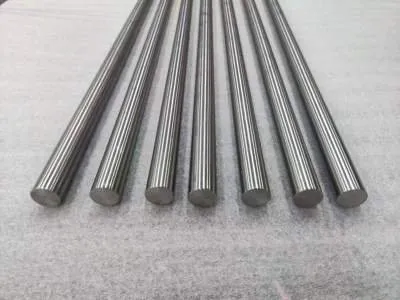
| Pure titanium (CP-Ti, e.g., TA1/TA2) | Commercially pure titanium | Light, corrosion-proof, gentle flexibility — the classic frame grade |
| β-titanium | Springy titanium alloy | The “memory-like” bounce many buyers love; this elasticity is β-titanium, not the NiTi shape-memory alloy |
| Ti-6Al-4V (e.g., TC4) | High-strength aerospace grade | Stiffer and stronger; used where rigidity matters |
| “Titanium-coated” | Base metal with a titanium layer | Not solid titanium — strength, lightness and allergy benefits do not fully transfer |
Consequently, “titanium” on the temple piece is a claim; the grade and construction are the facts.
The Six Real Benefits
| Benefit | The Accurate Version |
|---|---|
| Strength | Titanium resists bending and breaking — ideal for active wear |
| Lightweight | About 4.5 g/cm³ versus ~7.8 g/cm³ for steel; less nose and ear load, less headache after long wear |
| Corrosion resistance | No tarnish or rust from moisture, sweat or skin chemistry |
| Hypoallergenic | A genuine advantage for sensitive skin — especially versus nickel-bearing alloys |
| Flexibility | Frames adjust to facial shape and recover from impact instead of snapping |
| Aesthetics | Anodized colors and matte or polished finishes widen the design range |
One caveat on plating: if the finish layer contains nickel, the hypoallergenic promise weakens — check the coating chemistry if your skin reacts.
Manufacturing and Finish Notes
- Anodizing produces the colored finishes — the color is an oxide film, not paint.
- Laser welding and precision machining join the thin sections without softening them.
- Spring hinges are often β-titanium or stainless components; they are part of the “flex” story and of the durability.
The Honest Recycling Story
Titanium is highly recyclable at industrial scale — aerospace and mill scrap loops recover it well. However, the consumer eyewear recycling chain is thin: a used frame usually has no practical take-back loop. Therefore, “eco-friendly” deserves a soft claim: titanium is inherently durable (long life = less replacement) and industrially recyclable, but the home-recycling story should not be oversold.
The Buying Checklist
- Confirm the grade — pure titanium, β-titanium or Ti-6Al-4V; ask, don’t assume.
- Check the hinge — a genuine flex/spring hinge is a durability feature, not decoration.
- Verify the coating — if plated, know the coating metal; “titanium-coated” ≠ titanium.
- Weigh the frame — lightness is the comfort argument; compare actual grams.
- Match your lifestyle — active wear wants the flex grades; rigidity-sensitive designs may prefer Ti-6Al-4V.
Maintenance
Titanium needs little care: wipe the lenses and frames, avoid harsh solvents on the anodized finish, and tighten the hinge screws occasionally. The frame will outlast the prescription.
FAQ
Q: What is a titanium glasses frame? A: A frame made from a titanium-based material — pure titanium, β-titanium or Ti-6Al-4V — or, in some cases, merely titanium-coated.
Q: Why are titanium frames lightweight? A: Titanium is about 4.5 g/cm³ versus roughly 7.8 g/cm³ for steel, so less weight sits on the nose and ears.
Q: Is titanium hypoallergenic? A: Solid titanium is a strong choice for sensitive skin; a nickel-bearing plating can weaken that promise.
Q: What is β-titanium in eyewear? A: A springy titanium alloy whose elastic bounce is often described as “memory-like” — it is not the NiTi shape-memory alloy.
Q: Does “titanium-coated” equal titanium? A: No — it is a base metal with a titanium layer; strength, lightness and allergy benefits do not fully transfer.
Q: Are titanium frames recyclable? A: Industrially, titanium recycles well; consumer eyewear has little take-back infrastructure, so durability is the stronger environmental argument.
Need certified titanium grades for eyewear, spring hardware or medical-adjacent parts? Contact Dura Alloy at nicholas.zhu1212@gmail.com for TA2, TC4, Ti-6Al-4V and TA18 — with mill certificates and heat traceability on request.