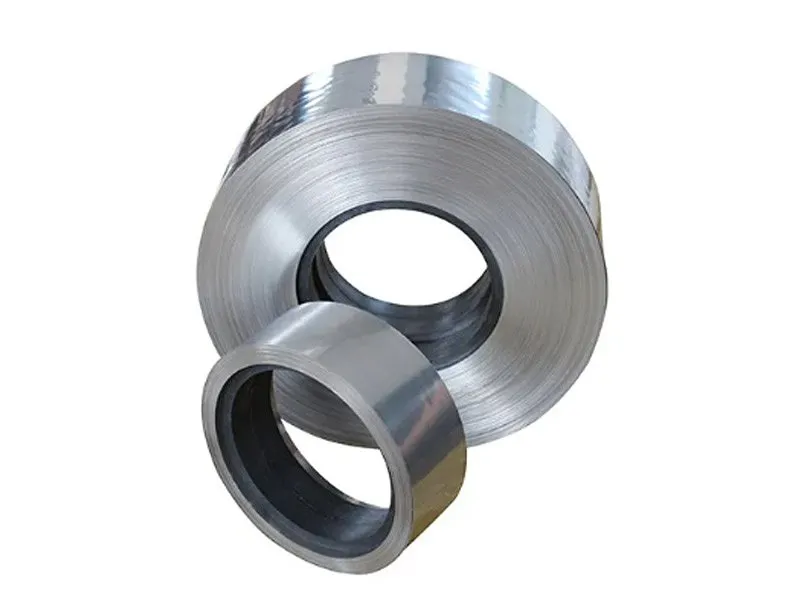
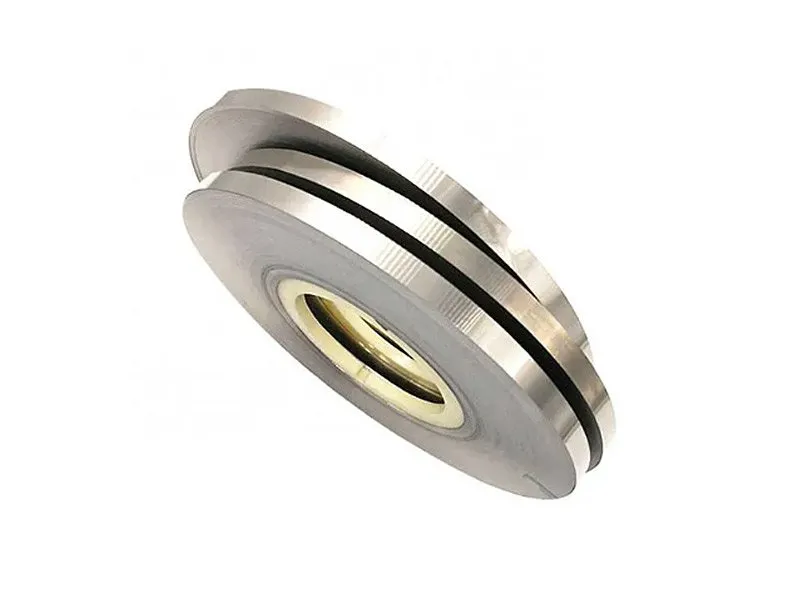
Q: What is Inconel Alloy? +
A: Inconel Alloy is a trademarked nickel-chromium superalloy series strengthened with molybdenum, niobium, iron and aluminum, developed to withstand extreme heat, oxidation and multi-type corrosion. Core mainstream grades cover Inconel 600, 625, 718 and X-750 with adjusted alloy ratios for differentiated working demands. Its nickel-rich matrix avoids phase transformation under drastic temperature swings from cryogenic to nearly 1000°C. It retains stable creep, tensile and fatigue strength under long-term thermal loads, acting as an irreplaceable structural material for high-temperature and corrosive industrial core equipment that stainless steel and ordinary alloys cannot support.
Q: How is the corrosion resistance of Inconel Alloy reflected in practical harsh environments? +
A: The chromium-oxide passive film on Inconel Alloy blocks oxidation at ultra-high temperatures and defends against atmospheric, alkaline and mild acid corrosion. Grades with high molybdenum and niobium such as 625 effectively resist chloride-induced pitting and crevice corrosion in seawater and brine pipelines. It withstands sulfur-containing flue gas hot corrosion from power plant waste incineration. However, Inconel cannot endure concentrated hydrofluoric acid without protection, limiting its use in ultra-severe pure reducing acid chemical reaction equipment.
Q: What challenges exist during machining and forming Inconel Alloy? +
A: Inconel Alloy features low thermal conductivity, which concentrates cutting heat on workpiece surfaces and accelerates tool wear severely. It generates obvious work hardening during cold rolling, stamping and turning, requiring specialized high-hardness cutting tools and sufficient cooling fluid. Welding demands strict inert gas shielding to prevent surface oxidation and embrittlement of weld seams. Large forgings need multi-stage high-temperature homogenization forging to eliminate internal segregation. All processing steps raise manufacturing costs far above carbon steel and regular stainless steel materials.
Q: What core advantages does Inconel Alloy have over stainless steel? +
A: Conventional stainless steel suffers rapid strength decline, severe oxidation and stress corrosion cracking above 600°C, failing long-term high-temperature operation. Inconel Alloy’s high-nickel matrix maintains stable mechanical performance above 900°C and forms persistent anti-oxidation layers without rapid degradation. It resists mixed corrosive media including flue gas, chloride vapor and high-temperature acid steam that erode stainless steel quickly. It also shows no magnetic interference and retains ductility at cryogenic temperatures, covering wider temperature and corrosion ranges than all standard stainless steel grades.
Q: What drawbacks restrict the full-scale popularization of Inconel Alloy in general manufacturing? +
A: The biggest limitation is high raw material cost, caused by large proportions of scarce nickel, molybdenum and niobium rare metal resources, making its price dozens of times higher than ordinary stainless steel. Complex vacuum smelting, multi-stage heat treatment and difficult machining further lift production expenses. Its cold forming performance is poor, and thin complex parts need preheating before stamping. It also lacks resistance to strong fluoride media. These cost and processing barriers mean Inconel is only selected for high-end equipment with strict high-temperature and anti-corrosion requirements instead of common structural components.
Q: What key alloying elements define Inconel Alloy’s core performance? +
A: Chromium forms a compact protective oxide film on the surface to resist high-temperature oxidation and mild hot corrosion. Molybdenum improves resistance to pitting, crevice corrosion and strengthens creep resistance under sustained heat loads. Niobium precipitates nano-sized hardening phases after aging treatment, greatly boosting tensile strength for precipitation-hardened grades like 718 and X-750. Iron optimizes matrix ductility for cold forming, while aluminum enhances high-temperature anti-oxidation capacity. Precise proportional control of these elements avoids brittleness and ensures consistent performance for high-stress rotating and static components.
Q: What service temperature range can Inconel Alloy operate stably within? +
A: Solid-solution Inconel grades like 600 and 625 maintain stable structural performance for long-term continuous service up to 925°C, and can bear intermittent peak temperatures near 980°C without permanent strength loss. Precipitation-hardened Inconel 718 works reliably below 650°C for long cycles; prolonged exposure above this threshold triggers gamma prime precipitate coarsening and sharp creep strength reduction. At cryogenic temperatures close to absolute zero, all Inconel grades retain excellent impact toughness without cold brittleness, suitable for low-temperature aerospace and cryogenic equipment accessories.
Q: Which key industries heavily rely on Inconel Alloy products? +
A: Aerospace manufacturing is the largest consumption field, applying Inconel for jet engine combustion chambers, turbine disks, nozzles and high-temperature fasteners. Energy power sectors adopt it for industrial gas turbine hot-end components, nuclear reactor internal structures and waste incineration high-temperature pipelines. Chemical processing uses Inconel reactors and heat exchangers for hot acid and halogen-containing corrosive media. Offshore marine equipment, thermal processing furnaces and high-pressure oil & gas downhole fittings also depend on its integrated high-temperature and anti-corrosion properties.
Q: What are the most widely used Inconel grades and their core positioning? +
A: Inconel 600 is a solid-solution base grade with balanced oxidation and alkali corrosion resistance for general high-temperature static parts. Inconel 625 relies on molybdenum and niobium to deliver superior strength and chloride corrosion resistance for marine and chemical anti-corrosion hardware. Inconel 718 is precipitation-hardenable with outstanding creep strength, dominating aero-engine turbine disks and rotating hot-section parts. Inconel X-750 features excellent fatigue resistance for high-temperature springs and fasteners. Each grade matches unique heat treatment procedures to fit exclusive high-temperature service scenarios.
Q: What standard heat treatment workflows apply to different Inconel grades? +
A: Solid-solution grades such as Inconel 600 and 625 only require high-temperature solution annealing to homogenize the matrix and eliminate processing residual stress, without aging hardening. Precipitation-hardened grades like 718 and X-750 adopt two-stage treatment: high-temperature solution treatment followed by controlled low-temperature aging to precipitate strengthening gamma prime phases. Improper heating temperature, holding duration or cooling speed causes insufficient hardness, grain coarsening or brittle intergranular precipitates, directly reducing high-temperature creep life of finished critical load-bearing components.