Q: What is Monel Alloy? +
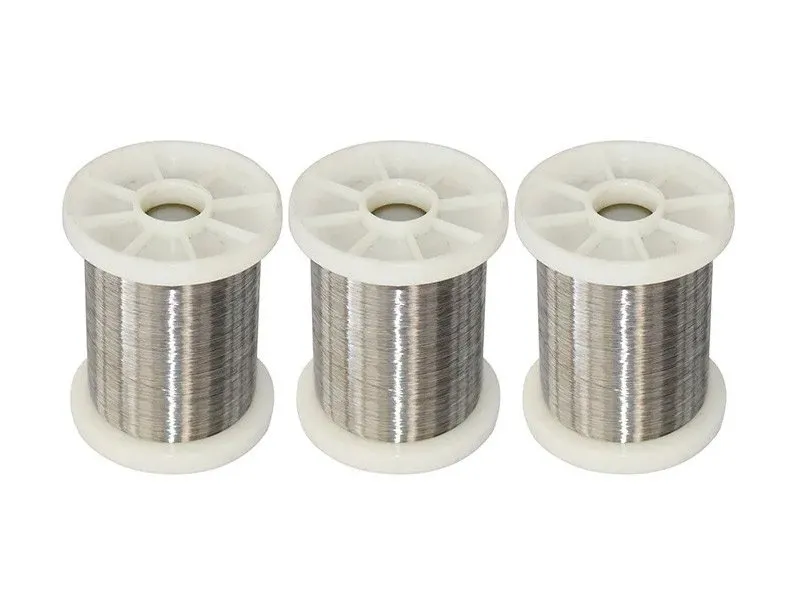
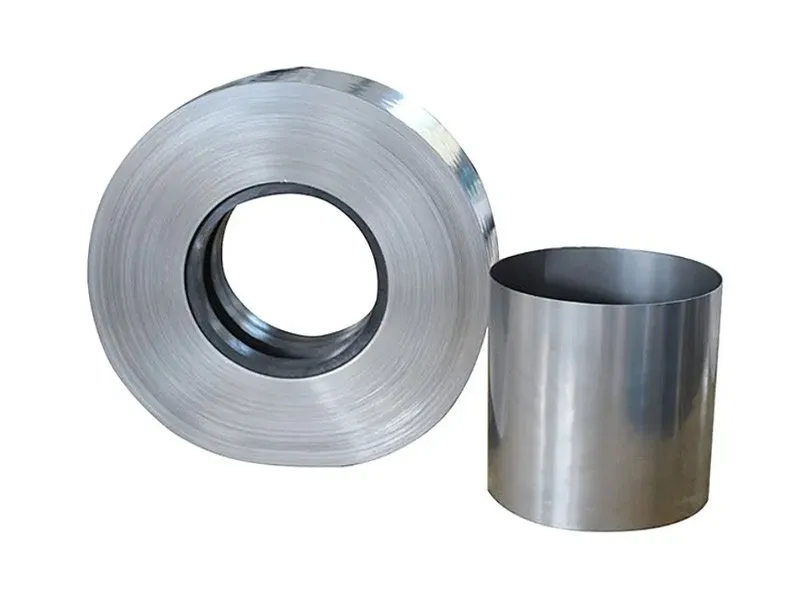
A: Monel Alloy is a solid-solution nickel-copper alloy series mainly composed of nickel and copper, with trace iron, manganese and silicon added for balanced ductility and stability. Its mainstream commercial grades include solid-solution Monel 400 and precipitation-hardened Monel K-500. It stands out from other nickel alloys with outstanding resistance to hydrofluoric acid, seawater and alkaline solutions, while keeping stable mechanical performance under medium temperature service conditions. It can be processed into plates, bars, seamless pipes and fasteners, acting as exclusive anti-corrosion structural material for marine and special chemical production facilities that stainless steel cannot support.
Q: What are the core alloying elements and their functions in Monel Alloy? +
A: Nickel takes the largest proportion and provides basic anti-corrosion ability against alkalis and fluoride media. Copper improves ductility, cold forming performance and resistance to seawater and brine corrosion, forming a stable homogeneous solid solution with nickel without brittle intermetallic phases. Trace iron enhances mechanical strength and wear resistance for valve and pump parts. Manganese eliminates harmful sulfur impurities and improves weldability, while silicon optimizes casting fluidity for complex cast Monel components. The fixed element ratio guarantees consistent corrosion resistance without local chemical degradation in corrosive working fluids.
Q: What are the processing characteristics and difficulties of Monel Alloy? +
A: Monel Alloy has excellent ductility before hardening treatment, supporting hot forging, cold rolling, bending and all conventional welding methods without hot cracking risks. Its main processing drawback is low thermal conductivity during machining, gathering cutting heat on the workpiece surface and accelerating tool wear. Monel K-500 after aging treatment generates obvious work hardening during cutting, demanding dedicated cutting tools and sufficient cooling liquid. Special parameter control is needed for finish machining to guarantee dimensional precision of marine and chemical precision parts.
Q: What core advantages does Monel Alloy have over stainless steel? +
A: Ordinary stainless steel suffers severe pitting and stress corrosion cracking when exposed to hydrofluoric acid, fluorides and concentrated brine, and fails quickly in HF production workshops. Monel Alloy maintains intact anti-corrosion performance in all fluoride-containing media and long-term seawater immersion without protective coating. It also retains great ductility at low temperatures and shows non-magnetic features, avoiding magnetic interference on marine detection equipment. Stainless steel cannot replace Monel Alloy for core parts of HF chemical equipment and deep-sea corrosion-resistant structures.
Q: What heat treatment processes are suitable for different Monel Alloy grades? +
A: Monel 400 only needs high-temperature solution annealing to eliminate processing residual stress and restore ductility, with no aging strengthening required. Monel K-500 requires two-step heat treatment: solution heating to dissolve aluminum and titanium strengthening elements, followed by air cooling and low-temperature aging to precipitate nano intermetallic particles for high hardness and strength. Improper aging temperature or holding time leads to insufficient hardness or overaging softening, reducing wear resistance of high-load moving parts like pump shafts and valve stems.
Q: What industries and components widely adopt Monel Alloy? +
A: Marine engineering is the biggest application field, used for seawater pipelines, ship condenser tubes, desalination equipment and underwater valve bodies. Chemical manufacturing relies heavily on Monel for hydrofluoric acid reactors, heat exchangers and storage tanks resistant to fluoride corrosion. Petroleum and natural gas industries select Monel downhole fittings and wellhead valves bearing brine and sulfur-containing media. It also makes marine fasteners, food processing alkaline equipment and precision instrument non-magnetic structural parts with long anti-corrosion service life.
Q: What is the outstanding corrosion characteristic of Monel Alloy that other nickel alloys lack? +
A: Monel Alloy’s most unique merit is its superior inertness to hydrofluoric acid and all fluoride solutions, which almost all stainless steel, Inconel and Hastelloy alloys cannot withstand. Its nickel-copper matrix forms a stable protective film when contacting HF, preventing continuous substrate dissolution. It also resists atmospheric salt fog, fresh water, seawater and concentrated alkaline liquids steadily. However, it is vulnerable to strong oxidizing acids such as nitric acid, so it cannot be used in mixed acid environments containing oxidizing corrosive components.
Q: What limitations restrict the wide popularization of Monel Alloy in general manufacturing? +
A: First, its high nickel and copper content pushes raw material costs far higher than ordinary stainless steel, raising overall component investment. Second, Monel Alloy cannot resist oxidizing acids like nitric acid, limiting its use in mixed acid chemical production lines. Third, aged Monel K-500 brings higher machining costs due to severe work hardening. These defects make Monel Alloy only chosen for special fluoride and marine anti-corrosion equipment, rather than ordinary structural parts without strict fluoride corrosion resistance requirements.
Q: What temperature range can Monel Alloy serve stably? +
A: Solid-solution Monel 400 can operate continuously under 540°C without obvious strength attenuation and oxidation failure. Precipitation-hardened Monel K-500 keeps stable mechanical properties for long-term service below 480°C; long-time exposure above this temperature causes aging precipitates to coarsen and lose strength. At cryogenic low temperatures, all Monel grades maintain outstanding impact toughness without cold brittleness, fitting low-temperature marine pipeline and liquefied medium transportation equipment, while ultra-high temperature environments over 600°C are not applicable.
Q: What are the differences between Monel 400 and Monel K-500? +
A: Monel 400 is a solid-solution alloy delivered in soft machinable state with balanced ductility and moderate strength, suitable for complex cold forming and welding components like pipelines and ship fittings. Monel K-500 adds aluminum and titanium to realize aging hardening treatment, obtaining much higher tensile strength and hardness after low-temperature aging. K-500 is applied to high-load marine fasteners, pump shafts and oil well valve cores requiring wear resistance. Both grades share identical excellent HF and seawater corrosion resistance, while their heat treatment procedures and mechanical strength levels are completely different.