Q: Are titanium alloys magnetic? What practical value does this characteristic bring? +
A: Most commercial titanium alloys are completely non-magnetic, without magnetic permeability interference even under strong external magnetic fields. This trait makes them essential materials for medical MRI equipment accessories, underwater detection sensors and electromagnetic communication devices. Unlike steel parts that cause magnetic field distortion, titanium alloy structures will not disrupt signal accuracy. They also avoid magnetic adsorption debris in precision electronic equipment, ensuring stable operation of high-precision electromagnetic instruments.
Q: What are the main classifications of titanium alloys? +
A: Titanium alloys are divided into three major types: alpha, alpha-beta and beta titanium alloys based on internal crystal structures. Alpha alloys own outstanding high-temperature oxidation resistance and weldability, fit for long-term medium-high temperature working environments. Alpha-beta alloys such as Ti-6Al-4V balance strength and processability as the most versatile grade for mass production. Beta alloys deliver ultra-high tensile strength after aging treatment, ideal for lightweight high-load parts requiring complex cold forming and precise machining processes.
Q: What are the mainstream surface treatment technologies for titanium alloys? +
A: Common surface treatments include anodizing to form thickened protective oxide films for improved wear and corrosion resistance, sandblasting to smooth casting surface defects, and thermal spraying to add wear-resistant coatings. Micro-arc oxidation further upgrades surface hardness for friction-intensive components. Chemical polishing achieves mirror finish for medical and decorative parts. Proper surface treatment optimizes surface performance while retaining the substrate’s core lightweight and high-strength advantages for different usage requirements.
Q: What are the primary alloying elements in titanium alloys and their functions? +
A: Aluminum mainly stabilizes the alpha phase and improves high-temperature tensile strength and oxidation resistance. Vanadium stabilizes the beta phase, boosting plasticity and forming performance of alpha-beta alloys. Molybdenum and chromium enhance corrosion resistance and high-temperature creep resistance. Trace silicon and tin refine internal grains to reduce brittleness. Each element adjusts phase composition and microstructure, allowing manufacturers to customize alloy formulas to match specific temperature, load and corrosive working conditions.
Q: What are titanium alloys? +
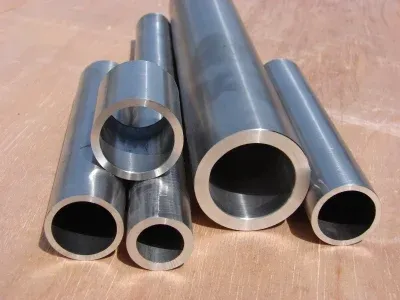
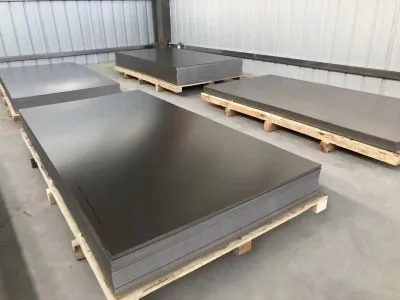
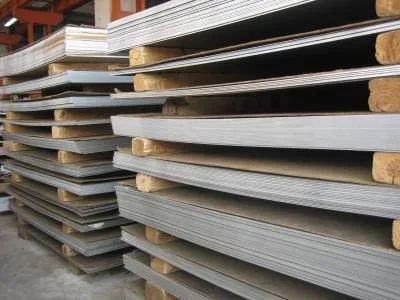
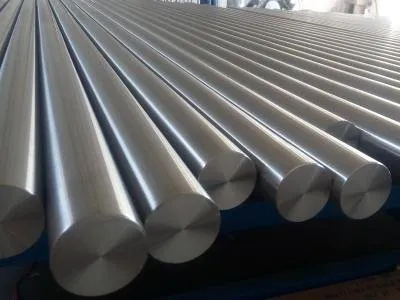
A: Titanium alloys are composite metallic materials based on titanium, mixed with alloying elements like aluminum, vanadium and molybdenum to enhance mechanical performance. They feature extremely high specific strength, meaning they are far lighter than steel while maintaining equivalent load-bearing capacity. A stable passive oxide film naturally forms on their surface, offering strong resistance to seawater, chloride solutions and weak acid corrosion. The material keeps stable performance under cryogenic conditions up to 550°C, making it a vital lightweight structural material widely adopted in high-end manufacturing fields with strict weight and anti-corrosion standards.
Q: What challenges exist during titanium alloy processing? +
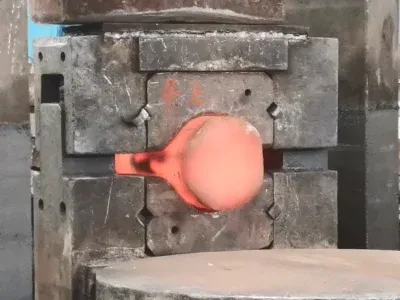
A: Titanium alloys have intense chemical activity at high cutting temperatures, easily bonding with cutting tools and causing surface workpiece damage. Low thermal conductivity leads to concentrated heat on processing areas, raising tool wear sharply. Cold forming requires multiple intermediate annealing treatments due to obvious work hardening. Welding must be completed under strict inert gas shielding to stop oxidation and embrittlement. These processing limits raise production costs and demand specialized equipment and technical parameters.
Q: What core advantages do titanium alloys have over traditional metal materials? +
A: The most prominent merit is ultra-low density paired with high strength, effectively reducing equipment weight without sacrificing structural safety. Its self-generating oxide layer provides superior corrosion resistance in marine and chemical environments without anti-rust coating. Titanium alloys also feature excellent biocompatibility and non-magnetic properties, plus stable mechanical performance under extreme cold. Unlike many metals, they rarely suffer stress corrosion cracking in halogen-containing media, greatly extending the service cycle of precision components.
Q: What core industries extensively apply titanium alloy components? +
A: Aerospace is the largest application market, using titanium alloys for aircraft fuselage frames, landing gear and aero-engine compressor blades. The medical sector produces bone implants, dental fixtures and surgical instruments relying on its biocompatibility. Marine engineering uses it for seawater pipelines and desalination equipment. Automotive lightweight parts, chemical anti-corrosion reactors and sports high-end equipment such as bicycle frames and golf clubs also depend on customized titanium alloy products.
Q: What is the maximum long-term service temperature of common titanium alloys? +
A: Standard alpha-beta titanium alloys like Ti-6Al-4V can work stably below 400°C for long periods; prolonged service above this temperature will trigger surface oxidation and internal microstructure degradation. High-temperature alpha titanium alloys optimized with silicon and tin additives raise the sustainable working temperature to roughly 550°C. Once exceeding the threshold, strength declines rapidly, creep deformation accelerates, and continuous oxidation will gradually destroy component structural integrity.
Q: Why do medical implants prefer titanium alloys? +
A: Titanium alloys possess excellent biological inertness without releasing toxic ions inside human tissues, effectively avoiding rejection reactions. Their elastic modulus is close to human bone, reducing stress shielding that weakens surrounding bone tissue long-term. The surface oxide film prevents corrosion from body fluid and blood. They support precise machining and laser welding for complex implant shapes, and can be surface treated to improve cell adhesion, which guarantees stable and safe long-term implantation inside the human body.