Q: How to identify qualified Hastelloy alloy raw materials before bulk purchase? +
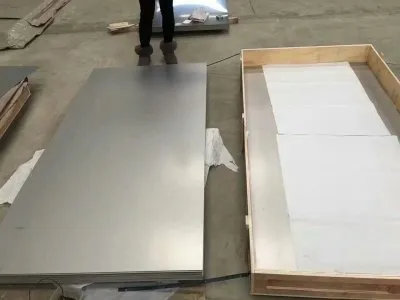
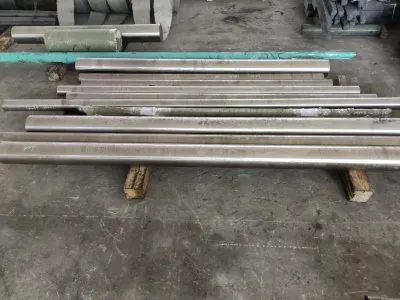
A: Buyers need to verify complete factory test certificates covering precise chemical composition, room and high-temperature mechanical properties, intergranular corrosion test results and grain structure inspection data. Qualified products have uniform element distribution without internal segregation, pores or cracks. Spot chemical analysis and corrosion immersion tests can be conducted on samples to check anti-pitting performance. Unqualified low-cost substitutes with insufficient molybdenum or chromium will face rapid corrosion failure after short-term operation in harsh media.
Q: What are Hastelloy alloys? +
A: Hastelloy alloys are premium nickel-molybdenum superalloy series famous for exceptional resistance to harsh chemical corrosion and high-temperature oxidation. Main grades cover C276, C22, B3, X and G30, with balanced additions of chromium, tungsten and iron. Unlike ordinary stainless steel, they stay intact in mixed acids, chlorine-containing media and oxidizing-reducing alternating environments. They maintain stable tensile strength and creep resistance from ultra-low temperature up to over 1000°C, serving as irreplaceable structural materials for severe corrosive industrial working conditions.
Q: What are the latest development directions of modern Hastelloy alloy technology? +
A: Current research focuses on low-cost optimized formulas with reduced molybdenum consumption while maintaining corrosion resistance, lowering overall material expenses. New powder metallurgy Hastelloy products achieve finer internal grains for stronger comprehensive performance. Composite surface coating technologies further upgrade anti-oxidation and wear resistance under extreme high temperature. Custom micro-alloying modification is also developed to adapt to emerging new energy chemical equipment and high-temperature waste disposal industrial demands.
Q: What are the most commonly used Hastelloy grades and their applicable scenarios? +
A: Hastelloy C276 is the most universal grade, widely used for flue gas desulfurization equipment, chemical reactors and chlorine treatment pipelines. C22 balances oxidizing and reducing corrosion for mixed acid working conditions. B3 excels in concentrated hydrochloric acid without oxidants. Hastelloy X features outstanding high-temperature oxidation resistance for aerospace heat components and industrial furnace parts. Each grade is customized to match specific corrosive media and temperature ranges to extend equipment service life.
Q: What core alloying elements determine Hastelloy’s anti-corrosion performance? +
A: Molybdenum is the core element resisting reducing acids like hydrochloric acid, while chromium forms dense passive films to defend oxidizing media such as nitric acid. Tungsten further strengthens local corrosion resistance against pitting and crevice corrosion, and trace iron improves processing performance. Different element ratios create differentiated grades: high-molybdenum B series targets pure reducing acid, and high-chromium C series adapts to mixed acid and flue gas desulfurization environments, meeting diverse harsh working demands.
Q: What main industries rely heavily on Hastelloy alloy products? +
A: The chemical and pharmaceutical industry is the largest application field, using Hastelloy for reaction kettles, heat exchangers and transfer pipelines exposed to mixed corrosive liquids. Power plants adopt it for flue gas desulfurization absorption towers and waste incineration high-temperature pipes. Offshore petroleum, marine desalination, aerospace and environmental waste treatment industries also widely select Hastelloy. All facilities facing strong acid, halogen gas and high-temperature corrosive media need this alloy to avoid leakage and premature failure.
Q: What processing methods are suitable for manufacturing Hastelloy alloy parts? +
A: Hastelloy X is a nickel-chromium-molybdenum-iron alloy optimized for high-temperature service instead of single anti-corrosion use. It retains stable creep strength, anti-oxidation and thermal fatigue resistance above 900°C, resisting continuous high-temperature oxidation and thermal cycle cracking. It is less prone to brittle failure under frequent cold and hot alternation compared with other Hastelloy grades. It is primarily applied in aircraft engine combustion chambers, industrial furnace rollers and heat treatment fixture components under long-term ultra-high heat.
Q: Why can’t 316L stainless steel replace Hastelloy alloys in harsh chemical environments? +
A: 316L stainless steel only works well in mild oxidizing corrosion environments and quickly suffers severe pitting, crevice corrosion and stress cracking once exposed to hydrochloric acid, wet chlorine or mixed acid. Its passive film breaks down easily under high temperature and halogen ions. Hastelloy contains high molybdenum and tungsten to stabilize surface protective layers, resisting both oxidizing and reducing corrosions simultaneously. It can run steadily for years in media that rapidly destroy stainless steel, cutting long-term equipment replacement costs.