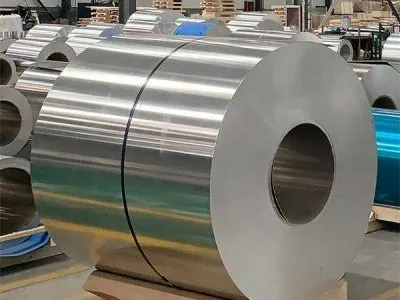
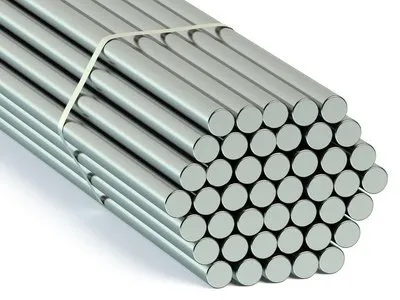
Q: What are precision alloys? +
A: Precision alloys are a specialized series of metal materials with strictly controlled chemical compositions and precisely calibrated physical properties, developed to meet ultra-high precision industrial demands. They mainly consist of iron, nickel, cobalt and chromium matrix systems, divided into soft magnetic, low-expansion, elastic and resistance types. Unlike regular structural steel, their magnetism, thermal expansion rate, elasticity and resistivity stay stable amid temperature changes, vibration and long continuous operation. Every production link adopts tight tolerance control to eliminate property deviation, serving as core functional parts for precision electronics, measuring instruments and aerospace control systems.
Q: How to conduct complete quality inspection for finished precision alloy products? +
A: Full quality inspection covers multiple mandatory testing items for each batch. Chemical spectral analysis verifies all alloy element content meets narrow standard ranges. Physical performance tests measure thermal expansion coefficient, magnetic permeability, resistivity or elastic modulus according to alloy type. Metallographic observation checks grain uniformity and internal defects. Dimensional inspection uses precision micrometre tools to verify tight tolerance standards. Vibration and thermal cycle aging tests simulate long service conditions to confirm no property drift, ensuring stable operation after assembly into precision core equipment.
Q: What core alloying elements adjust precision alloy’s key physical performance? +
A: Nickel is the most vital additive for most precision alloys, regulating thermal expansion, magnetic permeability and electrical resistance by adjusting its mass proportion. Cobalt improves high-temperature magnetic stability and elastic fatigue resistance. Chromium stabilizes resistivity and strengthens surface oxidation resistance. Molybdenum refines grain structure to reduce performance fluctuation under thermal cycles. Trace manganese and silicon purify the matrix to lower internal defects. Tiny changes of these elements will cause obvious drift of physical indicators, so component content is controlled within ultra-narrow ranges during smelting.
Q: What industries rely heavily on precision alloy components? +
A: The electronic and semiconductor industry is the largest application field, using precision alloys for transformer magnetic cores, lead frames and sensor chips. Measuring and testing instruments adopt them for dial springs, gauge probes and thermal compensation parts. Aerospace and aviation deploy low-expansion alloy structural fittings and control circuit resistance wires. Medical testing devices, communication base station electromagnetic modules and optical precision equipment also widely apply precision alloys, where slight material property changes will directly cause measurement or signal failure.
Q: What is the biggest advantage of precision alloys over ordinary metal materials? +
A: Their core strength lies in ultra-stable physical properties under complex working conditions. Ordinary steel and common alloys have obvious fluctuation in size, magnetism or resistance when temperature rises or falls, which disrupts precision equipment operation. Precision alloys are formula-designed to offset such changes through internal alloy phase matching. They also support ultra-thin strip, micro-wire and tiny part forming with ultra-tight dimensional tolerances, guaranteeing long-term measurement accuracy and signal stability without regular calibration maintenance for high-end precision devices.
Q: What limitations restrict the wider application of precision alloys? +
A: Precision alloys have obvious drawbacks limiting universal use. Vacuum smelting, repeated precision rolling and dedicated heat treatment push up raw material and processing costs far above regular steel and stainless steel. Their narrow functional working temperature range makes them ineffective in ultra-high temperature or strong corrosive environments. Complex forming processes with heavy work hardening require special moulds and cutting tools. These cost and environmental adaptability barriers mean they are only used in high-value equipment demanding strict precision rather than ordinary structural parts.
Q: What main categories does precision alloy include? +
A: Precision alloys fall into four core branches classified by functional characteristics. Soft magnetic alloys feature high permeability and low coercivity for electromagnetic conversion components. Low-expansion alloys maintain nearly unchanged size with temperature shifts to avoid assembly deformation. Elastic precision alloys own stable modulus and fatigue resistance for tiny sensing springs. Resistance alloys keep consistent resistivity under temperature variation for precision circuit resistors. Each type has customized element ratios and processing standards to match exclusive high-precision working scenarios without cross substitution in critical equipment.
Q: What performance standards must soft magnetic precision alloys meet? +
A: Soft magnetic precision alloys need high initial permeability, maximum magnetic permeability and extremely low coercive force to realize efficient electromagnetic energy conversion with minimal energy loss. Their magnetic properties must remain consistent after thousands of temperature cycles and long-term vibration. Internal non-metallic inclusions and grain segregation are strictly limited to prevent magnetic hysteresis loss increase. These alloys are made into thin magnetic cores for relays, transformers and current sensors; unqualified batches will cause signal distortion, high power consumption and shortened service life of electronic control equipment.
Q: What strict production processes are required for manufacturing qualified precision alloys? +
A:
Precision alloy production starts with vacuum smelting to strictly lock chemical element content and remove trace impurities that damage physical stability. Multi-pass cold rolling and intermediate annealing produce ultra-thin strips and micro wires with uniform grain distribution. Precision cold drawing, stamping and laser cutting shape miniature components with micron-level dimensional tolerance. Final precise heat treatment optimizes internal microstructure to fix target magnetism, expansion coefficient or resistivity. Every batch undergoes full physical performance testing to eliminate unqualified semi-finished products before delivery.
Q: Why do precision instruments choose low-expansion precision alloys for core assemblies? +
A: Ordinary metals expand or shrink noticeably with temperature variation, leading to assembly gaps, lens offset and measurement data errors in precision instruments. Low-expansion precision alloys are optimized with nickel-iron matrix formulas to achieve an extremely low thermal expansion coefficient within common operating temperature ranges. Their component sizes barely change in cold storage, high-temperature workshops or outdoor fluctuating environments. They avoid structural deformation of optical lenses, measuring gauges and aviation precision fixtures, ensuring constant equipment precision all year round without repeated calibration.