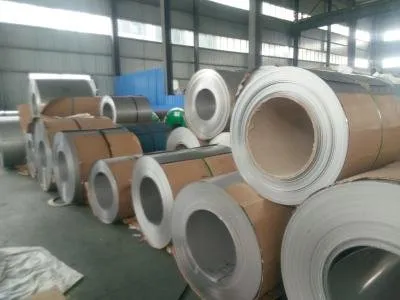
What is High Temperature Alloy: An Overview
A high-temperature alloy is a metal engineered to keep its strength, shape and surface at temperatures where ordinary steel would soften, scale or creep. Consequently, it is the material behind every jet engine, gas turbine and refinery furnace. This overview starts from zero: what these alloys are made of, how they resist heat, and how to pick your first one.
The Three Families
| Family | Base | Temperature Ceiling (Metal Temp) | Typical Role |
|---|---|---|---|
| Nickel-based | Ni + Cr + Co/Mo/W/Al/Ti | ~700–1100°C | The workhorse: blades, discs, combustion hardware |
| Cobalt-based | Co + Cr + W/Ni | High, with hot-corrosion edge | Vanes and hot-corrosion environments |
| Iron / Fe-Ni-based | Fe + Ni + Cr | ~650–700°C | Economical entry grades |
How They Beat the Heat
| Property | How It Works |
|---|---|
| Heat resistance | The alloy keeps strength at temperature through solid-solution hardening, γ′ precipitation and stable carbides |
| Strength | Yield strength is the stress where plastic deformation begins — high-temperature alloys hold a useful yield far above the steel ceiling |
| Oxidation resistance | Chromium and aluminum form protective oxide scales (Cr₂O₃, Al₂O₃) that slow further attack |
The Temperature Discipline Box
“Withstands up to 1,200°C” is marketing shorthand. The honest reading: gas-path temperatures in a turbine can exceed 1,200°C, but metal temperatures are lower — the best nickel grades sustain service toward 1000–1100°C as metal temperature, and that is where selection happens. Quote capability as metal temperature, and the alloy choice becomes clear.
The Temperature Ladder (First-Pick Guide)
| Need | Start With |
|---|---|
| ~650°C and budget-driven | Fe-Ni grades |
| Hot corrosion / sulfidation duty | Cobalt-based grades |
| Up to ~1000–1100°C, strength-critical | Nickel-based, γ′ strengthened |
| Absolute top capability | DS / single crystal and coated systems |
Applications
- Aerospace — aircraft engines, turbines, heat exchangers.
- Power generation — gas turbines, boiler hardware, heat exchangers.
- Petrochemical — reactors, valves, piping in high-temperature corrosive service.
How They Are Made
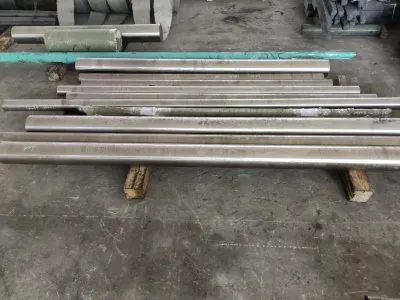
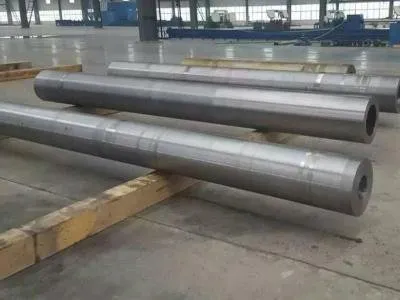
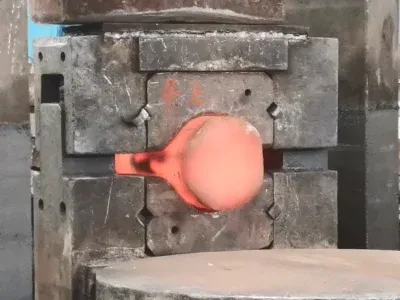
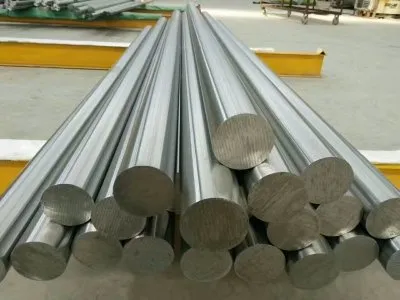
Most high-temperature hardware starts as melting and casting (blades, complex shapes), is then forged where rotor strength matters, and can be refined by powder metallurgy and heat treatment — or, increasingly, built by additive routes. The route follows the duty, not the fashion.
FAQ
Q: What is a high-temperature alloy? A: A metal engineered to keep strength, shape and surface at temperatures where ordinary steels soften or scale.
Q: What are the three families? A: Nickel-based (the workhorse, ~700–1100°C), cobalt-based (hot-corrosion edge) and iron/Fe-Ni-based (~650–700°C).
Q: What gives superalloys their strength at temperature? A: Solid-solution hardening, γ′ precipitation (Ni₃(Al,Ti)) and stable carbides.
Q: Why does “1,200°C” mislead? A: That is gas-path temperature; metal temperature is lower — the best grades sustain service toward 1000–1100°C.
Q: What is oxidation resistance? A: Chromium and aluminum form protective oxide scales (Cr₂O₃, Al₂O₃) that slow further attack at temperature.
Q: How are high-temperature alloys made? A: Melting and casting, forging, powder metallurgy, heat treatment — and increasingly additive manufacturing, each chosen by duty.
Need help selecting your first high-temperature grade? Contact Dura Alloy at nicholas.zhu1212@gmail.com for 601 Sheet (Inconel), Monel K-500, 4J32 Super Invar and 1J50 Soft Magnetic Alloy — with mill certificates and heat traceability on request.