Titanium Alloy Biological Coating: Properties and Applications
A titanium biological coating is not one product — it is four function families, each solving a different clinical problem: getting bone to attach, surviving articulation, resisting bacteria, and delivering drugs. This guide maps the four families, routes them to processes, and states honestly what each coating does — and does not do.
The Four-Function Matrix
| Function | Coating Types | Mechanism | Typical Use |
|---|---|---|---|
| Osseointegration | Hydroxyapatite (HA), plasma-sprayed Ti, porous Ti | Bone ongrowth / ingrowth into the surface | Hip stems, dental implants |
| Wear resistance | TiN, TaN, DLC | Hard bearing surface for articulating contact | Joint replacement bearing surfaces |
| Antibacterial | Silver / zinc-doped layers | Contact-killing or release chemistry | Infection-risk hardware |
| Drug eluting | Anodized TiO₂ nanotube layers | Local release of therapeutic agents | Tailored healing surfaces |
The Process Route Card
| Process | What It Builds | Notes |
|---|---|---|
| Plasma spraying | HA and porous Ti layers | The workhorse for osseointegration coatings |
| CVD / PVD | Dense TiN, TaN, DLC wear films | Precision thickness, dense structure |
| Anodization | TiO₂ nanotube / oxide layers | Drug-eluting and bioactive surfaces |
| Surface preparation | Clean, active substrate | Adhesion lives or dies here — the same discipline as electroplating |
The Application Map
| Field | Coating Job | Honest Claim |
|---|---|---|
| Orthopedics | Osseointegration + bearing wear | Coating promotes bone fixation; articulation wear is cut by bearing-surface films — “reduced friction with bone” is the wrong mechanism |
| Dental | Osseointegration, infection control | Rough surfaces aid fixation but can harbor bacteria — antibacterial duty comes from doped coatings, not from roughness alone |
| Cardiovascular | Hemocompatibility, functional surfaces | Surface chemistry tuned for the device duty |
| Custom | Bioactive molecule loading | Growth-factor and drug loading stimulate bone-cell response |
The Substrate Discipline
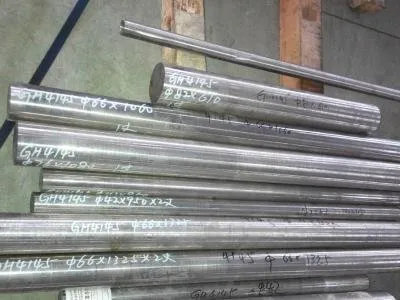
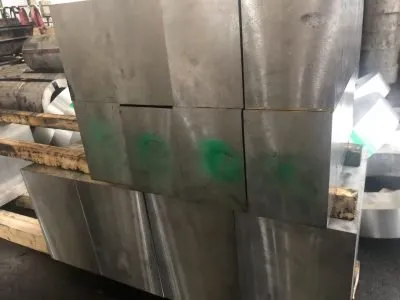
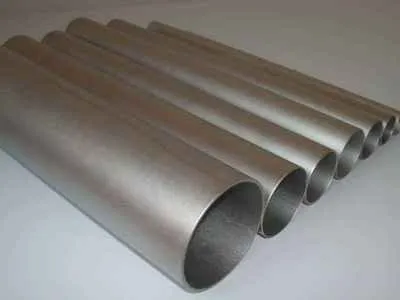
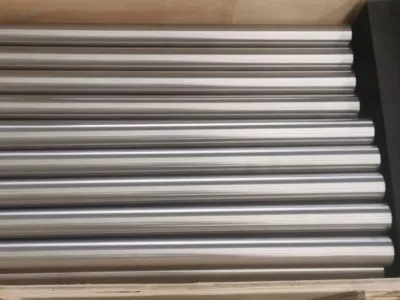
Implant-grade titanium (per ASTM F67 / F136 type specifications) is the foundation; coating adhesion depends on substrate preparation and cleanliness. A coating is only as good as the interface it bonds to — which is why process control and certification matter as much as the coating chemistry.
The Honest Limits Box
- “Mimics natural tissue” — soften to “promotes tissue integration”; a coating facilitates, it does not imitate.
- “Reduces friction between implant and bone” — mislabeled: the mechanism is osseointegration and bone ingrowth; friction reduction belongs to articulating wear films.
- “Less bacterial adhesion” — not universal: rough and porous surfaces can harbor bacteria; antibacterial protection is engineered, not incidental.
FAQ
Q: What does a titanium biological coating do? A: It adds a function the bare alloy lacks — osseointegration, wear resistance, antibacterial action or drug delivery.
Q: How do coatings promote bone fixation? A: HA and porous Ti layers support bone ongrowth and ingrowth — osseointegration, not friction reduction.
Q: Which coating protects articulating surfaces? A: Hard wear films such as TiN, TaN and DLC on bearing surfaces.
Q: Do rough implant surfaces fight bacteria? A: Not by themselves — roughness can harbor bacteria; antibacterial duty needs doped coatings.
Q: How are biological coatings applied? A: Plasma spraying for HA/porous layers, CVD/PVD for dense wear films, anodization for nanotube and drug-eluting surfaces.
Q: Why does substrate preparation matter? A: Coating adhesion depends on the interface — cleanliness and activation decide whether the coating survives.
Need implant-grade titanium and certified special alloys for coating programs? Contact Dura Alloy at nicholas.zhu1212@gmail.com for Ti-6Al-4V, TC4, TA2 and TA18 — with mill certificates and heat traceability on request.