How Much Does High-Temperature Alloy Cost Per Ton?
There is no single price for “high-temperature alloy” — the spread between the cheapest heat-resistant grade and the most expensive single-crystal superalloy is wider than between a compact car and a yacht. What buyers need is the cost structure: what actually makes the per-ton price, in layers, and how to control it. This guide breaks the price down by cost layer — raw materials, melting and processing, form factor, certification, and market/geopolitical factors — with practical levers at every level.
Cost Layer 1: Raw Materials — Where the Price Is Born
Raw material dominates the cost of every superalloy, typically 40–70% of the final price for nickel-based grades. The composition is the price:
- Nickel — the base element; price tracks LME nickel and moves the whole family.
- Chromium, molybdenum, tungsten, cobalt — moderate-cost strengtheners and corrosion elements that add steadily to the melt bill.
- Tantalum, niobium, hafnium — significant cost adders used for strength and boundary control.
- Rhenium — the extreme case: present in only small percentages in advanced single-crystal aero grades, yet its scarcity makes it the single largest cost driver in the entire superalloy family.
Grade logic: a simple Ni-Cr heat-resistant grade is dominated by nickel alone; a Hastelloy C-276 or C-22 bill includes heavy chromium, molybdenum and tungsten additions; Hastelloy B-3 carries a very high molybdenum load; and Hastelloy G-30 adds substantial cobalt and chromium. Every element on the certificate is money.
Cost Layer 2: Melting and Processing Complexity
- Vacuum induction melting (VIM) is mandatory for clean, low-inclusion superalloy — conventional air melting degrades the chemistry and defeats the material’s purpose.
- Secondary refining (ESR, VAR) and controlled-atmosphere heat treatment add another cost tier, applied where inclusion control and homogeneity justify it.
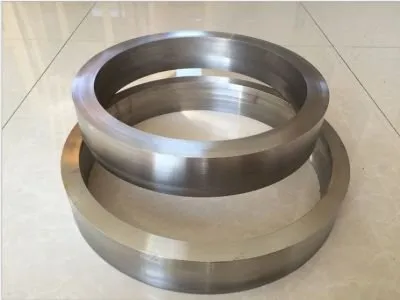
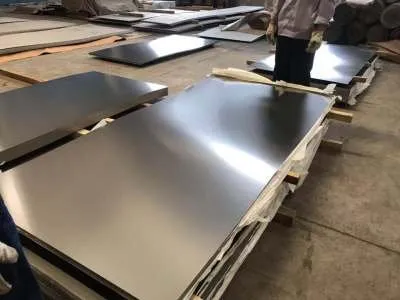
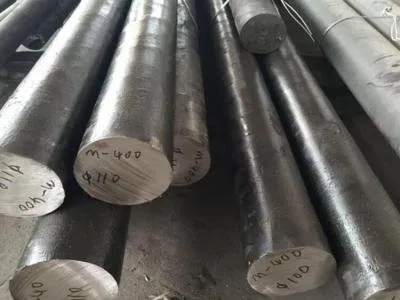
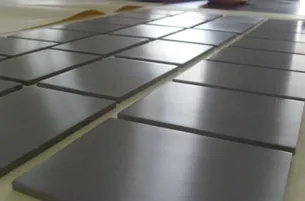
- Working route matters: forged bar is more expensive per ton than as-cast billet; plate costs more than sheet per unit weight; wire and precision forms carry the highest value-add.
- Yield is the quiet multiplier: casting, forging and machining scrap eats into every quoted ton.
Cost Layer 3: Form Factor and Lot Economics
| Form | Typical Cost Position (per ton) | Why |
|---|---|---|
| As-cast billet / ingot | Base | Minimal working |
| Hot-rolled bar / plate | Mid | Working + heat treatment |
| Cold-rolled sheet / strip | Higher | Additional rolling passes, surface control |
| Wire / precision forms | Highest | Drawing, tight tolerances, small lots |
| Forgings (blade/disc-class) | Premium | Dies, multistage working, testing per part |
Smaller lots pay proportionally more: fixed melting and testing costs are spread over fewer tons.
Cost Layer 4: Certification and Quality Assurance
Aerospace, nuclear and pressure-vessel service demand full traceability — chemistry per heat, mechanical certificates, NDT, and often AMS/ASME or customer-specific specs. Certification adds a measurable per-ton premium and, more importantly, qualification cost: approved suppliers, audited processes and documented history raise the floor price of credible superalloy supply. Cheap, uncertified material is rarely cheaper at all once lifecycle risk is counted.
Cost Layer 5: Demand, Geography and Regulation
- Demand premiums — aerospace and defense buyers pay for reliability and supply security; tight markets and lead times push spot prices up.
- Geographic and logistics factors — raw-material access, energy prices, and shipping distance shift regional price levels.
- Environmental compliance — energy-intensive melting and stricter emissions rules add cost that is increasingly unavoidable.
The Price Is a Ratio, Not a Number
Because metal prices move with LME nickel, cobalt, molybdenum and rhenium, absolute per-ton figures go stale quickly. The stable truths:
- Heat-resistant stainless-class alloys sit at a low multiple of standard stainless.
- Common nickel superalloys cost several times that.
- Refractory-heavy grades (C-276-class) and rhenium-bearing aero grades sit at the top, with multiples that vary with scarce-element spot prices.
Buying rule: compare within the same cost layer — get quotes in bar vs plate vs sheet, on the same spec and certification, with the same heat-traceability requirement — otherwise the per-ton comparison misleads.
How Buyers Control Cost Per Ton
- Match the grade to the environment — a 253MA-class silicon-nitride-stabilized stainless covers many 900 °C oxidation jobs at a fraction of nickel-alloy cost.
- Specify real requirements — remove aerospace-grade certification where industrial service is the actual use.
- Consolidate lots — larger heats amortize melting and testing costs.
- Order the right form — buy the form closest to the finished shape to minimize scrap.
- Watch the elements — lock or quote against nickel/molybdenum market levels for long programs.
FAQ
Q: Why is high-temperature alloy so expensive per ton? A: Raw material dominates (40–70% for nickel grades) plus vacuum melting, complex working, certification and small-lot economics; scarce elements like rhenium drive the top tier.
Q: Which element most inflates superalloy cost? A: Rhenium — present in tiny percentages but the largest per-kilogram cost driver in advanced single-crystal aero alloys; molybdenum and cobalt-heavy grades also price high.
Q: Does form factor change the per-ton price? A: Significantly — cast billet is the base, bar/plate mid, sheet higher, wire and forgings the highest, because working passes, tolerances and testing add value.
Q: Why do aerospace-grade alloys cost more than industrial-grade? A: Certification, heat traceability, NDT and audited process qualification add a measurable premium — and buyers pay for reliability and supply security.
Q: How do nickel prices affect superalloy pricing? A: Directly and quickly — nickel is the base of most superalloys, so per-ton prices track LME nickel, with molybdenum, cobalt and rhenium adding their own swings.
Q: How can buyers lower cost per ton? A: Match grade to real environment, spec only necessary certification, consolidate lots, buy near-net forms to cut scrap, and quote against metal markets.
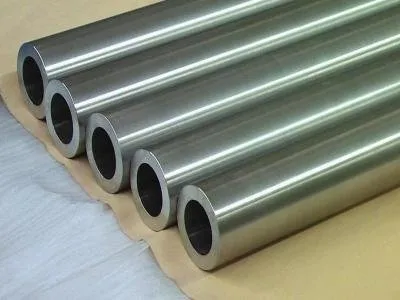
Ready to compare superalloy pricing for your program? Contact Dura Alloy for Hastelloy C-276, C-22, B-3 and G-30 in bar, plate, sheet and pipe with full certification — 📞 +86-18921275456 · WhatsApp 8618921275456 · Request a quote