Understanding Processing Fees for High-Temperature Alloys
A processing fee is not a single price — it is a waterfall of costs that flows from raw material to finished part, and each stage adds its own share. Consequently, the same alloy can cost very differently depending on form, temper, quantity, tolerance and certification. This guide walks the waterfall stage by stage, then gives the cost levers that actually move the total.
The Cost Waterfall — Where the Money Goes
| Stage | What Drives the Cost |
|---|---|
| Raw material | Nickel, cobalt, chromium and refractory element prices; alloy grade premium |
| Melting | Vacuum induction melting and VAR/ESR — energy, electrodes, refractory linings, capital and maintenance |
| Forming | Forging/rolling/extrusion — high-capacity presses, tight temperature control, energy |
| Heat treatment | Solution, aging, stress relief — thermal cycles, atmosphere control, cycle duration |
| Machining | Work hardening, poor thermal conductivity and high strength accelerate tool wear and slow cutting |
| Quality control | UT, radiography, penetrant; chemical, mechanical and metallurgical verification |
| Coatings / joining | TBC, diffusion and overlay coatings; controlled welding and brazing with consumables |
| Certification / logistics | Aerospace-grade documentation, traceability, testing per heat |
The Grade Cost Profiles
| Family | Cost Character |
|---|---|
| Nickel-based | Highest — complex chemistry, stringent melting and processing requirements |
| Cobalt-based | High raw-material cost; some applications process more straightforwardly |
| Iron-based / Fe-Ni | Lower processing cost; trades extreme-temperature capability and longevity |
The Levers That Actually Move the Total
- Buy-to-fly ratio — superalloys are expensive per kilogram, so material yield dominates cost. Machining a part from a large billet wastes paid-for metal; near-net-shape routes (precision casting, additive manufacturing) cut scrap directly.
- Tolerance specification — every extra-tight tolerance adds machining passes and inspection time; specify what the duty needs, not what looks impressive.
- Batch size — larger runs amortize setup, qualification and tooling; small custom orders pay for idle utilization.
- Temper and form — a different temper or product form can skip processing steps.
- Certification scope — aerospace-grade documentation and per-heat testing add real cost; match the certification to the service class.
- Energy and yield discipline — efficient melting campaigns and scrap recovery lower the per-part burden.
The “No Universal Price” Box
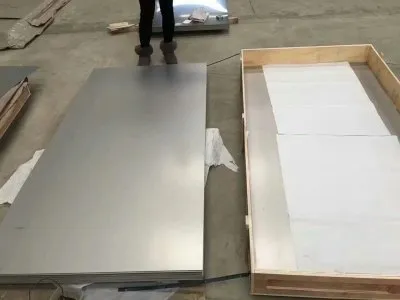
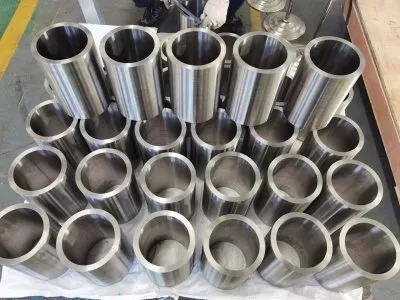
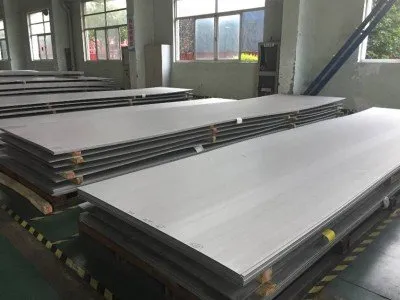
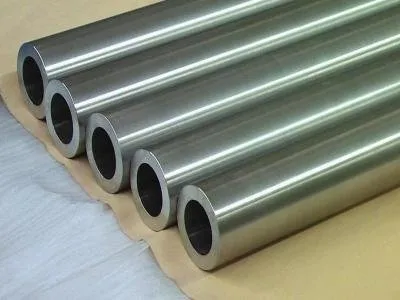
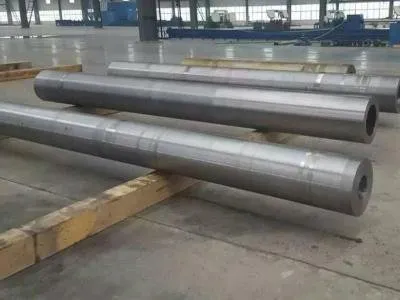
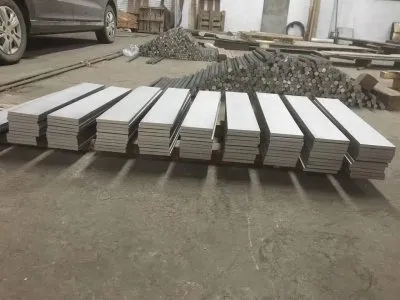
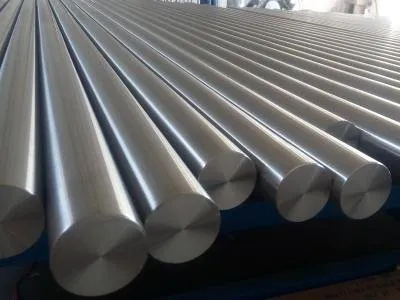
There is no one processing fee for “high-temperature alloys.” Fees vary by: grade and chemistry, product form (bar, plate, casting, forging), temper, quantity, dimensional tolerance, surface finish, certification level, region and market timing. Therefore, the correct way to budget is a specified quote: exact grade, state, size, quantity and acceptance criteria. Numbers quoted without those details are marketing, not pricing.
Market Factors That Push the Waterfall
Nickel and cobalt price volatility flows straight into raw-material cost. Supply-chain disruptions, trade policy and geopolitical pressure move availability and lead times. Demand from aerospace, power generation and chemical sectors sets capacity utilization — which sets the per-unit burden.
Environmental and Compliance Overhead
Emission controls, waste management and safety systems are now part of the fee. Compliance requirements can add process steps or equipment. These costs are rising and should be budgeted, not discovered.
The Outlook
Additive manufacturing is expensive today for these alloys. However, for complex geometries it can win on material waste and route simplification, not on per-kilogram price. Automation and advanced process control attack the labor and consistency share of the waterfall.
FAQ
Q: What is a processing fee for a high-temperature alloy? A: The accumulated cost of turning raw material into a finished part — melting, forming, heat treatment, machining, QC, coatings and certification.
Q: Why is machining superalloys expensive? A: They work-harden, conduct heat poorly and stay strong at temperature — so tools wear fast, cutting is slow and cycle times lengthen.
Q: What is buy-to-fly ratio? A: The ratio of purchased material weight to the weight in the final part; a high ratio means expensive scrap, so near-net-shape routes cut cost directly.
Q: Which alloy family costs most to process? A: Nickel-based superalloys — complex chemistry and stringent melting and processing requirements; Fe-Ni grades are cheaper but compromise capability.
Q: Is there a standard price for superalloy processing? A: No — fees vary by grade, form, temper, quantity, tolerance, certification and market timing; only a specified quote is meaningful.
Q: Does additive manufacturing cut superalloy cost? A: For complex geometries, it can reduce waste and simplify routes; per-kilogram it remains expensive today.
Need specified quotes for your alloy, form and quantity — with certified quality? Contact Dura Alloy at nicholas.zhu1212@gmail.com for Monel 400, 254SMO, Alloy 20 and N08367 — with mill certificates and heat traceability on request.