Nitriding Treatment of Titanium Alloys: Process, Benefits, and Applications
Titanium alloys feature high specific strength, low density and native biocompatibility, yet they suffer from an inherent weakness: poor tribological performance. Untreated titanium surfaces easily gall, seize and wear rapidly under sliding contact. Nitriding is a thermochemical surface modification technique that diffuses nitrogen atoms into the titanium matrix, forming hard titanium nitride (TiN, Ti₂N) compound layers and nitrogen-rich diffusion zones. This surface upgrade preserves the substrate’s bulk properties while solving friction and wear limitations for aerospace, medical, automotive and industrial hardware.
Three Main Nitriding Process Routes for Titanium Alloys
All nitriding workflows start with rigorous surface preparation: degreasing, oxide removal, fine blasting or polishing. Residual oil, fingerprints and surface TiO₂ film will block nitrogen diffusion and create uneven nitride layers.
- Plasma nitriding (ion nitriding) The most widely adopted industrial variant. Parts are loaded inside a vacuum chamber, nitrogen-containing working gas is introduced, and glow discharge plasma is generated at 450–700°C. Ion bombardment cleans and activates the surface, accelerating nitrogen diffusion. It delivers controllable layer thickness, low distortion and minimal substrate overaging, ideal for precision medical and aerospace parts.
- Gas nitriding Carried out at 700–900°C under flowing high-purity nitrogen or ammonia atmosphere. It offers low equipment cost for simple bulk parts. The downside is deeper thermal exposure; high temperature may degrade the mechanical properties of age-sensitive titanium substrates and induce grain coarsening.
- Laser nitriding Localized high-energy laser melting in nitrogen-rich atmosphere. It forms a thick, hard nitride composite zone only on selected contact surfaces without heating the whole component. Suitable for selective hardening of complex geometries, but limited by high processing cost and residual thermal stress risk.
Nitride layer thickness typically falls between 1–20 μm, controlled by temperature, holding time and gas partial pressure. Excessively thick compound layers become brittle and prone to chipping under impact or cyclic load.
Suitable Titanium Alloy Grades for Nitriding
- CP TA1: Commercially pure alpha titanium. Soft, ductile, excellent corrosion resistance. Nitriding creates a uniform golden TiN layer for chemical equipment, surgical tool handles and decorative corrosion-resistant hardware. It is easy to nitride with low cracking risk.
- Ti-6Al-4V ELI Grade23: Extra-low interstitial medical-grade α+β titanium alloy. The dominant substrate for orthopedic implants, dental abutments and bone fixation devices. Nitrided Grade23 retains biocompatibility while resisting fretting wear at modular implant junctions.
- TA15 Titanium: Near-alpha high-strength titanium alloy for aerospace structural parts. Nitriding improves fretting wear resistance of bolt holes, lugs and mating contact surfaces on airframe components.
- TC11 Titanium: Heat-resistant α+β titanium alloy for aero-engine compressor blades and discs operating up to 500°C. Plasma nitriding at moderate temperature avoids damaging its creep performance, solving blade root fretting wear issues.
Core Benefits of Titanium Alloy Nitriding
| Performance Item | Improvement Details | Practical Limitation |
|---|---|---|
| Surface Hardness & Wear Resistance | Hard TiN layer reaches 900–1100 HV, drastically reduces adhesive wear, galling and seizure | Thin nitride layer; cannot bear heavy abrasive impact loads |
| Friction Coefficient | Lower steady-state friction against steel and ceramic mating surfaces | No self-lubrication; performance drops without proper lubricant |
| Corrosion Resistance | Nitride layer blocks chloride and acidic media attack; improves pitting resistance | Not suitable for strong hydrofluoric acid environments |
| Fretting Fatigue Strength | Suppresses fretting crack initiation at contact interfaces | High-temperature gas nitriding may reduce bulk fatigue life if overheated |
| Biocompatibility | Stable, inert nitride surface without cytotoxic response | Not antibacterial by itself; silver doping is required for antimicrobial function |
A critical engineering note: nitriding is a surface-only treatment. It does not change the substrate’s tensile strength, density or bulk creep properties.
Industry Application Breakdown
Medical & Dental Devices
Nitrided Grade23 titanium is used for hip taper junctions, knee implant contact surfaces, dental implants, abutments and surgical cutting instruments. The nitride layer prevents metal debris release from fretting, lowering inflammation risk inside human tissue. It is preferred over PVD coating because the nitrogen diffusion zone bonds metallurgically to the substrate, with far lower peeling risk.
Aerospace Components
TA15 and TC11 parts receive plasma nitriding for compressor blade roots, blade dovetails, hinge lugs and fastener mating faces. Fretting wear is one of the top failure modes at these contact joints; nitriding extends overhaul cycles for turbine and airframe assemblies.
Automotive & Racing Hardware
Nitrided titanium connecting rods, valve retainers, turbo actuator parts and suspension spherical bearings benefit from reduced galling under dry or marginal lubrication. It is especially valuable for lightweight racing powertrain components.
Chemical & Marine Equipment
Nitrided TA1 pure titanium is selected for valve stems, pump shafts and mixing agitators that run against PTFE or ceramic seals. The nitride surface resists sliding wear while preserving titanium’s native corrosion resistance in brine and weak acid service.
Quality Inspection & Common Defects
Standard inspection suite after nitriding: microhardness profiling, layer thickness metallography, XRD phase identification, friction-wear bench test, salt spray corrosion test and fatigue verification. Typical defects to avoid:
- Surface blistering caused by contaminated substrate before treatment
- Brittle, crack-prone over-thick TiN compound layer
- Substrate softening and phase transformation from over-temperature gas nitriding
- Uneven colour and patchy nitride growth due to poor gas flow distribution
Development Trends
Current R&D focuses on low-temperature plasma nitriding, duplex treatments (shot peening + nitriding), and alloyed nitride layers with silver or niobium additions for medical antibacterial requirements. Combined nitriding + thermal oxidation processes are also being optimized for better wear-corrosion synergy.
FAQ
Q: What is the difference between plasma nitriding and gas nitriding for titanium? A: Plasma nitriding runs at lower temperature, produces less substrate damage and better uniformity for precision parts; gas nitriding is cheaper for simple, low-tolerance bulk components.
Q: Which titanium grade is the standard substrate for nitrided medical implants? A: Ti-6Al-4V ELI (Grade23) is the primary medical titanium alloy for nitrided orthopedic and dental components.
Q: Will nitriding make titanium implants antibacterial? A: Standard TiN nitriding is biologically inert but not antibacterial. Silver co-doped nitriding is required to add antimicrobial function.
Q: Does nitriding increase the bulk tensile strength of titanium alloy? A: No. Nitriding only modifies surface properties; substrate bulk mechanical performance remains unchanged.
Q: Why is TC11 nitrided at lower plasma temperature? A: TC11 is a high-temperature compressor titanium alloy; excessive heat will degrade its creep and fatigue properties.
Q: Can nitrided titanium replace hard chrome plating? A: In many wear and corrosion applications, yes; TiN nitriding is an eco-friendly alternative to hexavalent chromium plating.
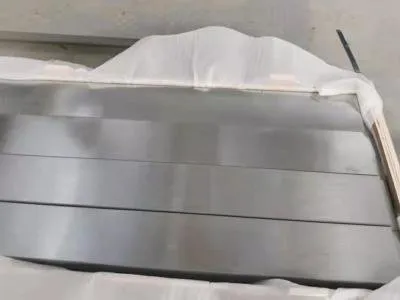
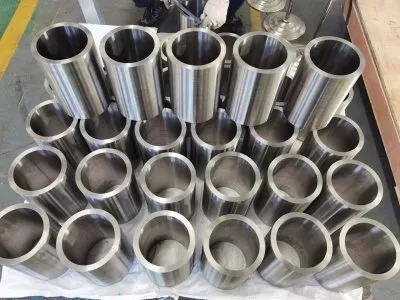
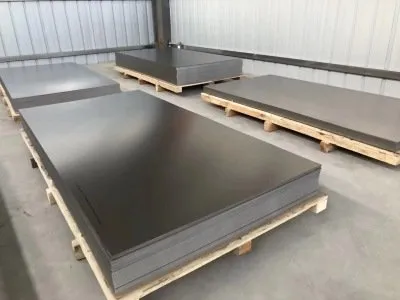
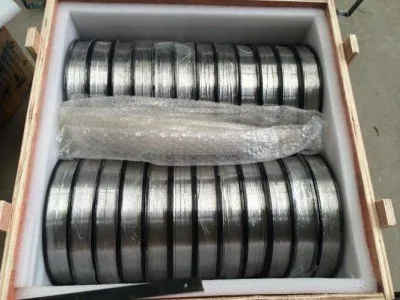
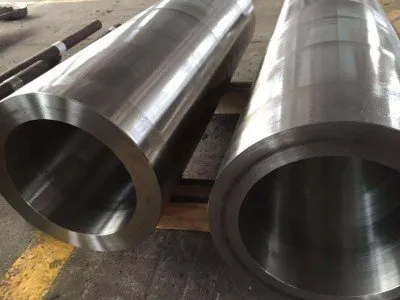
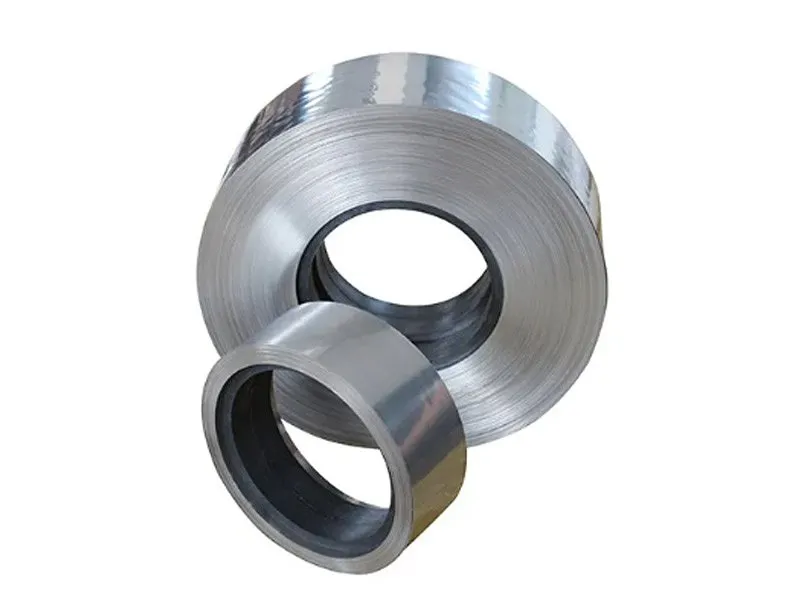
Ready to source titanium alloy substrates for nitriding processing? Contact Dura Alloy for CP TA1, Ti-6Al-4V ELI Grade23, TA15 Titanium and TC11 Titanium in bar, plate, forging and precision blank forms. nicholas.zhu1212@gmail.com · WhatsApp: 8618921275456 · Request a quote