In the realm of industrial materials, high-temperature alloys stand out as critical components due to their exceptional performance under extreme conditions. These materials are indispensable in sectors such as aerospace, power generation, and automotive manufacturing, where they are subjected to high temperatures, corrosive environments, and intense mechanical stress. The choice between imported and domestically produced high-temperature alloys is a decision that can significantly impact the efficiency, durability, and overall cost-effectiveness of a project. This analysis aims to provide a comprehensive comparison between these two types of alloys, focusing on their composition, mechanical properties, performance characteristics, and economic considerations. The composition of high-temperature alloys is a key determinant of their properties. Imported high-temperature alloys often incorporate advanced alloying elements such as nickel, chromium, and molybdenum, which enhance their ability to withstand high temperatures and corrosive environments. These alloys may also contain trace elements like tungsten and cobalt, which further improve their strength and thermal stability. On the other hand, domestically produced high-temperature alloys may have slightly different compositions, with varying concentrations of these critical elements. This can affect their performance characteristics, particularly in terms of creep resistance and oxidation resistance. Mechanical properties are another critical aspect when comparing imported and domestic high-temperature alloys. Importantly, imported alloys often exhibit superior strength and toughness at elevated temperatures, making them more suitable for demanding applications. Domestic alloys, while generally capable, may not match the performance of their imported counterparts in extreme conditions. Performance characteristics, including thermal conductivity, electrical resistance, and magnetic properties, also differ between the two types of alloys. Importantly, the thermal conductivity of imported high-temperature alloys is typically higher, which can be beneficial in applications where heat dissipation is a concern. Domestic alloys may have lower thermal conductivity but can still perform adequately in many applications. When it comes to economic considerations, the cost of imported high-temperature alloys is often higher due to factors such as raw material costs, manufacturing processes, and international trade tariffs. Domestic alloys, while potentially less expensive, may not offer the same level of performance, which could lead to higher maintenance costs or reduced operational efficiency. The availability of these alloys is another factor to consider. Importantly, imported high-temperature alloys may be more readily available in certain regions, while domestic alloys may be more accessible in others. This can impact the logistics and lead times associated with sourcing these materials. In terms of environmental impact, both types of alloys have similar considerations. Importantly, the production and disposal of high-temperature alloys can have significant environmental consequences, regardless of their origin. Therefore, it is crucial to consider sustainable practices in the manufacturing and disposal of these materials. In conclusion, the choice between imported and domestic high-temperature alloys depends on a variety of factors, including composition, mechanical properties, performance characteristics, economic considerations, and availability. Importantly, imported alloys often offer superior performance in extreme conditions but come at a higher cost, while domestic alloys may be more affordable but less capable in demanding applications. Ultimately, the decision should be based on the specific requirements of the project and the trade-offs between performance and cost. The continuous advancement of domestic high-temperature alloy technology suggests that in the future, the gap between imported and domestic materials may narrow, providing more options for industries seeking high-performance materials for their applications.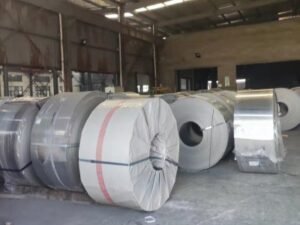


 English
  German
  French
  Portuguese
  Japanese
  Russian
  Italian
  Spanish
  Arabic
  Korean