High-temperature alloys represent a critical class of materials extensively utilized in demanding applications such as aerospace components, gas turbines, nuclear reactors, and chemical processing equipment. These alloys, including nickel-based, cobalt-based, and iron-based superalloys, possess exceptional mechanical properties at elevated temperatures, making them indispensable for extreme service conditions. However, their unique characteristics present significant challenges when it comes to welding processes. The successful welding of high-temperature alloys requires meticulous planning, precise execution, and thorough understanding of material behavior during thermal cycling. The primary challenges stem from the alloy’s composition, which often contains elements that form brittle phases, precipitates, or undergo microstructural transformations when exposed to welding thermal cycles. Additionally, these alloys typically exhibit high thermal conductivity and low thermal expansion coefficients, which influence residual stress formation and distortion patterns. Proper preparation of the base material forms the foundation of successful welding operations. Surface contamination must be rigorously eliminated through mechanical cleaning, chemical treatments, or both. Oxide layers, particularly on nickel-based superalloys, can significantly impact weld quality by introducing porosity or reducing joint strength. The cleaning process should extend to include removal of any heat-affected zone (HAZ) that may have been altered by previous thermal exposure. Selection of appropriate welding methods is crucial for high-temperature alloys. Gas Tungsten Arc Welding (GTAW) remains the preferred method for many critical applications due to its precise control over heat input and ability to produce high-quality welds with minimal contamination. However, processes like Laser Beam Welding (LBW) and Electron Beam Welding (EBW) offer advantages in terms of reduced heat input and deeper penetration. Shielded Metal Arc Welding (SMAW) and Gas Metal Arc Welding (GMAW) may be employed in less critical applications where weld quality requirements are less stringent. Heat input control represents one of the most critical parameters in welding high-temperature alloys. Excessive heat input can lead to problems such as grain coarsening, formation of deleterious phases, and increased susceptibility to hot cracking. Conversely, insufficient heat input may result in inadequate fusion, incomplete penetration, or increased residual stresses. The welding parameters, including current, voltage, travel speed, and arc length, must be carefully optimized to achieve the desired heat input while maintaining proper fusion and minimizing distortion. Post-weld heat treatment (PWHT) often becomes necessary for high-temperature alloy weldments to restore optimal mechanical properties and relieve residual stresses. Solution heat treatment followed by aging is a common practice for nickel-based superalloys, allowing for dissolution of harmful phases and precipitation of strengthening constituents. The temperature and duration of PWHT must be carefully controlled to avoid over-aging or under-aging, which could compromise the alloy’s high-temperature performance. 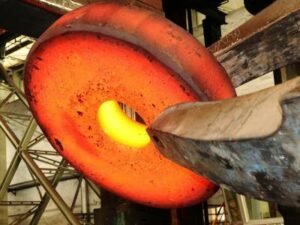 Quality assurance measures are essential throughout the welding process. Non-destructive examination methods, including radiographic, ultrasonic, and penetrant testing, should be employed to detect any defects that may compromise weld integrity. Additionally, mechanical testing of welded specimens can verify that the joint possesses adequate strength, ductility, and creep resistance for the intended application. Metallurgical examination through microscopy techniques helps confirm that the microstructure meets the required specifications. The welding of high-temperature alloys demands a comprehensive approach that addresses material preparation, process selection, heat input control, post-weld treatments, and quality assurance. Each step in the process must be carefully executed to ensure the welded joint will perform reliably under extreme service conditions. As applications continue to push the boundaries of material performance, welding technology for high-temperature alloys will continue to evolve, with ongoing research focused on developing new techniques and improving existing methods to meet increasingly demanding requirements.


 English
  German
  French
  Portuguese
  Japanese
  Russian
  Italian
  Spanish
  Arabic
  Korean