
High-temperature alloys represent a critical class of materials engineered to perform reliably under extreme thermal conditions. These specialized materials find applications across aerospace, energy, automotive, and industrial sectors where conventional materials would fail. The customization process for high-temperature alloys involves a systematic approach that balances technical requirements with practical manufacturing considerations. Understanding the timeline for customization helps industries plan their projects effectively and manage expectations regarding delivery schedules.
The duration required to customize high-temperature alloys varies significantly based on multiple factors. The complexity of the desired composition stands as a primary determinant of timeline. Simple modifications to existing alloy formulations may require only a few weeks, whereas developing completely new alloy compositions with specific properties can extend to several months. The research phase alone for novel alloy compositions typically involves 4-8 weeks of laboratory testing and analysis before moving to pilot production.
Design specifications significantly impact the customization timeline. Detailed engineering drawings, thermal requirements, mechanical properties, and environmental considerations must be thoroughly defined before production begins. This design phase generally requires 2-4 weeks, depending on the complexity of the application and the level of detail required. Customers often underestimate the importance of this initial stage, which can lead to delays later in the process if specifications change.
Material selection represents another critical phase in the customization timeline. The process involves evaluating various base metals, alloying elements, and processing methods to achieve the desired characteristics. This evaluation typically requires 1-3 weeks and may include extensive testing of different compositions under simulated operating conditions. The selection process must balance performance requirements with manufacturability and cost considerations.
Once the material composition is finalized, the manufacturing preparation phase begins. This stage involves procuring raw materials, setting up production equipment, and developing processing parameters. For most high-temperature alloy customizations, this preparation phase requires 3-6 weeks. The complexity of the final product and the availability of raw materials directly influence this timeframe. In cases where specialized raw materials must be imported or custom-produced, this phase can extend significantly.
The actual fabrication process for custom high-temperature alloys typically takes 4-8 weeks. This includes melting and casting, hot working, heat treatment, and any necessary forming operations. Each of these steps requires precise temperature control and processing parameters to achieve the desired microstructure and properties. 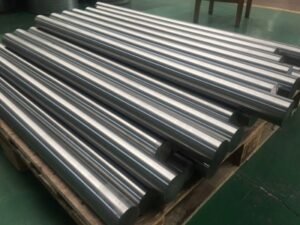 Post-fabrication processing, such as machining, surface treatment, and coating application, adds an additional 2-4 weeks to the timeline, depending on the complexity of the final product.
Quality assurance and validation represent the final phase of the customization process. This involves extensive testing to verify that the material meets all specified requirements, including mechanical testing, thermal analysis, corrosion resistance evaluation, and microstructural examination. The validation process typically requires 2-4 weeks but may extend longer if additional testing is required or if initial results indicate the need for process adjustments.
In summary, the complete customization process for high-temperature alloys generally spans from 16 to 36 weeks, depending on the complexity of the requirements. Simple modifications to existing alloys may be completed in as few as 12 weeks, while the development of completely new alloy compositions with specialized properties can require 6-9 months. Understanding these timeframes allows industries to plan their projects effectively and build appropriate schedules into their development timelines.

 English
  German
  French
  Portuguese
  Japanese
  Russian
  Italian
  Spanish
  Arabic
  Korean