
The processing fees for high-temperature alloys represent a significant consideration for industries requiring materials capable of withstanding extreme conditions. These specialized alloys, which maintain their mechanical properties at elevated temperatures, undergo various manufacturing processes that contribute to their final cost. Understanding the factors that determine processing fees is essential for manufacturers, engineers, and procurement specialists working with these advanced materials.
High-temperature alloys typically include nickel-based, cobalt-based, and iron-based superalloys that exhibit exceptional resistance to thermal degradation, creep, and oxidation. The processing of these materials involves multiple stages, each contributing to the overall cost structure. The initial raw material acquisition forms the foundation of the total cost, as many high-temperature alloys incorporate expensive elements such as nickel, chromium, cobalt, and various refractory metals.
The primary processing methods for high-temperature alloys include melting and casting, forging, heat treatment, and machining. Each of these processes requires specialized equipment, trained personnel, and precise control parameters, all of which influence the final processing fee. 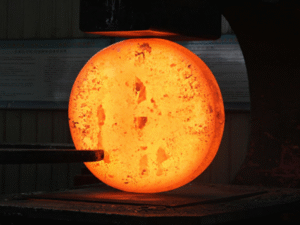
Melting and casting represent the first critical phase in processing high-temperature alloys. These materials often require vacuum induction melting or vacuum arc remelting to achieve the necessary purity and compositional accuracy. The energy consumption associated with these melting processes, combined with the cost of specialized refractory linings and electrodes, contributes significantly to the processing fees. Vacuum processing equipment represents substantial capital investment, with operational costs including maintenance, power consumption, and periodic replacement of consumable components.
Following melting, the alloy undergoes forming processes such as forging, rolling, or extrusion. These operations require high-capacity presses with precise temperature control capabilities. The hot working of high-temperature alloys demands careful attention to parameters like temperature, strain rate, and cooling methods to achieve the desired microstructure and mechanical properties. The energy requirements for maintaining elevated temperatures during forming operations add to processing costs.
Heat treatment constitutes another critical processing step that significantly impacts the final fee. Solution treatment, aging, and stress relieving processes must be carefully controlled to optimize the alloy’s high-temperature performance. The thermal cycles involved consume substantial energy, while the specialized equipment required for precise temperature control and atmosphere management represents additional cost factors. The duration of heat treatment cycles also affects labor and equipment utilization costs.
Machining high-temperature alloys presents particular challenges that increase processing fees. These materials exhibit high strength at elevated temperatures, work hardening tendencies, and poor thermal conductivity, which accelerate tool wear and reduce machining efficiency. The selection of appropriate cutting tools, optimization of cutting parameters, and implementation of specialized cooling strategies all contribute to the overall processing cost. The reduced cutting speeds and increased tool changes required for machining these alloys result in longer cycle times and higher labor costs.
Quality control measures represent an essential component of high-temperature alloy processing, adding to the overall fee structure. Non-destructive testing methods including ultrasonic testing, radiographic inspection, and dye penetrant inspection ensure material integrity but require specialized equipment and trained personnel. Chemical analysis, mechanical testing, and microstructural examination provide verification of material properties but add time and cost to the processing workflow.
The scale of production significantly influences processing fees per unit. Large batch sizes generally reduce per-unit costs through economies of scale in equipment utilization, labor efficiency, and material optimization. Conversely, small production runs or custom orders typically incur higher processing fees due to less efficient resource utilization and increased setup times. The complexity of the final product geometry also affects processing costs, with intricate features requiring additional operations and specialized tooling.
Market factors play a crucial role in determining processing fees for high-temperature alloys. The volatility of raw material prices, particularly for strategic elements like nickel and cobalt, directly impacts processing costs. Global supply chain disruptions, trade policies, and geopolitical tensions can all contribute to cost fluctuations. Additionally, the demand from aerospace, power generation, and chemical processing sectors influences the pricing structure based on market conditions and capacity utilization.
Different alloy grades exhibit varying processing cost profiles based on their composition and required properties. Nickel-based superalloys typically command higher processing fees due to their complex chemistry and stringent processing requirements. Cobalt-based alloys, while often containing expensive elements, may have more straightforward processing routes in certain applications. Iron-based high-temperature alloys generally offer lower processing costs but may compromise on extreme temperature performance or longevity.
Post-processing treatments such as coating application, surface treatments, and joining operations further contribute to the overall processing fee. Thermal barrier coatings, diffusion coatings, and overlay coatings enhance high-temperature performance but add significant cost through material application and specialized processing equipment. Welding and brazing of high-temperature alloys require precise control of thermal cycles and often involve consumable materials that add to the processing expense.
Environmental and safety considerations increasingly influence processing fees for high-temperature alloys. Emission control systems, waste management procedures, and workplace safety measures all contribute to operational costs. Regulatory compliance requirements may necessitate additional processing steps or specialized equipment, further increasing the overall cost structure. The environmental impact of processing operations is becoming an increasingly significant factor in determining total processing fees.
Looking forward, technological advancements in processing methods may influence the cost structure of high-temperature alloys. Additive manufacturing techniques, while currently expensive for these materials, may offer cost advantages for certain applications through reduced material waste and simplified processing routes. Advanced process control systems and automation have the potential to improve efficiency and reduce labor costs in high-temperature alloy processing.
In conclusion, the processing fees for high-temperature alloys result from a complex interplay of factors including raw material costs, energy requirements, specialized equipment, labor expertise, quality control measures, and market conditions. Understanding these cost components enables better decision-making for manufacturers and end-users requiring these advanced materials. As industrial applications continue to demand higher performance from materials operating in extreme environments, the processing of high-temperature alloys will remain a critical factor in the overall cost structure of high-temperature components and systems.

 English
  German
  French
  Portuguese
  Japanese
  Russian
  Italian
  Spanish
  Arabic
  Korean