Top High Temperature Alloy Supplier: Leading the Industry in High-Performance Materials
In the realm of advanced materials, high-temperature alloys stand out as critical components in various high-performance applications. These materials are essential in industries that operate under extreme conditions, such as aerospace, automotive, and energy production. As the demand for higher efficiency and durability continues to grow, the role of top high temperature alloy suppliers becomes increasingly significant. This article aims to explore the importance of high-temperature alloys, the challenges faced by suppliers, and the innovative solutions provided by leading industry players.
What Are High-Temperature Alloys?
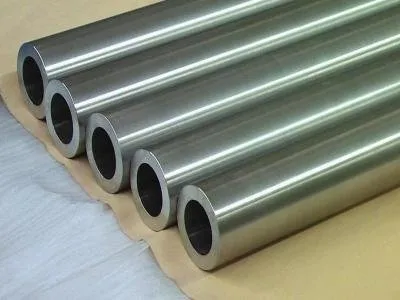
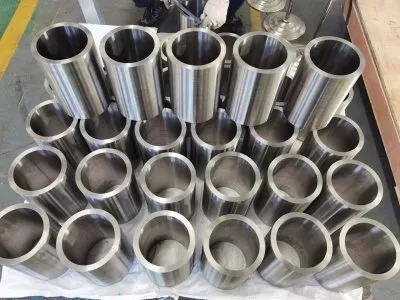
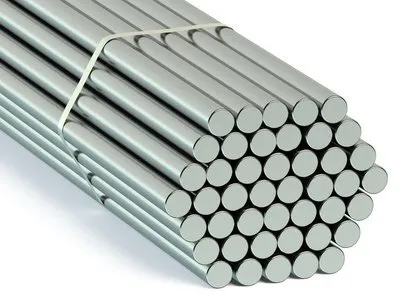
High-temperature alloys are a special category of materials that exhibit excellent mechanical properties at elevated temperatures. They are designed to maintain strength, resist corrosion, and withstand extreme pressures, making them indispensable in environments where traditional materials would fail. Common applications include jet engines, gas turbines, and nuclear reactors.
Why Are High-Temperature Alloys Important?
High-temperature alloys play a pivotal role in modern technology. They enable the design and operation of more efficient and powerful engines, which in turn reduce fuel consumption and emissions. In the aerospace industry, these alloys help in the manufacturing of aircraft components that can withstand the high temperatures generated during flight. Similarly, in the energy sector, they are crucial for the construction of power plants that operate at high temperatures, thereby increasing energy output and efficiency.
Challenges Faced by High-Temperature Alloy Suppliers
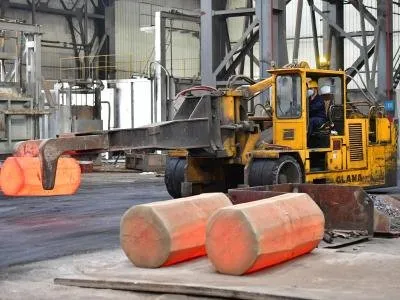
Despite their importance, suppliers of high-temperature alloys face several challenges. One of the primary issues is the complex manufacturing process involved in producing these materials. The alloys must be formulated and processed under precise conditions to ensure they meet the required specifications. Additionally, the cost of raw materials and the energy-intensive production processes can make these materials expensive.
Another challenge is the rapid pace of technological advancement. As new applications for high-temperature alloys emerge, suppliers must continuously innovate to meet the evolving demands of the market. This requires significant investment in research and development (R&D) to create new alloys with improved properties and performance.
Innovations in High-Performance Materials
Leading high-temperature alloy suppliers are at the forefront of innovation in this field. They invest heavily in R&D to develop new alloys that offer enhanced performance, durability, and cost-effectiveness. Some of the recent innovations include the development of alloys that can withstand even higher temperatures and have improved resistance to corrosion and fatigue.
One such innovation is the creation of nanocomposite alloys, which combine traditional alloy materials with nanoscale particles to enhance their properties. These nanocomposites exhibit superior strength and thermal stability, making them ideal for use in extreme environments.
The Role of Top High Temperature Alloy Suppliers
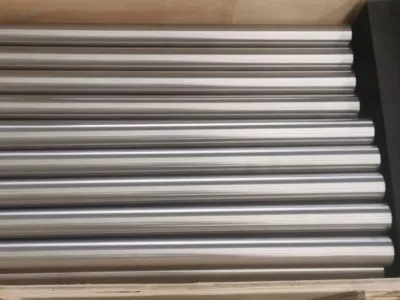
Top high temperature alloy suppliers play a crucial role in the industry by providing high-quality materials that meet the stringent requirements of various applications. They ensure that their products are tested and certified to meet international standards, providing customers with confidence in their performance.
These suppliers also offer technical support and customization services to help clients optimize the use of their materials. This includes providing guidance on material selection, processing techniques, and application-specific solutions. By working closely with clients, they help to ensure that high-temperature alloys are used effectively in a wide range of applications.
The Future of High-Temperature Alloys
The future of high-temperature alloys looks promising, with ongoing research and development expected to yield even more advanced materials. One area of focus is the development of lighter, stronger alloys that can further enhance the efficiency of aircraft and automotive engines. Additionally, there is growing interest in the use of high-temperature alloys in renewable energy technologies, such as solar thermal power plants.
Another trend is the integration of smart materials into high-temperature alloys. These materials can change their properties in response to external stimuli, such as temperature or pressure, allowing for more precise control and monitoring of performance.
Conclusion
High-temperature alloys are essential materials in the modern world, enabling the design and operation of high-performance engines and systems. Top high temperature alloy suppliers are leading the industry by providing innovative solutions to the challenges faced by manufacturers and engineers. As technology continues to advance, these suppliers will play an increasingly important role in shaping the future of high-performance materials.
Shareable Insights
- High-temperature alloys are critical for industries that operate under extreme conditions.
- Leading suppliers invest heavily in R&D to develop new, improved materials.
- Innovations like nanocomposite alloys are enhancing the performance of high-temperature alloys.
- These materials are essential for the development of more efficient and sustainable energy technologies.
By staying at the forefront of innovation and continuously improving their products, top high temperature alloy suppliers are ensuring that these materials remain at the heart of advanced technological applications.
Keywords
High-temperature alloys, advanced materials, aerospace industry, automotive engines, energy production, gas turbines, jet engines, nuclear reactors, material innovation, R&D, nanocomposite alloys, smart materials, performance enhancement, durability, corrosion resistance, thermal stability.