The high-temperature alloy rolling process represents a critical manufacturing technique for producing materials capable of withstanding extreme conditions in various industrial applications. These alloys, composed primarily of nickel, iron, and cobalt with additional elements like chromium, molybdenum, and tungsten, exhibit exceptional resistance to heat, corrosion, and mechanical stress. The rolling process transforms these alloys into desired shapes and thicknesses while maintaining their superior properties. 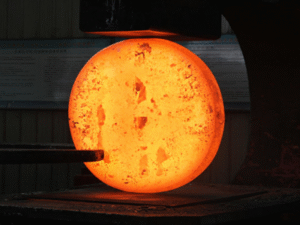 The initial stage involves heating the alloy ingots to temperatures ranging from 1100°C to 1250°C, depending on the specific alloy composition, to achieve optimal plasticity. Preheating must be carefully controlled to prevent surface oxidation and ensure uniform temperature distribution throughout the material. The heated ingots then pass through a series of rolling mills where they are gradually reduced in thickness. Each pass through the rollers applies compressive forces that deform the alloy, refining its grain structure and enhancing mechanical properties. The rolling speed, temperature, and reduction ratio must be precisely maintained throughout the process to prevent defects such as cracking or edge tearing. Cooling follows the rolling stage, with methods varying according to the alloy type and desired final properties. Some alloys require controlled air cooling, while others benefit from water quenching or solution treatment to achieve specific microstructural characteristics. The cooling rate significantly influences the material’s final strength, toughness, and thermal resistance. Quality control measures are implemented at every stage of the process to ensure the final product meets stringent industry standards. Non-destructive testing methods, including ultrasonic inspection and X-ray analysis, detect internal flaws and ensure dimensional accuracy. The surface finish is also evaluated to confirm it meets application requirements. Modern high-temperature alloy rolling processes incorporate advanced technologies such as computer-controlled systems that monitor and adjust temperature, pressure, and speed in real-time. These innovations improve product consistency and reduce material waste. The resulting rolled products find applications in aerospace components, gas turbine engines, nuclear reactors, and chemical processing equipment where exposure to extreme temperatures and corrosive environments is common. The continued development of rolling techniques ensures that high-temperature alloys can meet increasingly demanding industrial requirements while maintaining cost-effectiveness and production efficiency.


 English
  German
  French
  Portuguese
  Japanese
  Russian
  Italian
  Spanish
  Arabic
  Korean