Q: What is alloy structural steel? +
A: Alloy structural steel is carbon-based structural metal with intentional additions of chromium, nickel, molybdenum, manganese and silicon, designed to bear static and dynamic heavy loads in machinery and engineering. Different from plain carbon steel, its chemical composition is precisely calibrated to improve hardenability, low-temperature toughness and fatigue resistance. After quenching and tempering heat treatment, it gains matched high strength and ductility without excessive brittleness. It is produced into bars, forgings, plates and seamless pipes, acting as the primary load-bearing material for most medium and heavy industrial mechanical assemblies with balanced cost and mechanical performance.
Q: How is alloy structural steel classified by application characteristics? +
A: It is divided into quenched-tempered alloy structural steel and carburized alloy structural steel. Quenched-tempered grades such as 4130 and 4340 are heat-treated to obtain integrated strength and toughness for shafts, gears and pressure-bearing parts. Carburized low-carbon alloy structural steel receives surface carburizing treatment to achieve hard wear-resistant outer layers while retaining tough inner cores, perfect for transmission gears, pins and bearings suffering heavy surface friction. Each category adopts exclusive smelting and heat treatment workflows to fit distinct load and wear working conditions.
Q: How to judge the quality grade of alloy structural steel raw materials? +
A: Qualified alloy structural steel must first pass spectral chemical inspection to ensure all alloy element content meets national or international standard ranges. Metallographic testing checks internal grain uniformity and avoids harmful segregation, inclusions or banded structures. Mechanical tests cover tensile strength, yield strength, elongation and room/low-temperature impact toughness. Non-destructive ultrasonic inspection detects internal pores, shrinkage cavities and forging cracks. Unqualified batches will lead to sudden fracture of load-bearing parts under operation and serious equipment safety hazards.
Q: What are the mainstream application industries of alloy structural steel? +
A: Automotive manufacturing consumes the largest volume, used for crankshafts, drive shafts, gear sets and suspension connecting components. Engineering machinery relies on it for hydraulic cylinder barrels, gearbox housings and heavy load fasteners. Energy and pressure equipment adopt alloy structural steel for boiler pipe fittings, wind turbine spindle forgings and petroleum wellhead structural parts. Bridge construction, agricultural machinery and general mechanical equipment also widely select this material for all core load-bearing components requiring long-term stable bearing capacity.
Q: What core advantages does alloy structural steel have over plain carbon steel? +
A: Plain carbon steel has poor hardenability, so thick workpieces cannot achieve uniform strength after heat treatment and crack easily under impact or cyclic loads. Alloy structural steel features excellent deep hardenability, allowing consistent mechanical properties across large cross-section forgings. It delivers higher yield strength, stronger fatigue resistance and far better low-temperature toughness. Its tempered structure resists deformation under alternating stress, extending component service life greatly, while its raw material and processing costs remain much lower than superalloys or titanium alloys for general heavy-duty structures.
Q: What forms of semi-finished products are alloy structural steel supplied in? +
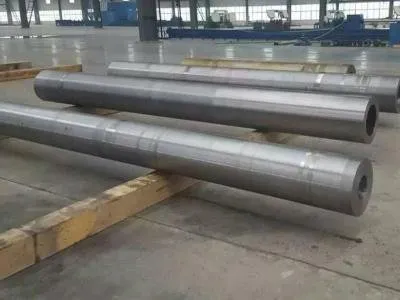
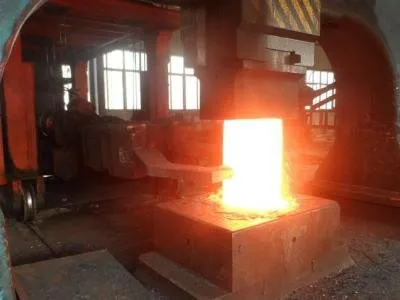
A: Manufacturers provide alloy structural steel in multiple standardized raw material forms to meet different processing demands. Hot-rolled and cold-drawn solid bars are widely used for shafts, bolts and small forgings. Thick plates are cut and machined into equipment support frames and pressure vessel flanges. Seamless alloy structural steel tubes serve hydraulic pipelines and cylinder barrels. Large-size ingots are forged into heavy-duty spindle and gear blanks. All raw materials come with certified chemical composition and mechanical test reports before delivery to processing factories.
Q: What limitations does alloy structural steel have in harsh service environments? +
A: Alloy structural steel only contains low chromium content, so its natural anti-corrosion capacity is weak. It rusts rapidly in seawater, acid mist or humid coastal environments without protective coating. Its sustained service temperature is limited below 500°C; long-term exposure above this threshold leads to strength decline and creep deformation. It also cannot withstand severe chemical corrosive media. These shortcomings restrict its use from anti-corrosion and ultra-high-temperature equipment, requiring surface painting, galvanizing or other protective treatments for outdoor and marine structural applications.
Q: What main alloying elements are used in alloy structural steel and their functions? +
A: Manganese improves hardenability and eliminates harmful iron sulfide impurities inside the matrix. Chromium boosts tensile strength, wear resistance and corrosion resistance of finished parts. Nickel significantly enhances low-temperature impact toughness to prevent brittle fracture under cold working environments. Molybdenum restricts temper brittleness during heat treatment and stabilizes strength under long-term moderate high-temperature loads. Silicon refines grain structure and elevates elastic limit. Every element is added within fixed narrow ranges to avoid performance defects and meet standard mechanical indicators for structural service.
Q: What standard heat treatment processes are applied to alloy structural steel? +
A: The two most common processes are quenching and tempering, plus carburizing quenching. Quenching heats the steel to austenitizing temperature then rapid cooling, followed by medium-high temperature tempering to remove internal quenching stress and balance strength and toughness. Low-carbon alloy structural steel undergoes high-temperature carburizing to enrich carbon on the part surface before quenching, creating hard wear-resistant surfaces and shock-resistant inner matrices. Precise temperature and holding time control are mandatory; improper treatment will cause uneven hardness, brittleness or insufficient fatigue resistance of finished structural parts.
Q: Why is alloy structural steel the preferred material for heavy-duty mechanical structures? +
A: It achieves an ideal balance of mechanical performance and production cost that few other structural metals can match. Its adjustable strength and toughness via mature heat treatment fit nearly all common heavy load working scenarios, from small automotive gears to large wind power forgings. Its machining, forging and welding processes are fully mature with supporting standard tooling and manufacturing procedures. Compared with high-end specialty alloys, it cuts raw material procurement and processing costs significantly while satisfying long-term safe bearing requirements for most general industrial structural equipment.