Q: What is advanced stainless steel? +
A: Advanced stainless steel is a category of high-performance stainless steel developed to surpass standard 304 and 316 grades via optimized alloy formulas and sophisticated metallurgical manufacturing processes. It covers super austenitic, duplex, super duplex and precipitation hardening stainless steel, enriched with extra molybdenum, nitrogen, copper and nickel. These elements form compact passive films and stable microstructures, delivering superior anti-corrosion, tensile strength and thermal stability. Unlike regular stainless steel, it reliably operates in high-chloride seawater, flue gas and frequent thermal cycling environments for high-end industrial core components.
Q: How is the chloride corrosion resistance of advanced stainless steel reflected in practical use? +
A: Chloride ions in seawater, brine and desulfurization waste liquid easily break down the passive film of standard stainless steel, triggering local pitting leakage. Advanced stainless steel with high molybdenum and nitrogen content greatly raises its critical pitting temperature, slowing down film damage under long-term chloride immersion. Super duplex grades can run continuously in full seawater without anti-corrosion coating, while super austenitic types endure hot concentrated chloride solutions in chemical workshops. This unique trait cuts frequent maintenance and replacement costs of industrial pressure equipment.
Q: What alloy elements enhance the performance of advanced stainless steel? +
A: Molybdenum is the core additive resisting pitting and crevice corrosion caused by chloride ions in seawater and industrial wastewater. Nitrogen stabilizes the internal phase structure and boosts yield strength without reducing ductility. Copper improves resistance to sulfuric acid and atmospheric industrial corrosion. Higher chromium content reinforces the protective oxide layer against high-temperature oxidation. Extra nickel balances phase stability for duplex and super austenitic grades. Minor element deviations will drastically weaken anti-corrosion and mechanical performance of finished advanced stainless steel products.
Q: What core advantages does advanced stainless steel have over conventional stainless steel? +
A: Ordinary stainless steel like 304 and 316 suffers pitting and stress cracking quickly under concentrated chloride, high temperature or sulfur-containing flue gas. Advanced stainless steel with elevated alloy content maintains intact passive films under such harsh conditions, extending component service life by several times. Duplex and super duplex versions own far higher tensile strength, allowing thinner wall designs to reduce equipment weight and material costs. Many grades also possess better thermal fatigue resistance to withstand repeated heating and cooling cycles in energy and chemical facilities.
Q: What heat treatment rules apply to duplex advanced stainless steel? +
A: Duplex advanced stainless steel requires precise solution annealing at fixed temperature ranges to achieve ideal fifty-fifty austenite and ferrite dual-phase structure. Overheating causes excessive ferrite generation and sharp toughness decline, while insufficient heating leads to uneven phase distribution and reduced chloride corrosion resistance. Rapid uniform cooling after heat treatment avoids harmful brittle intermetallic precipitates at grain boundaries. Unlike carbon steel, quenching and tempering are not applicable; improper thermal processing will completely destroy the core comprehensive performance of duplex advanced stainless steel components.
Q: What limitations restrict full popularization of advanced stainless steel? +
A: The increased dosage of molybdenum, nickel and nitrogen raises raw material costs far above regular 304 and 316 stainless steel. Complex smelting, rolling and heat treatment procedures extend production cycles and lift processing fees. Duplex advanced stainless steel has a narrow safe forming temperature window, prone to cracking during cold stamping without preheating. Most grades still fail against strong hydrofluoric acid and molten alkali salt at ultra-high temperature, so they cannot replace nickel-based corrosion-resistant alloys in extreme chemical reaction equipment.
Q: What main types are included in advanced stainless steel? +
A: Four mainstream types make up advanced stainless steel series. Duplex stainless steel features mixed austenite-ferrite dual phase for balanced strength and chloride corrosion resistance. Super austenitic stainless steel adds high molybdenum and nitrogen to resist severe pitting in chemical brines. Super duplex grades further upgrade alloy ratios for ultra-tough offshore working conditions. Precipitation hardening advanced stainless steel gains high hardness through low-temperature aging treatment while retaining decent anti-rust capacity. Every variant is tailored to distinct harsh media and load conditions without interchangeability in critical equipment.
Q: What production processes are required to manufacture qualified advanced stainless steel? +
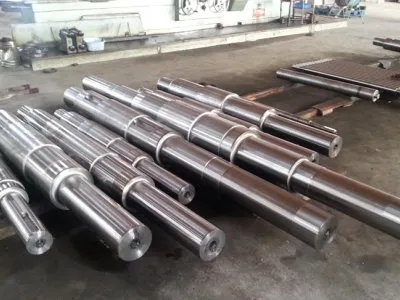
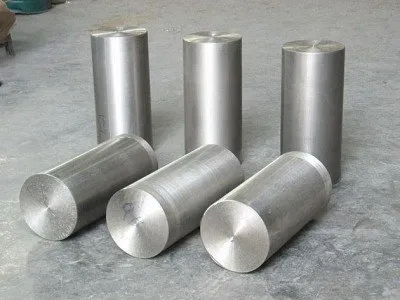
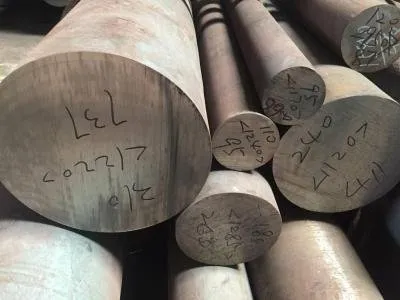
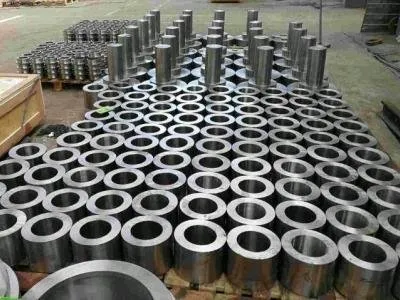
A: Advanced stainless steel demands secondary refining and vacuum smelting to strictly control carbon, oxygen and impurity contents that damage anti-corrosion performance. Controlled cooling and hot rolling precisely adjust internal phase proportions, especially for duplex stainless steel to maintain balanced austenite and ferrite ratios. Multi-stage cold rolling and solution heat treatment eliminate processing stress and restore uniform passive film forming ability. Finished semi-finished goods such as tubes, plates and bars must pass strict corrosion testing before delivery to industrial clients for harsh environment assembly.
Q: What standard quality inspections are conducted on advanced stainless steel before shipment? +
A: Chemical spectral analysis verifies chromium, molybdenum, nitrogen and nickel content meet advanced grade standards. Metallographic observation checks phase proportion and excludes brittle intergranular precipitates for duplex types. Mechanical tests measure yield strength, tensile strength and impact toughness to match equipment load requirements. Critical corrosion tests include pitting resistance testing and stress corrosion cracking simulation in chloride solution. Ultrasonic non-destructive inspection detects internal rolling defects, ensuring stable long-term operation in harsh marine and chemical working environments.
Q: Which industries widely adopt advanced stainless steel products? +
A: Offshore oil and marine engineering are major application sectors, using super duplex and duplex stainless steel for seawater pipelines, platform piping and desalination vessels. Power plants select super austenitic grades for flue gas desulfurization absorption towers resisting acid flue gas corrosion. Chemical factories deploy advanced stainless steel reactors and heat exchangers for mixed acid and chloride-containing production media. Aerospace precision fittings, medical surgical hardware and waste incineration high-temperature pipelines also rely on its integrated strength and anti-corrosion performance.