
Heat treatment represents a critical process in the manufacturing of high-temperature alloys, significantly influencing their mechanical properties, microstructure, and overall performance. The duration of heat treatment processes varies depending on multiple factors including alloy composition, desired properties, component geometry, and specific treatment requirements. Understanding the appropriate timeframes for heat treatment is essential to ensure optimal material characteristics without compromising production efficiency.
The fundamental heat treatment processes applied to high-temperature alloys include solution treatment, aging treatment, stress relief, and annealing. Solution treatment typically requires holding the alloy at elevated temperatures ranging from 980°C to 1200°C for periods between one to four hours. This process allows for the dissolution of harmful phases and homogenization of the alloy structure. The exact duration depends on the alloy’s thickness and thermal conductivity, with thicker sections requiring longer times to achieve uniform temperature distribution throughout the material.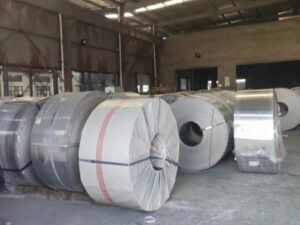
Aging treatment follows solution treatment in many high-temperature alloy applications and serves to precipitate strengthening phases within the matrix. This process occurs at lower temperatures than solution treatment, typically between 700°C and 900°C, and may require extended durations from 2 to 24 hours. The aging time significantly impacts the final mechanical properties, with longer aging periods generally increasing strength but potentially reducing ductility. Precise control of aging time is crucial to achieve the desired balance of properties specific to the application requirements.
Stress relief heat treatment is performed to reduce residual stresses induced by previous manufacturing processes such as welding, machining, or cold working. This process typically involves holding the alloy at temperatures between 600°C and 850°C for 1 to 3 hours, followed by controlled cooling. The duration depends on the initial stress levels and the component’s geometry, with more complex shapes requiring longer treatment times to ensure complete stress relief throughout the material.
Annealing processes for high-temperature alloys aim to soften the material, improve machinability, or enhance ductility. Full annealing may require holding temperatures between 900°C and 1100°C for 2 to 6 hours, followed by very slow cooling rates. Process annealing, on the other hand, uses lower temperatures and shorter durations, typically between 650°C and 850°C for 1 to 2 hours.
The heating and cooling rates during heat treatment also contribute significantly to the total process time. High-temperature alloys generally require slow heating rates to minimize thermal gradients and potential cracking, especially for thick sections. Cooling rates vary depending on the specific treatment requirements, with some processes requiring air cooling while others necessitate furnace cooling at controlled rates to achieve desired microstructural characteristics.
Several factors influence the appropriate heat treatment duration. Alloy composition plays a crucial role, as different elements have varying diffusion rates that affect phase transformation kinetics. Component geometry determines the time required for uniform temperature distribution throughout the material, with thicker sections requiring longer times. Additionally, the specific application requirements dictate the necessary treatment parameters to achieve the desired balance of properties such as creep resistance, fatigue strength, and oxidation resistance.
Quality control measures throughout the heat treatment process ensure consistent results and proper treatment durations. Temperature monitoring and recording verify that the alloy reaches and maintains the required temperatures for the specified durations. Metallurgical analysis of treated samples confirms that the desired microstructural changes have occurred, validating that the treatment time was appropriate for the specific alloy and application.
In conclusion, the heat treatment duration for high-temperature alloys varies significantly based on the specific process, alloy composition, component geometry, and desired properties. Manufacturers must carefully consider these factors to determine optimal treatment times that ensure material performance while maintaining production efficiency. Proper control of heat treatment parameters, including duration, temperature, and cooling rates, remains essential to achieving the reliable performance expected from high-temperature alloys in demanding applications.

 English
  German
  French
  Portuguese
  Japanese
  Russian
  Italian
  Spanish
  Arabic
  Korean