
Creep property testing is a critical evaluation method for high-temperature alloys used in demanding industrial applications. This testing procedure measures the ability of materials to withstand prolonged exposure to elevated temperatures under constant stress, which is essential for components operating in extreme environments such as jet engines, gas turbines, and power generation systems. The testing process involves subjecting standardized specimens to controlled temperature and stress conditions over extended periods, typically ranging from hundreds to thousands of hours, depending on the intended application requirements.
The creep testing procedure begins with sample preparation, where specimens are machined to specific dimensions according to industry standards like ASTM E139 or ISO 204. These specimens are then placed in specialized furnaces equipped with loading mechanisms that apply constant tensile stress. The testing environment is precisely controlled to maintain the target temperature within ±1°C, ensuring accurate and reproducible results. During the test, the elongation of the specimen is continuously monitored using extensometers or other displacement measuring devices, with data collected at regular intervals to establish the creep curve.
The creep curve typically exhibits three distinct stages: primary, secondary, and tertiary creep. In the primary stage, the material experiences decreasing creep rate as it undergoes work hardening. The secondary stage, known as steady-state creep, is characterized by a constant creep rate and represents the most critical period for material evaluation. The tertiary stage shows accelerating creep rate leading to eventual failure. Testing continues until either rupture occurs or a predetermined time or deformation limit is reached.
Several key parameters are derived from creep testing, including creep strength, stress rupture strength, and creep ductility. Creep strength is defined as the stress required to produce a specified creep rate, often expressed as the stress resulting in 0.1% or 1% creep strain over a given time period. Stress rupture strength represents the maximum stress a material can withstand for a specified duration without failure. Creep ductility measures the material’s ability to deform before rupture, which is particularly important for components requiring some deformation capacity.
Advanced creep testing facilities may employ multiple testing stations, allowing simultaneous evaluation of numerous specimens under different temperature and stress conditions. This capability enables the development of comprehensive creep data sets that can be used to construct creep master curves and predict long-term material behavior. Additionally, modern testing systems often incorporate digital data acquisition and analysis software, enabling real-time monitoring and sophisticated interpretation of test results.
The data obtained from creep testing is crucial for material selection, design optimization, and life assessment of high-temperature components. Engineers use this information to establish safe operating stresses and temperatures, predict component lifetimes, and develop maintenance schedules. The results also contribute to the development of new alloy compositions and processing methods with improved high-temperature performance.
Quality control procedures are an integral part of creep testing, with laboratories implementing rigorous calibration and verification processes for testing equipment. Accreditation by recognized bodies such as NADCAP ensures the reliability and validity of test results. Documentation requirements include detailed specimen information, test parameters, environmental conditions, and measurement data to maintain traceability and compliance with industry standards.
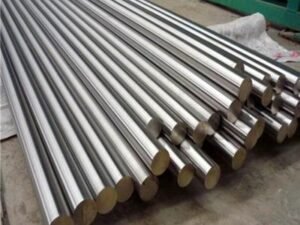
The interpretation of creep test results requires expertise in materials science and engineering. Analysts must consider factors such as microstructural evolution, phase transformations, and environmental effects that may influence creep behavior. Advanced techniques like electron microscopy and fractography are often employed to examine the microstructural changes and fracture characteristics of tested specimens.
As operating temperatures continue to increase in advanced engineering applications, the importance of comprehensive creep testing grows. Research efforts are focused on developing more efficient testing methods, accelerated testing protocols, and improved data analysis techniques to better predict long-term material behavior. These advancements enable the development of next-generation high-temperature alloys capable of meeting the increasingly demanding requirements of modern industrial applications.

 English
  German
  French
  Portuguese
  Japanese
  Russian
  Italian
  Spanish
  Arabic
  Korean