
High-temperature alloys represent a critical class of materials engineered to maintain structural integrity and functional performance under extreme thermal conditions. These materials find extensive applications in aerospace propulsion systems, gas turbines, nuclear reactors, and industrial furnaces where conventional metals would rapidly degrade. The mechanical properties of these specialized alloys determine their suitability for such demanding environments, with characteristics including tensile strength, creep resistance, fatigue behavior, fracture toughness, thermal expansion properties, and hardness forming the foundation of their utility in high-temperature applications.
Tensile strength represents one of the most fundamental mechanical properties evaluated for high-temperature alloys. This characteristic measures the maximum stress a material can withstand while being stretched or pulled before failing. Nickel-based superalloys, cobalt-chromium alloys, and certain iron-nickel-chromium compositions demonstrate exceptional tensile strength at elevated temperatures, often maintaining significant portions of their room-temperature strength at 800°C or higher. This retention of strength occurs through microstructural mechanisms including solid solution strengthening, precipitation hardening, and grain boundary strengthening. The specific combination of elements such as aluminum, titanium, niobium, and tantalum facilitates the formation of coherent gamma prime precipitates that impede dislocation movement, thereby enhancing strength under thermal stress.
Creep resistance constitutes another critical mechanical property for high-temperature alloys, particularly in applications involving sustained loading at elevated temperatures. Creep describes the gradual deformation of a material under constant stress over extended periods, which can lead to catastrophic failure in critical components. High-temperature alloys mitigate this phenomenon through several mechanisms, including the formation of stable carbide networks at grain boundaries, the development of protective oxide layers that reduce surface diffusion, and the optimization of grain structure to minimize boundary sliding. Nickel-based superalloys excel in this regard due to their gamma-gamma prime microstructure, which provides exceptional resistance to dislocation climb and grain boundary sliding at temperatures approaching 90% of their melting point.
Fatigue behavior represents a complex mechanical property for high-temperature alloys, as it involves the initiation and propagation of cracks under cyclic loading conditions. High-temperature fatigue differs significantly from room-temperature fatigue due to the simultaneous effects of mechanical stress and thermal exposure. The mechanical property characteristics that influence high-temperature fatigue include microstructural stability, oxidation resistance, and the ability to maintain strength during thermal cycling. Cobalt-based alloys often demonstrate superior high-cycle fatigue resistance at elevated temperatures due to their inherent phase stability and resistance to environmental degradation. The fatigue life of these materials can be further enhanced through surface treatments and microstructural optimization to minimize stress concentrations and crack initiation sites.
Fracture toughness remains a crucial mechanical property for high-temperature alloys, particularly in applications where sudden failure would have severe consequences. This characteristic measures a material’s resistance to crack propagation and its ability to absorb energy before fracturing. High-temperature fracture toughness depends on various factors including grain size, precipitate distribution, and the presence of detrimental phases. Nickel-based superalloys typically exhibit higher fracture toughness at elevated temperatures compared to cobalt-based alternatives, primarily due to their more ductile gamma prime phase and optimized grain boundary characteristics. The mechanical property of fracture toughness can be tailored through thermomechanical processing to achieve an optimal balance between strength and toughness for specific applications.
Thermal expansion properties represent a fundamental mechanical consideration for high-temperature alloys, as they influence dimensional stability and thermal stress development during temperature cycling. The coefficient of thermal expansion (CTE) varies significantly among different alloy systems, with nickel-based alloys typically exhibiting lower CTE values compared to iron-based alternatives. This mechanical property becomes particularly important in applications requiring dimensional precision or in components joined with materials having different thermal expansion characteristics. The addition of alloying elements such as chromium, tungsten, and molybdenum can further modify the thermal expansion behavior, allowing for customization based on specific application requirements.
Hardness and wear resistance constitute additional mechanical properties critical for high-temperature applications involving abrasive or erosive environments. These characteristics determine a material’s ability to maintain dimensional integrity and surface quality under mechanical wear at elevated temperatures. High-temperature alloys achieve exceptional hardness through precipitation hardening mechanisms, solid solution strengthening, and the formation of hard carbide phases. The mechanical property of wear resistance can be further enhanced through surface engineering techniques and the optimization of microstructural features such as grain size and phase distribution. Iron-nickel-based alloys often demonstrate superior wear resistance in certain high-temperature applications due to their ability to form stable hard phases while maintaining adequate toughness.
The mechanical properties of high-temperature alloys are influenced by numerous factors including composition, processing history, microstructure, and environmental conditions. The specific combination of elements and their interactions determine the fundamental characteristics that make these materials suitable for extreme environments. Processing techniques such as solution treatment, aging, and thermomechanical processing play crucial roles in developing the optimal microstructure that maximizes desired mechanical properties. Environmental factors including oxidation, carburization, and thermal cycling can significantly alter the mechanical behavior of these materials, necessitating careful consideration of service conditions during material selection and design.
Applications of high-temperature alloys span numerous industries where mechanical property requirements vary significantly. In aerospace propulsion systems, turbine blades and vanes require exceptional creep resistance and high-temperature strength to withstand centrifugal forces and combustion temperatures. Land-based gas turbines utilize similar materials but with different mechanical property priorities, often emphasizing thermal fatigue resistance and cost-effectiveness. Nuclear reactor applications focus on radiation effects on mechanical properties, requiring materials that maintain integrity under neutron irradiation. Each application demands specific combinations of mechanical properties, driving continuous development and optimization of high-temperature alloy systems.
Future developments in high-temperature alloys will likely focus on further enhancing mechanical property characteristics through advanced alloy design, novel processing techniques, and computational modeling. Additive manufacturing technologies offer new possibilities for creating complex geometries with optimized microstructures that maximize specific mechanical properties. Computational approaches enable more precise prediction of mechanical behavior under service conditions, reducing development time and improving material performance. The integration of these advanced approaches promises to push the boundaries of mechanical property capabilities, enabling applications at even higher temperatures and more extreme environments.
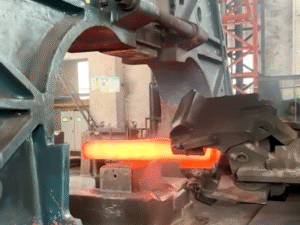
In conclusion, the mechanical property characteristics of high-temperature alloys represent a complex interplay of composition, microstructure, and processing that enables these materials to perform reliably under extreme conditions. The fundamental properties of tensile strength, creep resistance, fatigue behavior, fracture toughness, thermal expansion, and hardness collectively determine the suitability of specific alloys for demanding applications. As technology advances and operating conditions become more severe, the continuous development of high-temperature alloys with enhanced mechanical properties will remain essential for progress across numerous industries. The understanding and optimization of these mechanical characteristics will continue to drive innovation in material science, enabling new capabilities and extending the boundaries of what is possible in high-temperature environments.

 English
  German
  French
  Portuguese
  Japanese
  Russian
  Italian
  Spanish
  Arabic
  Korean