Micro Arc Oxidation of Titanium Alloy: Process, Benefits, and Applications
Micro arc oxidation (MAO) — also called plasma electrolytic oxidation (PEO) — transforms a titanium surface from a thin natural oxide into a ceramic-like coating tens of microns thick, grown by controlled electrical discharges. The process borrows the idea of anodizing but pushes voltage past the dielectric breakdown point, so micro-discharges across the surface melt and re-sinter local oxide into a dense, adherent, porous layer. For titanium — an alloy valued for corrosion resistance, biocompatibility and strength-to-weight — MAO fixes the surface’s one weak point: natural titanium oxide is thin, and MAO replaces it with one engineered for the job.
MAO at a glance
- Coating: TiO₂-based ceramic, with electrolyte elements (P, Si, Ca) incorporated
- Typical thickness: 5–50 µm — far beyond anodized films
- Surface hardness: up to several hundred to ~1,000 HV depending on parameters
- Growth: discharges at breakdown voltage, layer grows inward + outward
- Character: dense inner layer, porous outer layer, increased roughness
The Process in Six Steps
Cleaning → Activation → Electrolyte bath → High-voltage anodic treatment → Discharge growth → Rinse and finish
- Cleaning — degrease and remove scale so the coating grows on a uniform surface.
- Activation — chemical or mechanical prep optimizes adhesion of the oxide layer.
- Electrolyte — the part is anodically polarized in a bath of phosphates, silicates or other salts; electrolyte species will be incorporated into the coating.
- Voltage ramp — potential is raised past the breakdown threshold (hundreds of volts); micro-discharges ignite across the surface.
- Growth — each discharge melts a micro-zone of titanium, oxidizes it and re-solidifies it; sustained processing thickens the layer while the porous outer structure forms.
- Rinse and finish — post-treatment rinsing removes loose debris; optional sealing or top coating follows for specific duties.
The key difference from ordinary anodizing: MAO operates in the spark-discharge regime, which is what grows the thick, hard, ceramic layer instead of a thin barrier film.
What the Coating Buys: Corrosion, Wear, and Bioactivity
| Property | Bare Titanium | MAO-Treated Titanium |
|---|---|---|
| Surface oxide | Thin, ~nm-scale | Dense ceramic layer, 5–50 µm |
| Corrosion resistance | Good | Better — barrier against chlorides, acids, seawater |
| Wear resistance | Poor (soft surface, galling) | High hardness, low wear rate |
| Adhesion base | — | Excellent key for paints, seals, coatings |
| Roughness | Smooth | Controlled porous roughness |
| Bioactivity (with Ca/P electrolytes) | Inert | Bioactive surface promoting bone response |
Two benefits deserve emphasis:
- Corrosion resistance in aggressive service — the dense barrier layer protects titanium in marine, chemical and aerospace environments, where the material is already selected for its base corrosion performance.
- Wear resistance where titanium normally fails — untreated titanium is soft and prone to galling; MAO’s hard ceramic surface is the standard answer for titanium parts that must slide, seat or bear friction.
With calcium- and phosphorus-bearing electrolytes, the coating can also be grown bioactive, incorporating elements that support osseointegration — the property that makes MAO the reference surface for titanium implants.
Where MAO Titanium Earns Its Place
Medical implants. Pure titanium — TA2 commercially pure grade — is the classic implant substrate; MAO coatings with Ca/P incorporation improve both corrosion behavior and bone response, which is why MAO surfaces appear on hip and knee prostheses and dental hardware. Long-term durability in the body is the whole point.
Aerospace and structural. TC4 (Ti-6Al-4V) parts — fasteners, brackets, housings — gain wear and corrosion resistance without sacrificing the strength-to-weight ratio that put titanium in the aircraft. The coating also anchors the paints and seals used in engine bays.
Aviation and marine hardware. GR9 (Ti-3Al-2.5V) — a weldable, medium-strength titanium — carries MAO protection into marine and aviation fittings where chloride corrosion meets wear.
Beyond titanium: the same process family. MAO applies to other valve metals — aluminum, magnesium, zirconium and niobium — so a supplier that covers the whole titanium-to-refractory range can support a single surface-treatment line.
Choosing the Substrate Matters
MAO does not fix the alloy; it protects the surface. The bulk grade must still be right:
- Pure grades (TA1/TA2/TA3) — maximum corrosion resistance and biocompatibility; the standard for implants.
- TC4/GR9 alloys — strength and weldability for structural parts; the coating then adds wear and environmental protection.
- Niobium and refractory metals — for specialized chemical and electronic duty, treated with the same process.
A reliable coating is built on a correctly specified, clean, fully traceable substrate — which is exactly what a materials supplier should document.
FAQ
Q: What is micro arc oxidation of titanium? A: An electrolytic surface treatment that grows a thick ceramic TiO₂-based coating by micro-discharges above the dielectric breakdown voltage — the plasma-electrolytic evolution of anodizing.
Q: How thick is a MAO coating on titanium? A: Typically 5–50 µm, versus nanometer-scale natural oxide or a few microns from conventional anodizing; thickness is controlled by process parameters.
Q: Is MAO good for medical implants? A: Yes — with Ca/P electrolytes the coating becomes bioactive, and the dense barrier improves corrosion resistance; it is a reference surface for titanium implants.
Q: Does MAO improve wear resistance? A: Yes — the ceramic layer raises surface hardness substantially, solving titanium’s galling and wear problem in sliding and seated parts.
Q: What is the difference between anodizing and MAO? A: Anodizing forms a thin barrier film below breakdown voltage; MAO operates in the discharge regime, growing a thick, porous, hard ceramic layer.
Q: Which titanium grades are best for MAO? A: Commercially pure TA1/TA2/TA3 for corrosion and implant service, TC4 and GR9 for structural parts — the coating protects the surface while the bulk grade carries the load.
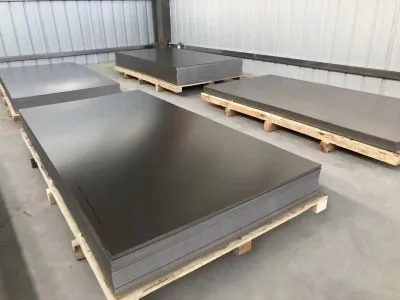
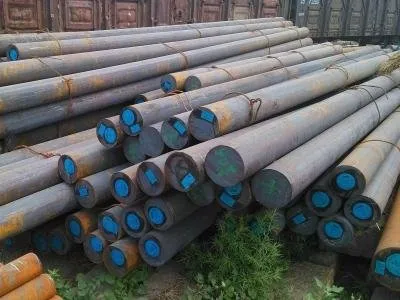
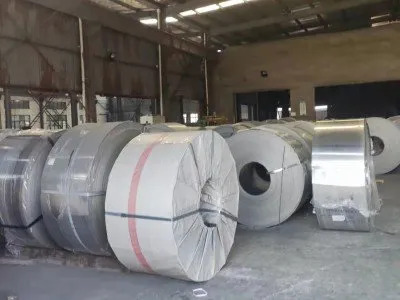
Ready to source titanium for MAO processing? Contact Dura Alloy for TA2, TC4, GR9 and niobium plate in bar, plate and sheet with complete test certificates — nicholas.zhu1212@gmail.com · WhatsApp 8618921275456 · Request a quote