
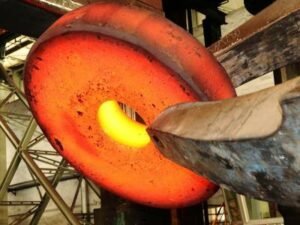
The evolution of processes for the production of high-temperature alloys has witnessed significant advancements, leading to substantial improvements in efficiency. This comparison between the old and new methodologies highlights the transformative changes that have revolutionized the industry. The traditional approaches, while foundational, often entailed complex and time-consuming procedures that resulted in lower yields and higher production costs. These methods frequently relied on manual interventions and rudimentary equipment, which limited the precision and consistency of the final products. In contrast, the new processes leverage cutting-edge technologies and innovative techniques that have dramatically enhanced the overall efficiency. Automation and advanced control systems have replaced many of the manual tasks, ensuring greater accuracy and reducing the likelihood of errors. The integration of sophisticated monitoring tools allows for real-time adjustments, optimizing the production environment for maximum output. Material science has also played a pivotal role in these advancements. The development of new alloys with superior properties has enabled manufacturers to achieve higher performance levels without compromising on quality. These materials exhibit enhanced durability, resistance to corrosion, and the ability to withstand extreme temperatures, making them ideal for high-stakes applications. Energy efficiency has been another critical area of focus. The new processes are designed to minimize energy consumption, reducing both operational costs and environmental impact. This has been achieved through the implementation of energy recovery systems and the adoption of renewable energy sources. The reduction in waste production is another notable improvement. Modern techniques emphasize recycling and reusing materials, aligning with sustainable practices. This not only cuts down on costs but also contributes to the conservation of natural resources. The impact of these advancements on the industry is profound. Companies that have adopted the new processes have reported significant increases in productivity and profitability. The ability to produce high-temperature alloys with greater consistency and at a lower cost has given them a competitive edge in the market. Furthermore, the enhanced properties of the new alloys have opened up new possibilities for their application in various industries, including aerospace, automotive, and energy. The transition from old to new processes has not been without challenges. The initial investment required to upgrade equipment and retrain staff can be substantial. However, the long-term benefits far outweigh these costs. The increased efficiency and improved quality of the products have led to greater customer satisfaction and loyalty. As the demand for high-temperature alloys continues to grow, the industry must remain at the forefront of innovation. Ongoing research and development efforts are crucial to identifying even more efficient and sustainable production methods. The collaboration between material scientists, engineers, and manufacturers will be key to driving these advancements forward. In conclusion, the comparison between the old and new processes for high-temperature alloys underscores the transformative impact of innovation on the industry. The new methodologies have brought about significant improvements in efficiency, cost-effectiveness, and product quality. As the industry continues to evolve, the adoption of these advanced processes will be essential for meeting the growing demand for high-performance materials. The future holds immense potential for further breakthroughs, which will continue to shape the landscape of high-temperature alloy production.

 Portuguese
  English
  German
  French
  Japanese
  Russian
  Italian
  Spanish
  Arabic
  Korean