Gas turbines represent critical components in modern power generation and aerospace propulsion systems, operating under extreme conditions that demand materials capable of withstanding high temperatures, mechanical stress, and corrosive environments. The performance and efficiency of these turbines heavily depend on the materials used in their construction, particularly for components exposed to the highest thermal loads. High-temperature alloys have emerged as the material of choice for these demanding applications due to their exceptional mechanical properties, thermal stability, and resistance to degradation at elevated temperatures. 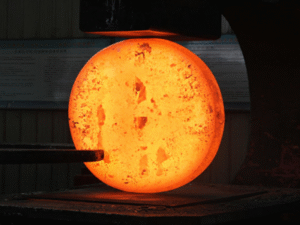 The development of high-temperature alloys for gas turbine applications has evolved significantly over the past decades, driven by the need for higher operating temperatures that improve thermal efficiency. These alloys, often referred to as superalloys, are typically based on nickel, cobalt, or iron, with various alloying elements added to enhance specific properties. Nickel-based superalloys have gained particular prominence in gas turbine applications due to their excellent balance of high-temperature strength, creep resistance, and oxidation resistance. The microstructure of these alloys is carefully engineered through precise control of composition and heat treatment to optimize performance under service conditions. The manufacturing processes for high-temperature alloy components involve sophisticated techniques such as investment casting, forging, and powder metallurgy. These methods allow for the production of complex geometries with precise dimensional control while maintaining the integrity of the material. Surface treatments and coatings are frequently applied to further enhance the performance and extend the service life of these components in harsh operating environments. The operational environment inside a gas turbine presents significant challenges to materials, with temperatures exceeding 1000°C in the hottest sections. These conditions necessitate materials that can maintain mechanical strength while resisting oxidation, hot corrosion, and thermal fatigue. Advanced high-temperature alloys achieve these requirements through solid solution strengthening, precipitation hardening, and the formation of protective oxide layers on the surface. The continuous improvement in gas turbine technology has led to increasingly demanding requirements for high-temperature alloys. Manufacturers are constantly developing new alloy compositions and processing techniques to achieve higher temperature capabilities, improved efficiency, and reduced emissions. Research efforts focus on understanding fundamental mechanisms of degradation and developing innovative solutions to extend component life while reducing maintenance costs. The application of high-temperature alloys extends beyond gas turbines to include other high-temperature industrial processes such as heat treatment furnaces, chemical processing equipment, and waste incineration systems. However, the most demanding applications remain in aerospace propulsion and land-based power generation, where the performance of these components directly impacts system efficiency and operational costs. The economic viability of gas turbine power plants and aircraft engines depends significantly on the durability and reliability of their high-temperature components. The selection of appropriate materials and designs involves careful consideration of operating conditions, expected service life, and maintenance requirements. Advanced modeling and simulation tools now play a crucial role in predicting component behavior and optimizing material selection for specific applications. As energy demands continue to grow and environmental regulations become more stringent, the development of advanced high-temperature alloys will remain a critical area of materials science and engineering research. The ongoing evolution of these materials will enable more efficient, reliable, and sustainable gas turbine systems for future energy and transportation needs.


 Russian
  English
  German
  French
  Portuguese
  Japanese
  Italian
  Spanish
  Arabic
  Korean