High-temperature alloys represent a critical class of materials that maintain exceptional mechanical properties and resistance to degradation under extreme conditions. These materials are essential components in aerospace engines, gas turbines, nuclear reactors, and other demanding industrial applications. The production of high-performance superalloys relies heavily on advanced melting techniques, with vacuum melting standing out as a preferred method due to its ability to produce materials with superior purity and controlled compositions. Vacuum melting processes, including vacuum induction melting (VIM) and vacuum arc remelting (VAR), have revolutionized the manufacturing of these critical materials by effectively removing harmful gases and impurities that compromise alloy performance. 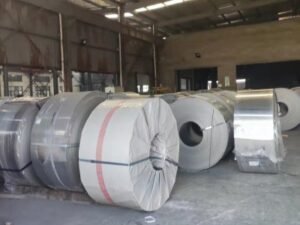 The fundamental principle behind vacuum melting involves the melting of metal alloys in a carefully controlled environment where the pressure is significantly reduced below atmospheric levels. This low-pressure environment facilitates the removal of dissolved gases such as oxygen, nitrogen, and hydrogen, which can form detrimental oxides, nitrides, and hydrides when present in the alloy matrix. The reduction of these interstitial elements leads to improved ductility, fracture toughness, and high-temperature strength in the final product. Additionally, the vacuum conditions prevent unwanted reactions between the molten metal and the surrounding atmosphere, ensuring precise control over the alloy’s chemical composition. The process typically involves charging the raw materials into a refractory-lined crucible within a sealed chamber, which is then evacuated to achieve the desired vacuum level. Once the appropriate pressure is attained, induction heating or arc melting is employed to melt the charge. The molten metal can then be treated with various alloying elements to achieve the desired composition before being solidified into ingots or cast components. Modern vacuum melting systems incorporate sophisticated process controls that monitor and regulate critical parameters such as temperature, pressure, and melting rate to ensure consistent product quality. The advantages of vacuum melting extend beyond simple impurity removal. This technique enables the production of alloys with highly controlled microstructures, which directly influence mechanical properties. By carefully manipulating solidification parameters, manufacturers can achieve desirable grain structures such as equiaxed, columnar, or single-crystal configurations, each offering specific performance benefits for different applications. Furthermore, vacuum melting allows for the precise addition of reactive elements that would otherwise oxidize or volatilize in conventional melting processes. The aerospace industry has particularly benefited from advancements in vacuum melting technology, enabling the development of turbine blades and other components capable of withstanding increasingly higher operating temperatures. These improvements have directly contributed to enhanced engine efficiency, reduced fuel consumption, and lower emissions. Similarly, in the power generation sector, vacuum-melted superalloys have extended the service life of gas turbine components while allowing for higher operating temperatures and improved efficiency. Despite its numerous advantages, vacuum melting presents certain challenges. The capital investment required for vacuum melting equipment is substantial, and the operational costs associated with maintaining vacuum conditions and specialized refractories can be significant. Additionally, the process demands highly skilled operators and rigorous quality control measures to ensure consistent results. Research continues to focus on improving the efficiency and cost-effectiveness of vacuum melting processes, with developments in vacuum consumable electrode melting, plasma arc melting, and electron beam melting offering new possibilities for alloy production. As industries continue to push the boundaries of material performance, vacuum melting technology will remain at the forefront of high-temperature alloy manufacturing, enabling the development of next-generation materials capable of meeting increasingly demanding application requirements.


 Portuguese
  English
  German
  French
  Japanese
  Russian
  Italian
  Spanish
  Arabic
  Korean