High-temperature alloys represent a critical class of materials engineered to maintain mechanical integrity and corrosion resistance under extreme thermal conditions. These alloys, primarily composed of nickel, cobalt, iron, and various refractory elements, find extensive applications in aerospace, energy generation, and industrial processing equipment. The drawing process for high-temperature alloys involves a series of carefully controlled steps that transform raw material into precise, high-strength components capable of withstanding severe operational environments. The initial stage of high-temperature alloy drawing begins with material preparation. Raw alloy billets or rods undergo thorough inspection to ensure surface quality and dimensional accuracy prior to processing. These materials then experience heat treatment at temperatures exceeding 1000°C to achieve optimal microstructure and workability. The heat treatment parameters must be precisely controlled to avoid grain growth or phase transformations that could compromise final product performance. Following heat treatment, the alloy enters the primary drawing phase where it passes through a series of progressively smaller dies. Each die reduces the material’s cross-sectional area while simultaneously increasing its length. The drawing process typically occurs at elevated temperatures, often between 800-1200°C, depending on the specific alloy composition. This temperature range maintains material ductility while facilitating plastic deformation without causing excessive tool wear or surface degradation. 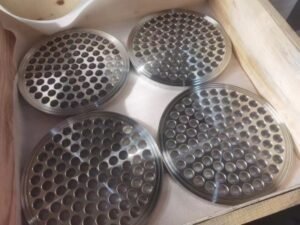 The drawing force represents a critical parameter in high-temperature alloy processing. Excessive force can lead to surface defects, internal cracking, or even complete material failure. Engineers must carefully calculate drawing forces based on material flow stress, die geometry, and reduction ratios. Lubrication systems employing specialized high-temperature compounds further facilitate the process by reducing friction and heat generation at the material-die interface. Intermediate annealing treatments frequently occur between drawing passes to restore material ductility and relieve internal stresses accumulated during deformation. These annealing cycles typically involve heating to temperatures below the material’s solution treatment range followed by controlled cooling. The number and frequency of intermediate annealing steps depend on the total reduction required and the specific work-hardening characteristics of the alloy. Final drawing operations achieve the desired dimensional tolerances and surface finish. These precision drawing passes often employ diamond dies or carbide tooling to achieve exceptional surface quality and dimensional accuracy. The final product then undergoes solution heat treatment and age hardening to develop the optimal balance of strength, creep resistance, and thermal stability required for high-temperature applications. Quality control measures throughout the drawing process include dimensional inspection, surface defect analysis, and microstructural evaluation. Non-destructive testing techniques such as ultrasonic inspection and eddy current testing verify internal integrity and detect potential flaws that could compromise component performance in service environments. The high-temperature alloy drawing process exemplifies the sophisticated intersection of materials science, thermal engineering, and precision manufacturing. As operating temperatures continue to increase in advanced applications, the development of improved drawing techniques and tooling systems remains essential for producing reliable components that meet the demanding requirements of modern high-temperature industrial environments.


 Portuguese
  English
  German
  French
  Japanese
  Russian
  Italian
  Spanish
  Arabic
  Korean