
Exploring the Heat Treatment Process for High-Temperature Alloys
In the realm of high – temperature alloys, the heat treatment process stands as a crucial factor in maximizing their comprehensive performance. Dura Alloy, a remarkable high – temperature alloy, is at the forefront of this exploration.
Heat treatment involves a series of controlled heating and cooling operations. For Dura Alloy, these processes can significantly alter its internal structure and properties. One of the primary goals is to enhance its strength at high temperatures. When Dura Alloy is heated to a specific high temperature and then cooled at a controlled rate, the grains within the alloy are refined. This refinement leads to an increase in the alloy’s resistance to deformation under high – temperature conditions.
The first step in the heat treatment of Dura Alloy might be solution annealing. This process involves heating the alloy to a high enough temperature so that all the alloying elements are dissolved in the matrix. For Dura Alloy, this step is essential as it allows for a more homogeneous distribution of elements. Once the elements are evenly distributed, the alloy can better withstand the stresses of high – temperature environments. After solution annealing, the alloy is rapidly cooled, which helps to lock in the desired structure.
Another important aspect of the heat treatment process is aging. Aging Dura Alloy at a lower temperature for a specific period can cause the precipitation of fine particles within the alloy. These precipitates act as obstacles to the movement of dislocations, which in turn increases the alloy’s strength. The size, distribution, and composition of these precipitates are carefully controlled during the aging process.
The heat treatment of Dura Alloy also has an impact on its corrosion resistance. High – temperature environments often expose alloys to corrosive elements. By properly heat – treating Dura Alloy, a protective oxide layer can form on its surface. This oxide layer acts as a barrier, preventing further corrosion of the alloy. The heat treatment process can also improve the alloy’s ability to resist oxidation, which is a common problem in high – temperature applications.
In addition to strength and corrosion resistance, the heat treatment of Dura Alloy can affect its ductility. Ductility is important as it allows the alloy to deform without cracking under stress. Through the right combination of heating and cooling, the ductility of Dura Alloy can be optimized. This is particularly important in applications where the alloy needs to be formed into complex shapes.
However, the heat treatment process is not without challenges. Determining the exact temperatures, heating and cooling rates, and duration of each step requires careful experimentation and analysis. For Dura Alloy, small variations in the heat treatment parameters can lead to significant differences in its performance.
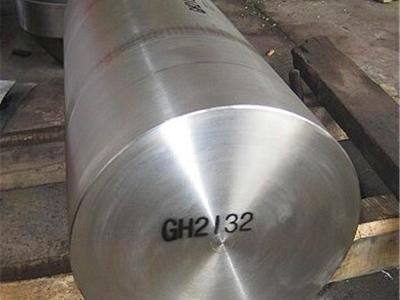
Moreover, the equipment used in the heat treatment process also plays a crucial role. High – precision furnaces and cooling systems are needed to ensure that the heat treatment is carried out accurately. Any fluctuations in temperature or cooling rate can affect the final properties of Dura Alloy.
In conclusion, the heat treatment process is a powerful tool for maximizing the comprehensive performance of high – temperature alloys like Dura Alloy. By carefully controlling the heating and cooling operations, we can enhance its strength, corrosion resistance, and ductility. Despite the challenges involved, the potential benefits of proper heat treatment make it a worthwhile investment in the development and application of high – temperature alloys.

 Korean
  English
  German
  French
  Portuguese
  Japanese
  Russian
  Italian
  Spanish
  Arabic