
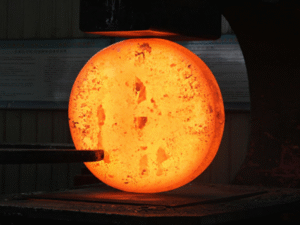
High-temperature alloy plates are essential materials in various industrial applications due to their exceptional properties that withstand extreme conditions. These plates are designed to maintain structural integrity and performance at elevated temperatures, making them indispensable in sectors such as aerospace, power generation, and chemical processing. The primary characteristic of high-temperature alloys is their ability to resist thermal creep and oxidation, which are common issues faced by materials exposed to high heat. This resistance is achieved through the inclusion of specific elements like nickel, chromium, and molybdenum, which enhance the material’s strength and durability. Additionally, these alloys exhibit excellent corrosion resistance, ensuring longevity even in harsh environments. In industrial settings, high-temperature alloy plates are commonly used in heat exchangers, turbine blades, and combustion chambers. Their application in heat exchangers is crucial as they facilitate efficient heat transfer while enduring continuous exposure to high temperatures and corrosive substances. Turbine blades, another critical component in power generation, benefit from the strength and thermal stability of these alloys, allowing them to operate at optimal performance levels without degrading. Furthermore, the use of high-temperature alloy plates in combustion chambers ensures that engines can withstand the extreme temperatures generated during combustion, thereby improving overall efficiency and safety. The manufacturing process of these plates involves advanced techniques such as casting, forging, and rolling, which contribute to their uniform composition and superior mechanical properties. Quality control measures are strictly implemented to ensure that each plate meets the required specifications for use in high-stress industrial applications. In conclusion, high-temperature alloy plates play a vital role in maintaining the functionality and longevity of critical industrial components. Their ability to withstand extreme temperatures and resist degradation makes them an indispensable material in modern industrial operations, driving advancements in efficiency and performance.

 Italian
  English
  German
  French
  Portuguese
  Japanese
  Russian
  Spanish
  Arabic
  Korean