
High-temperature alloy bars represent critical components in industries where extreme conditions are the norm. These specialized materials maintain their structural integrity and performance characteristics under thermal stress, making them indispensable for applications ranging from aerospace to energy production. The customized processing of these alloy bars transforms raw materials into precision-engineered components tailored to meet specific operational requirements.
The process begins with material selection based on the intended application environment. Different alloys offer varying levels of heat resistance, corrosion resistance, and mechanical properties. Once the appropriate alloy is selected, the raw bars undergo preliminary preparation including dimensional verification and surface inspection. This initial quality control step ensures that only materials meeting specifications proceed to further processing stages.
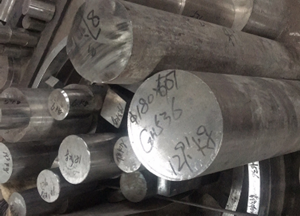
Machining represents a critical phase in the customization process. High-temperature alloys present unique challenges due to their strength and heat resistance. Specialized cutting tools and techniques are employed to achieve the required dimensions and surface finishes. The machining parameters must be carefully controlled to prevent work hardening and maintain material properties. Cooling systems play a vital role in managing heat generation during cutting operations.
Heat treatment follows machining to optimize the material’s microstructure and mechanical properties. Solution treatment, aging, and stress relief processes are commonly employed to enhance the alloy’s performance characteristics. The precise temperature profiles and cooling rates must be meticulously controlled to achieve the desired results. Post-treatment verification includes hardness testing and microstructural analysis to confirm compliance with specifications.
Forming processes such as forging or rolling may be incorporated to achieve specific mechanical properties or geometries. These deformation processes refine the grain structure and improve the material’s strength characteristics. The forming temperature and rate must be carefully controlled to prevent defects and ensure uniform properties throughout the component.
Surface treatment represents another critical aspect of customized processing. Protective coatings may be applied to enhance oxidation resistance or reduce friction. Surface finishing techniques improve dimensional accuracy and prepare the component for subsequent assembly or service. Each surface treatment must be compatible with the base material and designed to withstand the operational environment.
Quality control贯穿整个加工过程, with non-destructive testing methods employed to detect internal and surface defects. Ultrasonic testing, eddy current inspection, and dye penetrant examination verify material integrity. Dimensional measurements confirm compliance with design specifications. Documentation provides traceability and ensures that each component meets the required quality standards.
The applications of processed high-temperature alloy bars span multiple industries. In aerospace, they form critical components in turbine engines and airframe structures. The energy sector utilizes these materials in power generation equipment and processing facilities. Chemical processing plants depend on their corrosion resistance for handling aggressive substances. Each application presents unique requirements that drive the customization process.
The benefits of customized processing extend beyond meeting basic specifications. Tailored solutions optimize performance, extend service life, and enhance operational reliability. Custom processing allows for the integration of multiple functions into single components, reducing assembly complexity and potential failure points. The ability to modify material properties for specific loading conditions improves overall system efficiency.
Selecting a processing partner requires careful consideration of technical capabilities, quality systems, and industry experience. The processor should demonstrate expertise in handling high-temperature alloys and possess appropriate certifications. A comprehensive quality control system ensures consistent results and reliable performance. Effective communication between the customer and processor is essential to translate requirements into precise specifications.
As industrial demands continue to evolve, the customized processing of high-temperature alloy bars will remain critical for advancing technological capabilities. The ongoing development of new alloys and processing techniques will further enhance performance characteristics and expand application possibilities. Continuous improvement in processing methodologies ensures that these materials will continue to meet the increasingly demanding requirements of modern industrial applications.

 Italian
  English
  German
  French
  Portuguese
  Japanese
  Russian
  Spanish
  Arabic
  Korean