
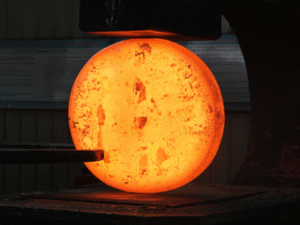
High-temperature alloy powder metallurgy is a specialized field that focuses on the production and utilization of high-performance alloys through powder-based manufacturing techniques. This process involves the creation of fine metallic powders, which are then compacted and sintered to form complex components with enhanced mechanical and thermal properties. The significance of high-temperature alloys lies in their ability to maintain structural integrity and functionality under extreme conditions, making them indispensable in various industrial applications. The process of producing high-temperature alloy powders begins with the selection of appropriate raw materials. These materials are typically composed of nickel, chromium, iron, and other elements that contribute to the alloy’s high-temperature resistance and strength. The powders are produced through methods such as mechanical alloying, gas atomization, or plasma rotating electrode melting, each offering distinct advantages in terms of particle size distribution, purity, and microstructure. Once the powders are prepared, they undergo a series of processing steps to form the desired components. Compaction is the initial step, where the powders are pressed into a specific shape using dies and punches. This stage is critical as it determines the green strength of the component, which is essential for subsequent sintering. The compacted parts are then sintered at high temperatures to achieve density and strength. Sintering involves heating the component in a controlled atmosphere to facilitate atomic diffusion and bond formation between particles. This process can be performed in vacuum or inert environments to prevent oxidation and contamination. After sintering, the components may undergo additional treatments such as hot isostatic pressing (HIP) or surface finishing to further enhance their properties. The applications of high-temperature alloy powder metallurgy are vast and span across multiple industries. In the aerospace sector, these alloys are used to manufacture engine components, turbine blades, and heat exchangers, which must withstand the extreme temperatures and pressures encountered during flight. The automotive industry also benefits from this technology, utilizing high-temperature alloys in exhaust systems and turbochargers to improve efficiency and durability. In addition, the energy sector employs these alloys in nuclear reactors and gas turbines, where their ability to resist corrosion and high temperatures is crucial. The advantages of high-temperature alloy powder metallurgy are numerous. One of the primary benefits is the ability to produce complex geometries with high precision, which is challenging with traditional manufacturing methods. The process also allows for the creation of alloys with tailored properties, enabling engineers to design components that meet specific performance requirements. Furthermore, powder metallurgy reduces material waste and production costs, making it an environmentally friendly and economically viable option. As technological advancements continue to evolve, the potential applications of high-temperature alloy powder metallurgy are expected to expand. Research efforts are focused on developing new合金 compositions and optimizing processing techniques to further enhance performance. The integration of additive manufacturing technologies, such as 3D printing, is also being explored to create even more intricate and customized components. In conclusion, high-temperature alloy powder metallurgy represents a cutting-edge approach to producing advanced materials for demanding applications. Its ability to deliver components with superior mechanical and thermal properties makes it a cornerstone of modern industrial manufacturing. With ongoing research and development, this technology is poised to play an increasingly significant role in shaping the future of various industries.

 Italian
  English
  German
  French
  Portuguese
  Japanese
  Russian
  Spanish
  Arabic
  Korean