
High-temperature alloys represent a critical class of materials engineered to maintain their structural integrity and functional properties under extreme thermal conditions. These materials have become indispensable in industries where components are subjected to elevated temperatures, such as aerospace, power generation, and automotive sectors. Precision casting techniques have revolutionized the production of complex components made from these advanced alloys, enabling manufacturers to achieve previously unattainable levels of performance and reliability.
The development of precision-cast high-temperature alloys addresses the growing demand for materials that can withstand increasingly harsh operating environments. Traditional manufacturing methods often limited the design possibilities and performance capabilities of high-temperature components. However, precision casting allows for the creation of intricate geometries with tight tolerances, ensuring optimal material utilization and component performance. This manufacturing approach is particularly valuable for producing turbine blades, combustion chambers, and other critical components that must operate efficiently under extreme conditions.
The composition of precision-cast high-temperature alloys typically includes nickel, cobalt, or iron as base elements, supplemented with various alloying elements such as chromium, aluminum, titanium, and refractory metals. These elements work synergistically to provide the necessary properties including high-temperature strength, oxidation resistance, creep resistance, and thermal fatigue resistance. The precise control of alloy composition during the casting process ensures consistent material properties across production batches, which is critical for applications where component failure could have severe consequences.
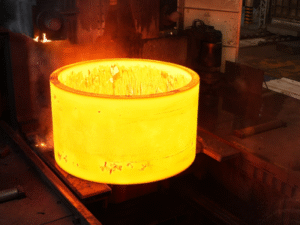
The manufacturing process for precision-cast high-temperature alloys involves several critical stages. First, the alloy is melted in vacuum induction furnaces to minimize contamination and ensure precise chemical composition. The molten metal is then poured into ceramic molds created through investment casting techniques. These molds are designed with intricate internal passages and cooling channels that would be impossible to achieve with conventional manufacturing methods. After solidification, the ceramic mold is removed through a combination of mechanical and chemical processes, revealing the as-cast component. Subsequent heat treatments are applied to optimize the microstructure and mechanical properties of the material.
One of the most significant advantages of precision casting for high-temperature alloys is the ability to produce complex net-shape components with minimal machining requirements. This not only reduces production costs but also eliminates the potential for defects that can be introduced during machining operations. Additionally, the process allows for the integration of features such as internal cooling channels, which are essential for enhancing the performance of turbine components in aerospace applications. The dimensional accuracy achievable through precision casting ensures proper fit and function within complex assemblies.
The performance characteristics of precision-cast high-temperature alloys make them ideal for applications in gas turbine engines, where temperatures can exceed 1000°C. These materials maintain their strength and resist deformation under sustained loading at elevated temperatures, which is essential for ensuring the longevity and reliability of critical components. Furthermore, the oxidation and hot corrosion resistance of these alloys extends their service life in harsh environments, reducing maintenance requirements and operational costs.
As technology advances, the demand for higher operating temperatures in energy and aerospace applications continues to grow. This trend drives ongoing research and development in precision-cast high-temperature alloys, with efforts focused on enhancing their performance capabilities while maintaining process efficiency. New alloy compositions, improved casting techniques, and advanced post-processing methods are being developed to meet the increasingly demanding requirements of next-generation applications.
In conclusion, precision-cast high-temperature alloys represent a critical enabling technology for industries that operate in extreme environments. The combination of advanced materials science and precision manufacturing techniques has resulted in components that offer superior performance, reliability, and longevity. As industrial applications continue to push the boundaries of temperature and stress conditions, precision-cast high-temperature alloys will play an increasingly vital role in enabling technological advancements across multiple sectors.

 Italian
  English
  German
  French
  Portuguese
  Japanese
  Russian
  Spanish
  Arabic
  Korean