
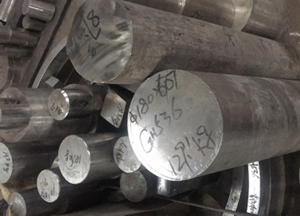
Lightweight titanium alloy components have become a critical element in the automotive industry, significantly enhancing vehicle performance. The use of titanium alloys in automotive applications offers numerous benefits, including high strength, low density, and excellent corrosion resistance. These properties make titanium alloys an ideal material for various automotive components, such as engine parts, suspension systems, and exhaust components. By reducing the overall weight of the vehicle, titanium alloy components contribute to improved fuel efficiency and reduced emissions, aligning with the growing demand for environmentally friendly vehicles. The high strength-to-weight ratio of titanium alloys ensures that these components can withstand extreme temperatures and pressures, thereby increasing the durability and reliability of the vehicle. Additionally, titanium alloys do not rust or corrode easily, which extends the lifespan of automotive parts and reduces maintenance costs. The automotive industry has seen significant advancements in the use of titanium alloys, particularly in the development of lightweight vehicles. These advancements have led to the creation of more efficient and powerful engines, as well as enhanced driving performance. The integration of titanium alloy components into vehicles has also improved safety features, as these parts are less prone to deformation under stress. As the industry continues to evolve, the demand for lightweight titanium alloy components is expected to rise, driven by the need for better fuel efficiency, reduced environmental impact, and increased vehicle performance. The future of automotive engineering lies in the continued innovation and application of advanced materials like titanium alloys, which will play a pivotal role in shaping the next generation of vehicles.

 French
  English
  German
  Portuguese
  Japanese
  Russian
  Italian
  Spanish
  Arabic
  Korean