
The reliability of high-temperature alloys is critical for numerous industrial applications, including aerospace, power generation, and chemical processing. When these materials fail, the consequences can be severe, ranging from costly downtime to catastrophic accidents. Understanding the root causes of high-temperature alloy failures and implementing effective solutions is essential for maintaining operational safety and efficiency. This article examines comprehensive approaches to addressing high-temperature alloy failures by targeting their fundamental causes.
High-temperature alloys often face several failure mechanisms that can compromise their integrity. Creep, a time-dependent deformation under constant stress at elevated temperatures, represents one of the most common failure modes. As materials are exposed to prolonged high-temperature conditions, they gradually lose their mechanical strength, leading to dimensional changes and eventual structural failure. Another significant failure mechanism is thermal fatigue, which occurs due to repeated heating and cooling cycles that create stress concentrations and microcracks. Oxidation and hot corrosion further degrade alloy surfaces, reducing their protective capabilities and accelerating material deterioration. 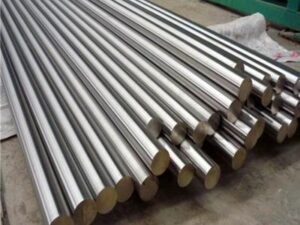
Effective root cause analysis begins with a systematic examination of failed components. Metallurgical examination techniques, including optical microscopy and scanning electron microscopy, reveal microstructural changes that contribute to failure. Fractography analysis identifies fracture patterns and helps distinguish between different failure mechanisms. Chemical composition verification ensures that the material meets specifications and hasn’t been contaminated during processing or service. Non-destructive testing methods, such as ultrasonic testing and X-ray radiography, detect internal defects that might not be visible externally.
Material selection forms the foundation of failure prevention. Engineers must carefully evaluate the specific operating conditions, including temperature range, stress levels, and environmental factors, when selecting appropriate alloys. The balance between high-temperature strength, oxidation resistance, and manufacturability requires careful consideration. For applications requiring exceptional creep resistance, nickel-based superalloys may be preferred, while cobalt-based alloys offer superior hot corrosion resistance in certain environments. The development of new alloy compositions continues to expand the performance envelope of high-temperature materials.
Design optimization plays a crucial role in preventing failures. Stress concentration areas, such as sharp corners and notches, should be minimized through proper geometric design. Thermal gradients that cause differential expansion can be reduced through insulation and cooling strategies. Finite element analysis allows engineers to predict thermal and mechanical stresses before component fabrication, enabling design modifications that enhance durability. Proper tolerancing and fit considerations prevent issues like binding and misalignment that could lead to premature failure.
Manufacturing process improvements directly impact component reliability. Melting and casting techniques must be carefully controlled to minimize defects like porosity and inclusions. Heat treatment processes, including solution treatment, aging, and stress relieving, must be precisely controlled to achieve the desired microstructure and mechanical properties. Machining parameters should be optimized to prevent work hardening and residual stresses that could compromise performance. Welding procedures must be carefully developed to avoid issues like hot cracking and excessive heat-affected zone degradation.
Operational practices significantly influence component lifespan. Proper startup and shutdown procedures minimize thermal shock that can cause cracking. Operating temperatures should remain within the designed limits to prevent excessive creep and oxidation. Regular inspection schedules enable early detection of degradation signs before catastrophic failure occurs. Environmental controls, such as filtration systems and gas composition management, reduce exposure to corrosive elements that accelerate degradation.
Quality control systems provide essential safeguards against material and manufacturing defects. Incoming material verification ensures compliance with specifications. In-process monitoring maintains consistency during manufacturing operations. Final inspection confirms component readiness for service. Documentation of material traceability, processing parameters, and inspection results creates a comprehensive record that supports failure analysis and continuous improvement efforts.
Case studies illustrate the effectiveness of comprehensive failure prevention approaches. In one aerospace application, turbine blade failures were traced to inadequate cooling design. By implementing improved cooling channels and thermal barrier coatings, component lifespan increased by 300%. In another case, petrochemical industry furnace failures were linked to improper material selection for specific operating conditions. Switching to a more appropriate alloy composition eliminated recurring failures and reduced maintenance costs by 40%.
Future trends in failure prevention focus on advanced monitoring and predictive maintenance. Real-time sensor networks provide continuous data on component condition, enabling proactive intervention. Machine learning algorithms analyze historical failure data to predict remaining useful life and optimize maintenance schedules. Additive manufacturing techniques enable the production of complex geometries with improved thermal management characteristics. Digital twins create virtual replicas of physical components for simulation and analysis under various operating conditions.
Addressing high-temperature alloy failures requires a multidisciplinary approach that considers material properties, design considerations, manufacturing processes, and operational practices. By systematically identifying root causes and implementing targeted solutions, engineers can significantly enhance component reliability and safety. Continuous improvement in failure prevention methodologies will remain essential as industrial applications push the boundaries of material performance under increasingly demanding conditions.

 French
  English
  German
  Portuguese
  Japanese
  Russian
  Italian
  Spanish
  Arabic
  Korean