
High-temperature alloys represent a critical class of materials used across various industries where components must withstand extreme conditions while maintaining structural integrity and performance characteristics. These specialized materials find applications in aerospace, energy generation, chemical processing, automotive, and numerous other demanding sectors.
The service life of high-temperature alloys is intrinsically linked to the environmental conditions in which they operate, making optimization of the usage environment a paramount consideration for engineers and material scientists alike. The relationship between environmental factors and material performance is complex, involving multiple variables that interact in ways that can either accelerate degradation or significantly extend functional lifespan. Understanding these relationships and implementing appropriate optimization strategies is essential for maximizing the return on investment in these expensive materials. The primary environmental factors affecting high-temperature alloys include temperature fluctuations, atmospheric composition, mechanical stress, and exposure to corrosive elements. Each of these factors contributes to material degradation through distinct mechanisms such as oxidation, creep, thermal fatigue, and corrosion. Temperature remains perhaps the most critical parameter, as it directly influences microstructural changes, phase transformations, and the rate of diffusion processes within the alloy. Even minor deviations from specified operating temperatures can precipitate accelerated degradation, particularly when combined with other environmental stressors.
The atmospheric composition surrounding high-temperature alloys significantly impacts their performance characteristics. Oxygen, in particular, plays a dual role by facilitating protective oxide layer formation while simultaneously promoting oxidation at elevated temperatures. Other atmospheric constituents such as sulfur, chlorine, and nitrogen compounds can lead to hot corrosion, carburization, or nitridation, depending on the specific alloy composition and operating conditions. Controlling atmospheric composition through inert gas purging, vacuum environments, or specialized coatings represents one of the most effective optimization strategies. Mechanical stress factors, including both applied loads and residual stresses from manufacturing processes, interact with environmental conditions to create complex stress states that can accelerate material failure. Creep deformation, characterized by time-dependent plastic deformation under constant stress, becomes increasingly pronounced at elevated temperatures and can lead to catastrophic component failure if not properly managed. Thermal cycling, another critical environmental factor, induces fatigue damage through repeated expansion and contraction cycles, particularly problematic in applications involving startup and shutdown procedures. Optimization strategies for high-temperature alloy usage environments begin with careful material selection based on specific operating conditions.
The alloy composition must be matched to the anticipated temperature range, atmospheric composition, and mechanical stress conditions to ensure optimal performance. Nickel-based superalloys, cobalt-based alloys, and specialized stainless steels each offer distinct advantages depending on the application requirements. Once appropriate materials have been selected, environmental control measures can be implemented to further enhance service life. Thermal management systems, including precise temperature control and uniform heating, minimize thermal gradients and reduce the likelihood of thermal fatigue. Protective atmospheres or coatings can shield the alloy surface from detrimental environmental interactions, while design modifications that reduce stress concentrations can extend component longevity. Monitoring systems play a crucial role in maintaining optimal usage environments. Regular inspection protocols, coupled with advanced non-destructive testing techniques, enable early detection of degradation mechanisms before they reach critical levels. Real-time monitoring of temperature, atmospheric composition, and mechanical loads allows for immediate intervention when parameters deviate from established operating envelopes. Predictive maintenance algorithms, utilizing machine learning and historical performance data, can forecast potential failures and schedule interventions proactively, further extending service life.
The implementation of proper handling and storage practices prior to component installation is equally important for maintaining material integrity. High-temperature alloys are susceptible to environmental damage even before entering service, requiring controlled storage conditions with appropriate protection against moisture, contamination, and mechanical damage. Surface preparation techniques, including cleaning and protective coating application, ensure that components enter service in optimal condition.
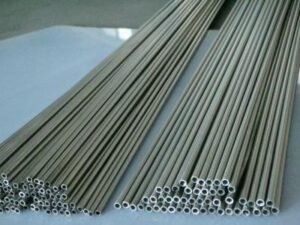
Post-installation, environmental optimization continues through operational practices that minimize stress on the material. Controlled startup and shutdown procedures reduce thermal shock, while operating within established parameter limits prevents excessive degradation. Regular maintenance schedules, including cleaning, inspection, and replacement of protective systems, ensure that the usage environment remains conducive to extended service life.
The economic benefits of environmental optimization are substantial. Extended service life directly translates to reduced replacement costs, decreased downtime, and improved operational efficiency. The initial investment in environmental control systems and monitoring infrastructure is typically recovered through extended component life and reduced maintenance requirements. Furthermore, optimized usage environments contribute to improved safety by reducing the likelihood of catastrophic failures caused by material degradation. Environmental optimization strategies must be tailored to specific applications, considering factors such as operating temperature ranges, atmospheric conditions, mechanical requirements, and economic constraints.
What works effectively in one application may be impractical or ineffective in another, necessitating a customized approach to each unique set of operating conditions. Research and development continue to advance the field of high-temperature alloy environmental optimization, with new materials, coatings, and monitoring technologies constantly emerging. Advanced computational modeling techniques enable more accurate prediction of material behavior under complex environmental conditions, while novel surface treatments offer enhanced protection against degradation mechanisms. As industries continue to push the boundaries of operating conditions, the importance of environmental optimization will only increase, driving further innovation in this critical field.

 Spanish
  English
  German
  French
  Portuguese
  Japanese
  Russian
  Italian
  Arabic
  Korean