High-temperature alloys play a critical role in various industrial applications, including aerospace, power generation, and chemical processing. These materials must withstand extreme conditions while maintaining their structural integrity and performance characteristics. Proper maintenance of high-temperature alloys is essential to ensure their longevity and reliability in demanding environments. The following practices can significantly extend the service life of these valuable materials. Regular cleaning forms the foundation of proper high-temperature alloy maintenance. These materials often accumulate contaminants such as scale, oxidation products, and foreign particles during operation. Cleaning should be performed using appropriate methods that do not damage the alloy surface. Mechanical techniques like abrasive blasting may be suitable for some applications, while chemical cleaning methods work well for others. The choice of cleaning method depends on the specific alloy composition and the nature of contaminants present. After cleaning, thorough rinsing is necessary to remove any residual cleaning agents that could cause corrosion or other forms of degradation when the alloy is exposed to high temperatures again. 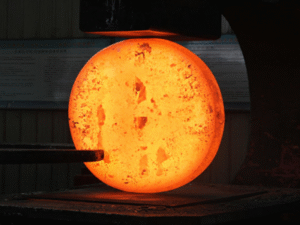 Inspection procedures should be implemented at regular intervals to identify potential issues before they become critical. Visual examination can reveal surface cracks, warping, or other visible defects that might compromise the alloy’s performance. Non-destructive testing methods such as ultrasonic testing, eddy current testing, and radiographic inspection can detect internal flaws that are not visible to the naked eye. Documentation of inspection results helps track the alloy’s condition over time and identifies patterns of degradation that may indicate the need for maintenance adjustments or component replacement. Heat treatment processes must be carefully controlled to maintain the optimal microstructure of high-temperature alloys. These materials often undergo specific heat treatments during manufacturing to develop their desired properties. When maintenance requires re-heating the alloy, following the recommended temperature cycles and cooling rates is crucial. Deviations from prescribed heat treatment parameters can result in undesirable phase transformations, precipitation of unwanted compounds, or changes in mechanical properties that reduce the alloy’s resistance to high-temperature degradation. Protective coatings provide an additional barrier against environmental factors that accelerate degradation. Thermal barrier coatings, for example, can reduce the operating temperature of the substrate alloy, thereby slowing down oxidation and other high-temperature degradation mechanisms. Diffusion coatings, such as aluminide or chromide coatings, form a protective layer that resists oxidation and hot corrosion. The selection of appropriate coating materials and application methods depends on the specific service conditions and the base alloy composition. Regular assessment of coating integrity is necessary to determine when reapplication or repair is required. Proper storage and handling practices prevent unnecessary damage to high-temperature alloys during periods of inactivity. Alloy components should be stored in a clean, dry environment with controlled humidity levels. Protective wrappings or coatings can be applied to prevent surface oxidation during storage. Handling procedures should minimize mechanical damage such as scratches, dents, or other surface defects that could initiate corrosion or crack formation when the alloy is returned to service. Transport of alloy components should use appropriate packaging and securing methods to prevent damage during movement. The maintenance of high-temperature alloys requires a systematic approach that considers all factors affecting their performance. Implementing these practices can significantly extend the service life of these materials while maintaining their reliability in demanding applications. Regular monitoring of maintenance effectiveness allows for continuous improvement of maintenance procedures based on actual performance data. The investment in proper maintenance yields substantial returns through reduced replacement costs, decreased downtime, and improved operational safety. As industrial processes continue to push the limits of material performance, the importance of proper high-temperature alloy maintenance will only increase.


 Spanish
  English
  German
  French
  Portuguese
  Japanese
  Russian
  Italian
  Arabic
  Korean