
High-temperature alloys represent a critical class of materials engineered to maintain exceptional mechanical properties and resistance to degradation under extreme thermal conditions. These materials find extensive applications in aerospace components, gas turbines, nuclear reactors, and chemical processing equipment where exposure to elevated temperatures is a standard operational requirement. The performance characteristics of these alloys are significantly influenced by the heat treatment and processing methodologies employed during their manufacturing cycle. 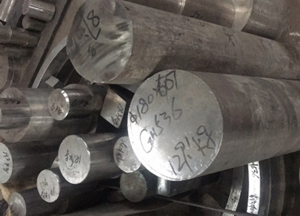
The heat treatment of high-temperature alloys involves carefully controlled thermal cycles designed to modify the alloy’s microstructure and optimize its properties for specific applications. Solution treatment, typically conducted at temperatures ranging from 1000°C to 1250°C, serves to dissolve secondary phases and homogenize the composition. This initial step is crucial for achieving the desired microstructural foundation before subsequent aging treatments. Following solution treatment, rapid cooling is often employed to retain the supersaturated solid solution structure, which provides the necessary precursor for precipitation hardening during the aging stage.
Aging treatment represents the second critical phase in the heat treatment process, conducted at temperatures generally between 700°C and 900°C. During this stage, controlled precipitation of strengthening phases occurs, significantly enhancing the alloy’s mechanical strength at elevated temperatures. The precise temperature and duration parameters must be meticulously controlled, as they directly influence the size, distribution, and volume fraction of precipitated phases. Over-aging can lead to excessive precipitate coarsening, resulting in diminished mechanical properties, while under-aging may fail to achieve optimal strengthening.
Processing techniques employed for high-temperature alloys include forging, rolling, extrusion, and casting, each with distinct advantages and limitations. Forging remains the predominant method for producing critical components due to its ability to refine the microstructure and enhance mechanical properties through controlled deformation. The thermomechanical processing parameters, including temperature, strain rate, and cooling rate, must be carefully optimized to achieve the desired balance between strength, ductility, and creep resistance.
The relationship between processing parameters and final properties is complex and requires sophisticated characterization techniques. Microstructural analysis using optical and electron microscopy provides essential insights into grain size, phase distribution, and precipitate characteristics. Mechanical testing conducted at both room temperature and service temperatures validates the material’s performance capabilities. Non-destructive evaluation methods play a vital role in quality assurance, detecting potential defects that could compromise component integrity under extreme operating conditions.
Advanced heat treatment schedules continue to evolve, incorporating multi-step aging processes and novel cooling techniques to further enhance alloy performance. The development of computational modeling tools enables more precise prediction of microstructural evolution and property development during processing. These advancements contribute to extending component service life, improving fuel efficiency in aerospace applications, and enabling operation in increasingly demanding environments. As material science progresses, the heat treatment and processing of high-temperature alloys will continue to play a pivotal role in advancing technological capabilities across multiple industries.

 Spanish
  English
  German
  French
  Portuguese
  Japanese
  Russian
  Italian
  Arabic
  Korean