
In the harsh environment of thermal power plants, the issue of flue gas corrosion is a long – standing headache. Flue gas, filled with various corrosive substances such as sulfur oxides, nitrogen oxides, and particulate matter, can cause severe damage to equipment over time. This is where high – temperature alloys come into play, and Dura Alloy stands out as a remarkable choice.
Thermal power plants operate under high temperatures and pressures. The flue gas generated during the combustion process contains a complex mixture of chemicals. When this hot and corrosive flue gas comes into contact with the internal surfaces of pipes, boilers, and other components, it initiates a series of chemical reactions that lead to corrosion. Traditional materials often struggle to withstand such extreme conditions. They may experience pitting, cracking, and thinning of the material, which not only reduces the efficiency of the equipment but also poses significant safety risks.
Dura Alloy, however, has unique properties that make it highly resistant to flue gas corrosion. Its composition is carefully engineered to form a stable protective layer on the surface when exposed to high – temperature flue gas. This layer acts as a barrier, preventing the corrosive substances in the flue gas from directly attacking the base metal. The alloy’s high – temperature stability is another key advantage. It can maintain its mechanical properties even at the elevated temperatures typically found in thermal power plants, ensuring long – term reliability.
One of the remarkable features of Dura Alloy is its adaptability. Different thermal power plants may have varying flue gas compositions depending on the type of fuel used, such as coal, natural gas, or oil. Dura Alloy can be customized to suit these different conditions. Whether the flue gas is rich in sulfur or has a high concentration of nitrogen oxides, Dura Alloy can be formulated to provide optimal corrosion resistance.
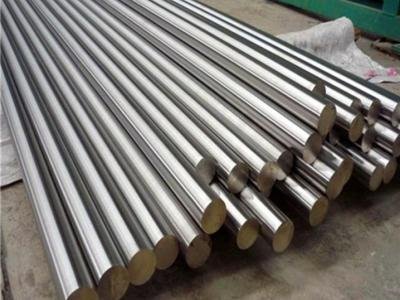
In addition to its corrosion – resistant properties, Dura Alloy also offers excellent weldability. This is crucial in the construction and maintenance of thermal power plant equipment. Welding is often required to assemble large – scale components, and a material that can be easily welded without sacrificing its corrosion – resistance is a great asset. With Dura Alloy, welds are strong and durable, further enhancing the overall integrity of the equipment.
The use of Dura Alloy in thermal power plants can lead to significant cost savings. By reducing the frequency of equipment replacement and maintenance, power plants can cut down on both material and labor costs. Moreover, the improved efficiency of the equipment due to reduced corrosion means less energy is wasted, resulting in lower operating costs.
Another aspect to consider is the environmental impact. When equipment in thermal power plants corrodes, it may lead to leaks and emissions of pollutants. The use of Dura Alloy helps to minimize these risks, contributing to a cleaner and more sustainable environment.
In conclusion, in the battle against flue gas corrosion in thermal power plants, Dura Alloy emerges as a top – notch solution. Its ability to withstand high temperatures, resist corrosion from complex flue gas compositions, offer good weldability, and bring about cost savings makes it an ideal choice for power plant operators. As the demand for reliable and efficient thermal power generation continues, Dura Alloy will undoubtedly play an increasingly important role in ensuring the smooth operation of these vital facilities.

 Spanish
  English
  German
  French
  Portuguese
  Japanese
  Russian
  Italian
  Arabic
  Korean