In the realm of industrial applications, high-temperature alloys are indispensable due to their exceptional performance under extreme conditions. However, the prohibitive cost of these materials often poses significant challenges for manufacturers aiming to optimize their operational budgets. This article delves into the exploration of viable alternatives to high-temperature alloys, focusing on achieving performance metrics comparable to those of lower-cost options. The primary objective is to identify materials that can withstand high temperatures while maintaining structural integrity and functional efficiency, thereby reducing expenses without compromising on quality. The investigation begins with an analysis of the properties that make high-temperature alloys desirable, such as their ability to resist thermal creep, oxidation, and corrosion. These characteristics are critical in industries like aerospace, automotive, and energy production, where components are subjected to intense thermal stress. Understanding these requirements is essential for evaluating potential substitutes. Several alternative materials have been considered in this context. Nickel-based superalloys, for instance, offer a balance between cost and performance, providing excellent high-temperature resistance at a lower price point than traditional high-temperature alloys. Titanium alloys are another promising option, known for their lightweight properties and strong corrosion resistance. Additionally, advanced composites, such as carbon-carbon and carbon-ceramic materials, have shown potential in high-temperature applications, particularly in environments where weight reduction is a priority. The selection of an appropriate alternative depends on various factors, including the specific operating conditions, mechanical loads, and environmental factors. For example, in applications where thermal conductivity is a critical parameter, materials like aluminum-based alloys may be more suitable. The process of evaluating these alternatives involves rigorous testing and analysis to ensure that the chosen material meets the necessary performance standards. This includes thermal shock testing, fatigue testing, and long-term durability assessments. Computational modeling and simulation techniques are also employed to predict the behavior of these materials under real-world conditions. The adoption of these alternatives can lead to substantial cost savings without compromising on performance. By optimizing material selection, manufacturers can enhance their competitive edge, reduce operational costs, and improve overall efficiency. Furthermore, the environmental benefits of using lower-cost materials cannot be overlooked. The production and disposal of high-temperature alloys often have a significant environmental footprint, whereas alternative materials may offer a more sustainable solution. In conclusion, the exploration of high-temperature alloy alternatives is a multifaceted endeavor that requires a thorough understanding of material properties, application requirements, and performance metrics. By carefully evaluating and implementing these alternatives, industries can achieve cost-effective solutions that meet the demanding conditions of modern applications. This approach not only enhances economic viability but also contributes to the development of more sustainable and environmentally friendly practices.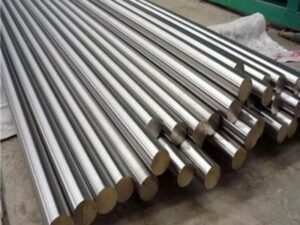


 Spanish
  English
  German
  French
  Portuguese
  Japanese
  Russian
  Italian
  Arabic
  Korean