
Iron-Based Superalloys: Properties, Applications, and Advantages
Iron-based superalloys represent a critical class of materials designed to excel in extreme environments characterized by high temperatures, pressures, and corrosive conditions. These alloys are composed primarily of iron, along with significant amounts of nickel, chromium, and other elements such as molybdenum, tungsten, and cobalt. The unique combination of these elements endows iron-based superalloys with exceptional mechanical strength, thermal stability, and resistance to oxidation and creep, making them indispensable in a variety of high-performance applications.
One of the most notable properties of iron-based superalloys is their high-temperature performance. Unlike conventional steels, these alloys can maintain their structural integrity and mechanical properties even when exposed to temperatures exceeding 1000 degrees Celsius. This characteristic is achieved through the addition of elements that form stable carbides and nitrides, which reinforce the alloy and prevent grain boundary embrittlement. The ability to retain strength at elevated temperatures makes iron-based superalloys ideal for use in engines and turbines where heat resistance is paramount.
In addition to their thermal stability, iron-based superalloys exhibit excellent corrosion resistance. The presence of chromium in these alloys promotes the formation of a protective oxide layer on the surface, which effectively shields the material from oxidative and acidic environments. This corrosion resistance is further enhanced by the addition of other elements such as molybdenum and tungsten, which improve the alloy’s ability to withstand aggressive chemical conditions. As a result, these superalloys are widely used in environments where materials are exposed to corrosive substances, such as chemical processing plants and marine applications.
Another significant advantage of iron-based superalloys is their mechanical strength at high temperatures. These alloys can sustain heavy loads and stresses without deforming or failing, which is crucial for components in aircraft engines and industrial turbines. The high strength-to-weight ratio of these materials allows for the design of more efficient and powerful machinery, as they can承受 greater forces while consuming less material. This property is particularly important in aerospace applications, where weight reduction directly translates to improved fuel efficiency and performance.
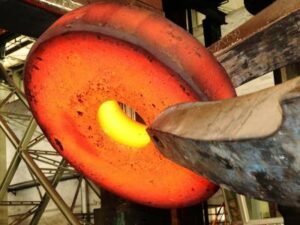
The applications of iron-based superalloys are diverse and span across multiple industries. In the aerospace sector, these alloys are used in the construction of jet engine components, including compressor blades, discs, and casings. Their ability to withstand the extreme conditions inside an engine makes them essential for ensuring reliable and safe flight operations. In the power generation industry, iron-based superalloys are employed in gas turbines used for electricity production, where their high-temperature resistance and durability are critical for maintaining operational efficiency.
Furthermore, iron-based superalloys find applications in the chemical and petrochemical industries, where they are used in reactors, heat exchangers, and pumps that operate under harsh conditions. The chemical resistance of these alloys ensures that they can withstand exposure to a wide range of corrosive substances without degrading, thus extending the lifespan of critical equipment and reducing maintenance costs. Additionally, their mechanical strength allows for the design of components that can handle high pressures and flows, making them suitable for use in pipelines and storage tanks.
In conclusion, iron-based superalloys are a vital material in modern engineering, offering a combination of properties that make them uniquely suited for high-performance applications. Their high-temperature stability, corrosion resistance, and mechanical strength are essential for industries that operate under extreme conditions. As technology advances, the demand for these alloys is expected to grow, driven by the need for more efficient and durable machinery in various sectors. The continued development and optimization of iron-based superalloys will play a crucial role in meeting the challenges of the future, enabling the design of innovative solutions that push the boundaries of what is possible in engineering and manufacturing.

 German
  English
  French
  Portuguese
  Japanese
  Russian
  Italian
  Spanish
  Arabic
  Korean