
High-temperature alloys represent a critical component in numerous industrial applications where materials must withstand extreme conditions while maintaining structural integrity and performance characteristics. These specialized materials find extensive use in aerospace, energy generation, chemical processing, and automotive industries, among others. Given the demanding environments in which they operate, ensuring the quality and reliability of these materials before implementation is not just recommended but essential for operational safety and cost-effectiveness. Sample testing provides a systematic approach to verify material properties and composition, offering buyers the confidence that their specifications will be met in actual service conditions.
The importance of high-temperature alloy testing cannot be overstated. These materials are often subjected to temperatures exceeding 1000°C, combined with mechanical stress, corrosive environments, and thermal cycling. Under such conditions, even minor deviations in composition or microstructure can lead to catastrophic failure, resulting in costly downtime, safety hazards, and significant financial losses. By conducting thorough sample testing prior to purchase, organizations can identify potential issues early in the procurement process, allowing for informed decisions that align with their specific application requirements.
Sample testing for high-temperature alloys typically encompasses several critical aspects. Chemical composition analysis forms the foundation of material verification, ensuring that the elemental percentages conform to the specified alloy grade. This involves techniques such as optical emission spectroscopy, X-ray fluorescence, and inductively coupled plasma mass spectrometry. Accurate composition verification is crucial, as even small variations in key elements can significantly affect material properties at elevated temperatures. For instance, nickel-based superalloys rely on precise ratios of nickel, chromium, cobalt, and various refractory elements to achieve their exceptional high-temperature strength and oxidation resistance.
Mechanical property testing provides additional insights into material performance under stress conditions. Tensile testing at elevated temperatures determines the material’s strength, ductility, and creep resistance, which are critical parameters for components subjected to mechanical loads in hot environments. Hardness testing offers a quick assessment of material strength and wear resistance, while impact testing evaluates the material’s toughness and susceptibility to brittle fracture. These mechanical tests are typically conducted at temperatures relevant to the intended application, ensuring that the material will perform as expected in its operating environment.
Thermal stability and oxidation resistance testing are particularly important for high-temperature alloys. These tests evaluate how the material behaves when exposed to prolonged high-temperature conditions, assessing potential phase changes, microstructural instability, and surface degradation. Thermogravimetric analysis can quantify oxidation rates, while metallographic examination can identify microstructural changes that may occur during service. Such testing is essential for predicting material longevity and performance in applications where components may be exposed to high temperatures for extended periods.
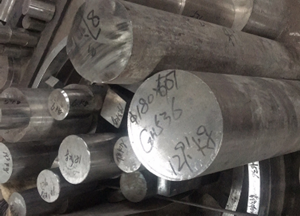
Microstructural examination provides valuable information about the material’s internal structure, including grain size, phase distribution, and precipitate formation. These characteristics significantly influence material properties and performance at elevated temperatures. Techniques such as optical microscopy, scanning electron microscopy, and transmission electron microscopy allow for detailed analysis of the microstructure, helping to identify potential issues that may affect material performance. For example, the presence of deleterious phases or abnormal grain growth can compromise material integrity and reduce service life.
Non-destructive testing (NDT) methods complement destructive testing by evaluating material integrity without causing damage to the sample. Techniques such as ultrasonic testing, radiographic testing, and eddy current testing can detect internal flaws, cracks, or inhomogeneities that may compromise material performance. While NDT cannot provide the same detailed information as destructive testing, it offers the advantage of testing actual components or larger sample sizes, providing a more comprehensive assessment of material quality.
The data obtained from sample testing should be carefully analyzed and compared against the material specifications and application requirements. Statistical analysis can help identify trends and variations that may not be apparent from individual test results. This information is invaluable for making informed purchasing decisions, as it provides an objective assessment of material quality and suitability for the intended application.
When selecting a testing laboratory, it is important to ensure that the facility has appropriate accreditation, qualified personnel, and well-maintained equipment. The testing protocol should be clearly defined, with attention to the specific requirements of the application. Testing standards such as ASTM, ISO, or other relevant specifications should be followed to ensure consistency and comparability of results.
The cost of sample testing should be considered as an investment rather than an expense. While testing adds to the initial procurement cost, it can prevent much higher costs associated with material failure, downtime, and potential safety hazards. The financial benefits of testing are particularly evident in critical applications where failure could result in significant economic or human losses.
In conclusion, high-temperature alloy sample testing is an essential component of the material procurement process. By conducting thorough testing before purchase, organizations can verify material quality, ensure compliance with specifications, and gain confidence in material performance under actual operating conditions. This systematic approach to material verification helps mitigate risks, optimize performance, and extend service life, ultimately providing greater peace of mind and value throughout the material’s lifecycle. As industrial applications continue to push materials to their limits, the importance of comprehensive sample testing will only increase, making it an indispensable practice for organizations that rely on high-temperature alloys for critical components and systems.

 German
  English
  French
  Portuguese
  Japanese
  Russian
  Italian
  Spanish
  Arabic
  Korean