
High-temperature alloys represent a critical class of materials that maintain their structural integrity and mechanical properties under extreme thermal conditions. The development of lightweight yet strong alloys has become increasingly important across various industries, particularly in aerospace, automotive, and energy sectors where weight reduction directly translates to improved efficiency and performance. The challenge lies in balancing the need for reduced mass with the requirement for exceptional strength, creep resistance, and thermal stability at elevated temperatures.
The lightweight characteristic of high-temperature alloys primarily stems from their base metal selection and overall composition. Nickel-based superalloys, for instance, incorporate elements such as aluminum, titanium, and tantalum to form gamma prime precipitates that enhance strength while maintaining relatively low density compared to traditional steel alloys. Titanium aluminides offer another approach to lightweight high-temperature applications, with densities approximately half that of nickel-based superalloys while maintaining adequate strength at temperatures up to 750°C. These materials achieve their favorable strength-to-weight ratios through careful control of their microstructure and phase composition.
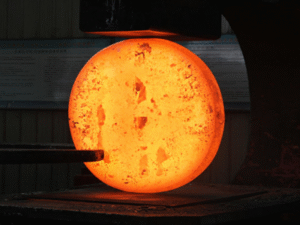
The strength characteristics of these alloys are achieved through several mechanisms. Solid solution strengthening occurs when alloying elements are dissolved in the base metal matrix, creating lattice distortions that impede dislocation movement. Precipitation strengthening, as mentioned earlier, involves the formation of fine, hard precipitates within the matrix that hinder dislocation motion. Additionally, grain boundary strengthening is achieved by controlling the grain size of the material, with finer grains providing more boundaries that act as barriers to dislocation movement.
The development of lightweight high-strength alloys requires careful consideration of multiple factors. The melting temperature of the base metal sets an upper limit for service temperature, while the density of constituent elements influences the overall weight of the final product. The coefficient of thermal expansion must be compatible with other materials in the system to minimize thermal stresses during temperature cycling. Furthermore, the alloy must maintain adequate oxidation and corrosion resistance at elevated temperatures, which often requires the addition of elements such as chromium, aluminum, and silicon to form protective surface layers.
Manufacturing processes play a crucial role in realizing the full potential of lightweight high-temperature alloys. Traditional casting techniques can produce components with complex geometries but may introduce porosity and segregation issues that compromise mechanical properties. Powder metallurgy offers an alternative approach, producing more homogeneous microstructures with reduced segregation. Additive manufacturing technologies, particularly electron beam melting and selective laser melting, enable the production of intricate lightweight components with excellent mechanical properties, though challenges remain in controlling microstructure and minimizing residual stresses.
Heat treatment represents another critical factor in optimizing the properties of lightweight high-temperature alloys. Solution treatment dissolves harmful phases and homogenizes the composition, followed by aging treatment that promotes the formation of strengthening precipitates. The precise control of temperature, time, and cooling rates during these processes is essential to achieve the desired balance of strength, ductility, and creep resistance. Some alloys require multiple aging cycles or specialized heat treatment schedules to maximize their performance characteristics.
The application of lightweight high-strength alloys spans numerous industries. In aerospace, these materials are used in turbine blades, combustor liners, and exhaust systems where weight reduction directly improves fuel efficiency and payload capacity. The automotive industry employs similar materials in turbochargers and exhaust components to enhance engine performance while meeting increasingly stringent emissions standards. In the energy sector, these alloys find applications in gas turbines, nuclear reactors, and concentrated solar power systems where they withstand extreme temperatures while maintaining structural integrity.
Recent advancements in alloy development have focused on further reducing density while maintaining or enhancing mechanical properties. Research has explored the addition of refractory elements such as niobium, molybdenum, and tungsten to improve high-temperature strength without significantly increasing density. Computational modeling and machine learning techniques have accelerated the discovery of novel alloy compositions by predicting phase stability and mechanical properties before experimental verification. These approaches have led to the development of next-generation alloys with improved performance characteristics.
Despite the progress made, challenges remain in the development and implementation of lightweight high-strength alloys. The cost of raw materials and manufacturing processes often limits their widespread adoption, particularly in cost-sensitive industries. The long-term stability of these alloys under extreme conditions requires extensive testing and validation, which can be time-consuming and expensive. Furthermore, the welding and joining of these materials present challenges due to their susceptibility to hot cracking and the formation of brittle phases in the heat-affected zone.
Future research directions include the development of nanocomposite structures that combine traditional alloys with nano-reinforcements to enhance strength without compromising lightweight characteristics. The exploration of additive manufacturing techniques promises to enable the production of complex geometries that optimize material distribution and minimize unnecessary weight. Additionally, the integration of in-situ monitoring systems could provide real-time data on component performance, enabling predictive maintenance and extending service life.
In conclusion, lightweight and high-strength characteristics of high-temperature alloys represent a critical area of materials science research with significant implications for multiple industries. The continued development of these materials will enable more efficient, durable, and high-performance systems across aerospace, automotive, and energy sectors. By addressing current challenges through advanced manufacturing techniques, computational modeling, and innovative alloy design, researchers are paving the way for the next generation of high-temperature materials that will meet the demanding requirements of future applications.

 German
  English
  French
  Portuguese
  Japanese
  Russian
  Italian
  Spanish
  Arabic
  Korean