
High-temperature alloys represent a specialized class of metallic materials engineered to perform reliably under extreme thermal conditions. These alloys contain significant proportions of elements such as nickel, cobalt, chromium, and various refractory metals that contribute to their exceptional properties at elevated temperatures. The question of whether high-temperature alloys rust requires careful consideration of their composition and operating environment.
Rust, technically defined as iron oxide, forms when iron reacts with oxygen in the presence of moisture. Most high-temperature alloys contain relatively low amounts of iron, with nickel-based superalloys being particularly iron-deficient. This fundamental compositional difference significantly alters their corrosion behavior compared to conventional steels. Instead of forming typical rust, these alloys develop protective oxide layers that adhere tightly to their surfaces.
The chromium content in high-temperature alloys plays a crucial role in their corrosion resistance. When exposed to oxygen at elevated temperatures, chromium forms a thin, adherent layer of chromium oxide that acts as a barrier against further oxidation. This self-healing characteristic allows the alloy to maintain its integrity even in oxidizing environments where conventional metals would rapidly degrade. The protective oxide layer continues to grow at a controlled rate, providing sustained protection without compromising the underlying material.
However, the corrosion resistance of high-temperature alloys is not absolute. In certain aggressive environments containing sulfur, chlorine, or other corrosive elements, even these advanced materials can experience degradation. The specific combination of temperature, atmosphere, and exposure duration determines the extent of corrosion. For instance, in environments containing sulfur compounds, nickel-based alloys may form sulfides that compromise their protective oxide layer, leading to accelerated degradation.
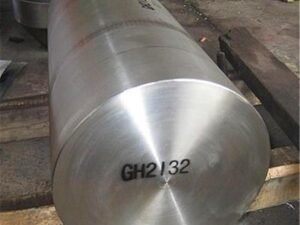
The performance of high-temperature alloys also depends on their microstructure. Different heat treatments and manufacturing processes can influence the distribution of alloying elements and the formation of precipitates, which in affect corrosion resistance. Some alloys develop protective alumina (aluminum oxide) layers instead of chromium oxide, providing enhanced protection in certain high-temperature oxidizing environments.
While high-temperature alloys exhibit superior resistance to oxidation compared to conventional metals, they are not entirely immune to corrosion mechanisms. Under specific conditions, particularly those involving thermal cycling or exposure to corrosive elements, these alloys can experience various forms of degradation including hot corrosion, oxidation, and carburization. The rate of degradation depends on multiple factors including temperature, exposure time, and the specific chemical environment.
Understanding the limitations of high-temperature alloys is essential for their proper application. Engineers must carefully consider the operating conditions when selecting the appropriate alloy grade. Factors such as maximum operating temperature, thermal cycling, exposure to specific chemicals, and required mechanical properties all influence the choice of material. Proper maintenance and periodic inspection further ensure the longevity of components fabricated from these advanced materials.

 German
  English
  French
  Portuguese
  Japanese
  Russian
  Italian
  Spanish
  Arabic
  Korean