Storing and transporting high-temperature alloys require strict adherence to specific precautions to ensure material integrity and safety. High-temperature alloys are engineered to withstand extreme conditions, making their handling and storage particularly sensitive to environmental factors. Proper precautions must be taken to prevent degradation, contamination, and other forms of damage that could compromise the material’s properties. The first critical aspect is the choice of storage environment. High-temperature alloys should be kept in a dry, cool place to minimize the risk of moisture-induced corrosion.
Humidity can significantly accelerate the degradation of these materials, especially when combined with elevated temperatures. It is essential to use desiccants or moisture barriers to maintain a low-humidity environment within storage containers. Temperature control is another vital consideration. While these alloys are designed to endure high temperatures, storing them in excessively hot or cold environments can still lead to material fatigue or other forms of damage. The ideal storage temperature should be within the manufacturer’s recommended range, typically a moderate temperature that does not fluctuate widely.
Protecting the alloys from direct sunlight and heat sources is also crucial, as prolonged exposure to UV rays and high temperatures can weaken the material. Additionally, the storage containers must be made of materials that are compatible with high-temperature alloys to avoid any chemical reactions that could alter the alloy’s properties. Materials such as inert gases or vacuum-sealed containers are often used to prevent oxidation and other forms of chemical degradation. When it comes to transportation, careful planning and execution are necessary to ensure the alloys reach their destination without damage.
The primary concern during transport is physical shock and vibration, which can cause cracks or other structural weaknesses in the material. Using rigid, shock-absorbing packaging materials can help mitigate these risks. It is also important to secure the alloys properly within the transport vehicle to prevent any movement that could lead to damage. Furthermore, the transport environment should be controlled to avoid exposure to extreme temperatures, humidity, or contaminants. Insulated containers or climate-controlled vehicles are often used to maintain a stable environment during transit. Special attention should be paid to the packaging materials used for transportation. Materials that are not compatible with high-temperature alloys can cause contamination or corrosion. For instance, certain plastics or metals may react with the alloy, leading to unwanted chemical changes.
Therefore, only inert materials that do not interact with the alloy should be used. In addition to environmental controls, proper handling procedures must be followed to prevent damage. Workers should be trained to handle high-temperature alloys with care, using gloves and other protective equipment to avoid direct contact. Dropping or mishandling the materials can result in significant damage, especially given their sensitivity to physical stress. Labeling and documentation are also critical during transportation. Clear markings should indicate the nature of the materials being transported, including any special handling instructions. This ensures that all parties involved in the transport process are aware of the precautions needed to protect the alloys. In conclusion, the storage and transportation of high-temperature alloys require meticulous attention to detail and adherence to specific precautions. By controlling environmental factors such as temperature and humidity, using compatible packaging materials, and following proper handling procedures, the integrity and performance of these alloys can be maintained. These measures are essential not only for preserving the material’s properties but also for ensuring safety during handling and transport. Ultimately, a comprehensive approach to storage and transportation can extend the lifespan of high-temperature alloys and ensure they perform optimally in their intended applications.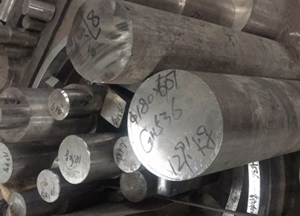


 Arabic
  English
  German
  French
  Portuguese
  Japanese
  Russian
  Italian
  Spanish
  Korean