
High-temperature alloys are specialized materials designed to maintain their mechanical properties under extreme thermal conditions. These alloys typically contain nickel, cobalt, iron, and various other elements that provide enhanced resistance to heat, corrosion, and creep. The food industry requires materials that can withstand high temperatures while maintaining hygiene standards and preventing contamination. This article examines whether high-temperature alloys can meet these demanding requirements.
The food processing industry involves numerous operations that generate significant heat, including baking, frying, sterilization, and pasteurization. Equipment used in these processes must maintain structural integrity at elevated temperatures while resisting degradation from food acids, salts, and cleaning agents. High-temperature alloys offer several potential advantages in these applications due to their inherent thermal stability and corrosion resistance.
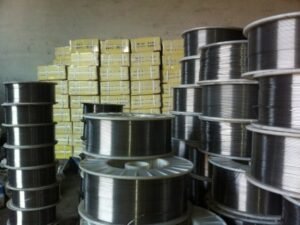
One of the primary considerations for food industry applications is material compatibility with food products. High-temperature alloys generally exhibit excellent resistance to corrosion from organic acids commonly found in food products, such as citric acid in fruits or lactic acid in dairy products. This resistance helps prevent metal leaching into food, which could affect taste, appearance, or nutritional value.
Specific applications within the food industry where high-temperature alloys have proven suitable include industrial ovens, heat exchangers, pasteurization equipment, and drying systems. These components often operate at temperatures exceeding 500°C, where conventional materials would rapidly degrade. The thermal stability of high-temperature alloys ensures consistent performance and extends equipment service life, reducing replacement frequency and associated costs.
Hygiene requirements represent another critical factor. Food processing equipment must be designed to prevent bacterial growth and facilitate thorough cleaning. High-temperature alloys can be manufactured with smooth, non-porous surfaces that minimize areas where bacteria might accumulate. Their corrosion resistance also allows for effective cleaning with aggressive sanitizing agents without material degradation.
Regulatory compliance is essential for any material used in food contact applications. Various international standards, such as those from the FDA and European Food Safety Authority, establish specific requirements for materials that contact food. High-temperature alloys formulated with appropriate compositions can meet these standards when properly manufactured and finished. The absence of harmful elements like lead, cadmium, or mercury in modern high-temperature alloy formulations makes them suitable for regulated food industry environments.
Despite these advantages, certain limitations should be considered. High-temperature alloys typically represent a significant investment compared to conventional materials. The initial cost may be prohibitive for some food processing operations, particularly smaller facilities. Additionally, specialized fabrication techniques may be required, potentially increasing manufacturing complexity and lead times.
Another consideration involves thermal conductivity. While high-temperature alloys excel at maintaining structural integrity at elevated temperatures, their thermal conductivity is generally lower than that of aluminum or copper. This property may require design modifications in applications where efficient heat transfer is essential.
The food industry’s specific requirements vary significantly based on the application. For high-temperature processes like baking or frying, the thermal stability of these alloys provides clear advantages. For lower-temperature applications, alternative materials might offer more cost-effective solutions. Material selection should therefore be based on a thorough assessment of operating conditions, hygiene requirements, and economic factors.
In conclusion, high-temperature alloys can indeed be used in various food industry applications where elevated temperatures and demanding operating conditions are present. Their thermal stability, corrosion resistance, and compliance with food safety standards make them suitable for numerous components in food processing equipment. While cost considerations may limit their widespread adoption, the performance benefits and extended service life they offer make them a valuable option for specialized food processing applications requiring reliable performance under extreme thermal conditions.

 Arabic
  English
  German
  French
  Portuguese
  Japanese
  Russian
  Italian
  Spanish
  Korean