Steam turbine blades represent critical components in power generation systems, converting thermal energy into mechanical energy with high efficiency. These blades operate under extreme conditions, experiencing temperatures exceeding 600°C, high rotational speeds, and significant mechanical stress. The performance and reliability of steam turbines depend heavily on the quality and characteristics of the blade materials used in their construction. 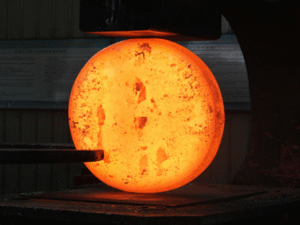 High-temperature alloy blades have become the standard choice for modern steam turbines due to their exceptional mechanical properties at elevated temperatures. These alloys maintain their strength, creep resistance, and oxidation resistance when exposed to the harsh operating environments inside steam turbines. The development of advanced high-temperature alloys has directly contributed to improvements in turbine efficiency, power output, and service life. The most commonly used high-temperature alloys for steam turbine blades include nickel-based superalloys, cobalt-based alloys, and iron-nickel-chromium alloys. Nickel-based superalloys are particularly favored for their excellent combination of high-temperature strength, oxidation resistance, and microstructural stability. These alloys typically contain significant amounts of chromium for oxidation resistance, aluminum for surface protection, and various refractory elements like molybdenum, tungsten, and rhenium for solid solution strengthening and precipitation hardening. The manufacturing process for high-temperature alloy blades involves several critical steps. The production begins with the melting and refining of the alloy to achieve the desired chemical composition. This is followed by casting processes such as investment casting or directional solidification to produce the blade blanks. The blades then undergo extensive hot working operations including forging, rolling, and extrusion to refine the grain structure and improve mechanical properties. Heat treatment processes are applied to optimize the microstructure and achieve the required mechanical properties. Finally, precision machining and surface treatment are performed to achieve the exact dimensional tolerances and surface finish required for turbine operation. The application of high-temperature alloy blades spans various industries including power generation, oil and gas processing, aerospace propulsion, and marine propulsion. In power generation, these blades are used in both fossil fuel and nuclear power plants to drive electrical generators. The efficiency improvements made possible by advanced blade materials contribute directly to reduced fuel consumption and lower emissions. In the oil and gas industry, steam turbines equipped with high-temperature alloy blades are used for compression and pumping operations in harsh environments.
 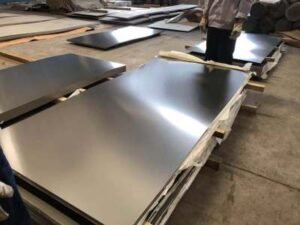 The development of high-temperature alloy blades continues to evolve with ongoing research focused on improving temperature capability, reducing weight, and extending service life. New alloy compositions, advanced processing techniques, and innovative cooling designs are being explored to push the boundaries of turbine performance. Additive manufacturing technologies are also being investigated for producing complex blade geometries that were previously impossible to manufacture using conventional methods. In conclusion, high-temperature alloy blades play a critical role in the performance and reliability of steam turbines across various industries. The continuous advancement of these materials and manufacturing processes contributes to improved efficiency, reduced environmental impact, and lower operating costs. As energy demands increase and environmental regulations become more stringent, the development of advanced high-temperature alloy blades will remain a key focus area for turbine manufacturers and researchers.


 Arabic
  English
  German
  French
  Portuguese
  Japanese
  Russian
  Italian
  Spanish
  Korean