High-temperature alloys represent a critical class of materials used in extreme conditions where conventional metals would fail. These alloys, primarily composed of nickel, cobalt, iron, and various alloying elements, exhibit exceptional mechanical properties at elevated temperatures, making them indispensable in aerospace, power generation, and chemical processing industries. The processing of these materials presents significant challenges, particularly during the grinding and polishing stages, which are essential for achieving the required surface finish and dimensional accuracy. 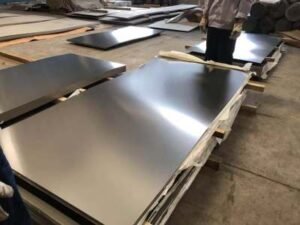 The grinding process for high-temperature alloys requires careful consideration of multiple factors. These materials possess high strength, low thermal conductivity, and strong work hardening tendencies, which contribute to rapid tool wear and thermal damage during conventional grinding operations. Effective grinding strategies must address these challenges through optimized wheel selection, proper machine parameters, and advanced cooling techniques. Cubic boron nitride (CBN) and diamond wheels have proven particularly effective due to their superior hardness and thermal stability when processing these difficult-to-machine materials. The selection of appropriate wheel specifications, including grit size, concentration, and bond type, directly influences both the grinding efficiency and the quality of the finished surface. Surface integrity remains a paramount concern in high-temperature alloy processing. Residual stresses, microstructural alterations, and surface defects introduced during grinding can significantly compromise the performance and service life of components. Therefore, process optimization must focus on minimizing thermal damage while maintaining efficient material removal rates. This balance is achieved through precise control of cutting parameters, including wheel speed, feed rate, and depth of cut, as well as implementing effective cooling systems to dissipate heat generated during the grinding process. Polishing represents the final critical stage in high-temperature alloy processing, where surface roughness is reduced to microscopic levels while preserving the integrity of the underlying material. Traditional polishing methods often struggle with these alloys due to their high hardness and abrasiveness. Advanced techniques such as electrochemical polishing, chemical-mechanical polishing (CMP), and abrasive flow machining have emerged as effective alternatives for achieving superior surface finishes. Each method offers distinct advantages depending on the specific application requirements and the desired surface characteristics. The evolution of grinding and polishing technologies continues to address the growing demands placed on high-temperature alloy components. With increasing operating temperatures and more aggressive service environments, the need for precise, reliable processing methods has never been greater. Research efforts focus on developing novel abrasive materials, optimizing process parameters through advanced monitoring systems, and integrating automation to enhance consistency and repeatability. These advancements ensure that high-temperature alloy components can meet the stringent performance requirements demanded by modern engineering applications.


 Arabic
  English
  German
  French
  Portuguese
  Japanese
  Russian
  Italian
  Spanish
  Korean