
The hardness of high-temperature alloys represents a critical mechanical property that determines their suitability for extreme industrial applications. These specialized materials, designed to maintain structural integrity under elevated temperatures, exhibit varying hardness values depending on their composition, microstructure, and processing methods. High-temperature alloys typically possess hardness ranging from 150 to 450 HV (Vickers hardness), with nickel-based superalloys often showing higher values compared to iron-based or cobalt-based counterparts. The hardness measurement of these alloys follows standardized testing procedures such as Rockwell, Vickers, or Brinell methods, with particular attention given to testing conditions that simulate service environments. 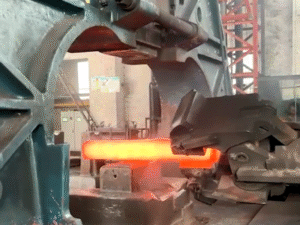
The hardness characteristics of high-temperature alloys are influenced by multiple factors including alloying elements like chromium, cobalt, tungsten, and molybdenum, which form solid solution strengthening phases and precipitate hardening constituents. Heat treatment processes significantly affect the final hardness, with solution treatment, aging, and precipitation heat treatments commonly employed to achieve optimal mechanical properties. The presence of carbide phases such as MC, M23C6, and M6C contributes substantially to the overall hardness through dispersion strengthening mechanisms. Grain size control also plays a crucial role, as finer grain structures generally result in increased hardness according to the Hall-Petch relationship.
Temperature presents a unique challenge when evaluating high-temperature alloy hardness. Unlike conventional materials, these alloys experience significant changes in mechanical properties as temperature increases. Most high-temperature alloys maintain acceptable hardness levels up to 70-80% of their melting points, with some advanced superalloys retaining useful hardness at temperatures exceeding 1000°C. This temperature-dependent behavior necessitates specialized testing protocols that account for thermal effects on material response. Creep resistance, closely related to hardness at elevated temperatures, becomes a critical parameter for long-term applications in gas turbines, nuclear reactors, and aerospace components.
The practical significance of hardness in high-temperature alloys cannot be overstated. In turbine blade applications, adequate hardness ensures resistance to erosion from particulate matter and maintains dimensional stability under thermal cycling. For petrochemical processing equipment, hardness correlates with resistance to sulfidation and other high-temperature corrosion mechanisms. Material selection engineers must balance hardness requirements with other critical properties such as fracture toughness, thermal fatigue resistance, and environmental compatibility. Advanced manufacturing techniques like powder metallurgy and directional solidification have been developed to optimize the hardness-performance relationship in demanding applications.
Standardized testing protocols for high-temperature alloy hardness include ISO 6506, ASTM E384, and ASTM E10, which specify conditions for accurate measurement. Microhardness testing becomes particularly valuable for evaluating localized hardness variations in different microstructural constituents. The correlation between hardness and other mechanical properties allows for predictive modeling of alloy performance without extensive testing. However, direct conversion between hardness values and tensile strength requires consideration of alloy composition and microstructure, as established in various material standards and handbooks.

 Arabic
  English
  German
  French
  Portuguese
  Japanese
  Russian
  Italian
  Spanish
  Korean