
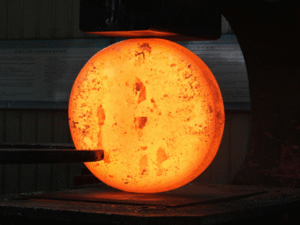
High-temperature alloys represent a critical class of materials indispensable for the construction and operation of aerospace vehicles. These alloys are engineered to withstand extreme temperatures, often exceeding 1000 degrees Celsius, while maintaining structural integrity and performance. The demanding conditions encountered in aerospace applications, such as high-speed flight and exposure to intense heat from atmospheric reentry, necessitate the use of materials with exceptional thermal and mechanical properties. One of the primary advantages of high-temperature alloys is their ability to resist creep, a phenomenon where materials deform under sustained stress at elevated temperatures. This resistance is crucial for components like engine turbines and combustion chambers, which are subjected to constant thermal stress during flight. Additionally, these alloys exhibit high strength and durability, ensuring that aerospace vehicles can operate reliably over extended periods. The development of high-temperature alloys has been driven by the need to enhance engine efficiency and performance. By enabling higher operating temperatures, these materials allow for more powerful and fuel-efficient engines, thereby reducing emissions and improving overall aircraft performance. The composition of high-temperature alloys typically includes nickel, chromium, and iron, with the addition of other elements such as cobalt, molybdenum, and tungsten to further enhance their properties. These elements contribute to the alloys’ ability to maintain strength and resist oxidation at high temperatures. The production of high-temperature alloys involves sophisticated manufacturing processes, including casting, forging, and heat treatment, to achieve the desired microstructure and properties. Advanced techniques such as powder metallurgy and additive manufacturing are also employed to produce complex shapes and optimize material performance. The application of high-temperature alloys extends beyond engine components to other critical parts of aerospace vehicles, such as landing gear and structural elements. These components must withstand extreme conditions, including thermal shock and mechanical stress, making high-temperature alloys an ideal choice. In recent years, research has focused on developing new high-temperature alloys with improved properties, such as enhanced corrosion resistance and reduced density. These advancements aim to further increase the efficiency and performance of aerospace vehicles while reducing weight and operational costs. The importance of high-temperature alloys in the aerospace industry cannot be overstated. They are the essential materials that enable the design and operation of aircraft capable of withstanding the most challenging conditions. As the industry continues to evolve, the demand for high-temperature alloys with superior properties will only increase, driving further innovation and development in this field.

 Arabic
  English
  German
  French
  Portuguese
  Japanese
  Russian
  Italian
  Spanish
  Korean